

Trump Administration Asks Supreme Court to End Protections for Haitian Immigrants
#Trump administration #Supreme Court #Haitian immigrants #Temporary Protected Status #TPS #immigration protections #legal challenge
📌 Key Takeaways
- The Trump administration has requested the Supreme Court to terminate protections for Haitian immigrants.
- This legal action aims to end Temporary Protected Status (TPS) for Haitians.
- The move could affect thousands of Haitian immigrants residing in the U.S.
- The case highlights ongoing debates over immigration policy and humanitarian protections.
📖 Full Retelling
🏷️ Themes
Immigration Policy, Legal Action
📚 Related People & Topics
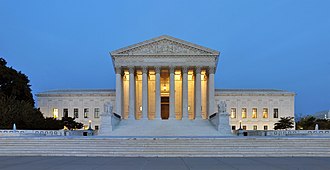
Supreme court
Highest court in a jurisdiction
In most legal jurisdictions, a supreme court, also known as a court of last resort, apex court, high (or final) court of appeal, and court of final appeal, is the highest court within the hierarchy of courts. Broadly speaking, the decisions of a supreme court are binding on all other courts in a nat...
Temporary protected status
Temporary status for eligible nationals who reside in the United States
Temporary protected status (TPS) is given by the United States government to eligible nationals of designated countries, as determined by the Secretary of Homeland Security, who are present in the United States. In general, the Secretary of Homeland Security may grant temporary protected status to p...
Presidency of Donald Trump
Index of articles associated with the same name
Presidency of Donald Trump may refer to:
Entity Intersection Graph
Connections for Supreme court:
Mentioned Entities
Deep Analysis
Why It Matters
This news is important because it directly affects the legal status and safety of approximately 55,000 Haitian immigrants in the U.S., potentially forcing them to return to a country still recovering from natural disasters and political instability. It reflects the Trump administration's broader efforts to restrict immigration and dismantle humanitarian protections, impacting families, communities, and U.S. immigration policy. The Supreme Court's decision could set a precedent for other temporary protected status (TPS) programs, influencing future immigration debates and humanitarian responses.
Context & Background
- Temporary Protected Status (TPS) is a U.S. immigration program that allows nationals from designated countries facing armed conflict, natural disasters, or other extraordinary conditions to live and work legally in the U.S. temporarily.
- Haiti was designated for TPS in 2010 after a devastating earthquake that killed hundreds of thousands and caused widespread destruction, with extensions granted due to subsequent crises like Hurricane Matthew in 2016 and ongoing political turmoil.
- The Trump administration has sought to end TPS for several countries, including Haiti, El Salvador, and Honduras, arguing conditions have improved enough for safe return, though critics cite ongoing humanitarian concerns and legal challenges.
What Happens Next
The Supreme Court will review the administration's request, with a decision likely in 2024, potentially upholding or blocking the termination of TPS for Haitians. If TPS ends, beneficiaries may face deportation or need to seek other immigration relief, while Congress could intervene with legislative solutions, such as a path to permanent residency. Legal battles may continue in lower courts, and the outcome could influence pending TPS cases for other nationalities.
Frequently Asked Questions
TPS is a U.S. immigration status granted to nationals of designated countries experiencing severe crises, allowing them to live and work legally in the U.S. without fear of deportation. It is temporary and must be renewed periodically by the government based on conditions in the home country.
The administration argues that conditions in Haiti have improved sufficiently since the 2010 earthquake, making it safe for return, and aims to enforce stricter immigration limits. Critics counter that Haiti still faces poverty, political instability, and natural disasters, posing risks to returnees.
Approximately 55,000 Haitian immigrants in the U.S. hold TPS, along with thousands of their U.S.-born children. Ending TPS could disrupt families and communities, forcing beneficiaries to leave or seek alternative legal status.
If the Court rules to end TPS, beneficiaries may lose legal status, face deportation, or need to apply for other immigration options. The decision could also prompt congressional action or further legal appeals to protect affected individuals.
Yes, the Trump administration has moved to terminate TPS for several countries, including El Salvador and Honduras, with similar legal challenges. A Supreme Court ruling on Haiti could influence outcomes for these cases and future TPS designations.