
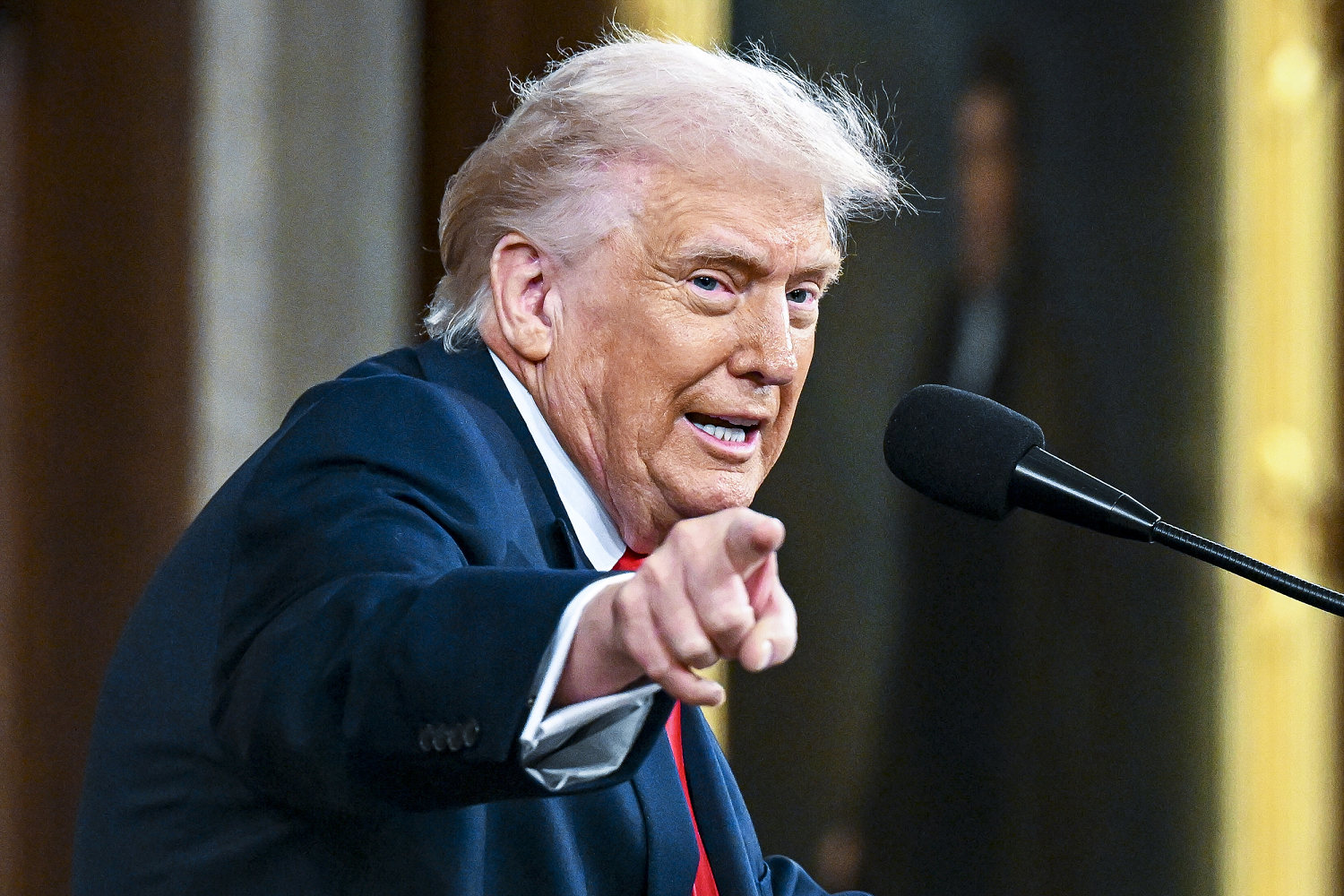
Trump again threatens Iran's infrastructure ahead of his latest Strait of Hormuz deadline
#Trump #Iran #Strait of Hormuz #infrastructure #deadline #threats #U.S.-Iran relations
📌 Key Takeaways
- President Trump reiterates threats to target Iran's infrastructure if tensions escalate.
- The warning is issued ahead of a new deadline concerning the Strait of Hormuz.
- This continues a pattern of heightened rhetoric between the U.S. and Iran.
- The situation raises concerns about potential military conflict in the region.
📖 Full Retelling
🏷️ Themes
Geopolitical Tensions, Military Threats
📚 Related People & Topics

Iran
Country in West Asia
# Iran **Iran**, officially the **Islamic Republic of Iran** and historically known as **Persia**, is a sovereign country situated in West Asia. It is a major regional power, ranking as the 17th-largest country in the world by both land area and population. Combining a rich historical legacy with a...

Strait of Hormuz
Strait between the Gulf of Oman and the Persian Gulf
The Strait of Hormuz ( Persian: تنگهٔ هُرمُز Tangeh-ye Hormoz , Arabic: مَضيق هُرمُز Maḍīq Hurmuz) is a strait between the Persian Gulf and the Gulf of Oman. It provides the only sea passage from the Persian Gulf to the open ocean and is one of the world's most strategically important choke points. ...

Donald Trump
President of the United States (2017–2021; since 2025)
Donald John Trump (born June 14, 1946) is an American politician, media personality, and businessman who is the 47th president of the United States. A member of the Republican Party, he served as the 45th president from 2017 to 2021. Born into a wealthy New York City family, Trump graduated from the...
Entity Intersection Graph
Connections for Iran:
Mentioned Entities
Deep Analysis
Why It Matters
This news matters because it signals escalating tensions between the U.S. and Iran, which could disrupt global oil supplies through the critical Strait of Hormuz. Approximately 20% of the world's oil passes through this narrow waterway, meaning any conflict there would spike oil prices and affect economies worldwide. The threats also increase the risk of military confrontation that could draw in regional allies and destabilize the Middle East further.
Context & Background
- The Strait of Hormuz is a narrow choke point between the Persian Gulf and the Gulf of Oman, through which about one-fifth of global oil supply flows daily.
- U.S.-Iran tensions have been high since 2018 when the Trump administration withdrew from the 2015 nuclear deal (JCPOA) and reimposed sanctions on Iran.
- Iran has previously threatened to close the Strait of Hormuz in response to U.S. sanctions, and has seized foreign tankers in the area.
- The U.S. has increased military presence in the region, including deploying aircraft carriers and bombers, to counter perceived Iranian threats.
What Happens Next
If Iran does not meet Trump's deadline, the U.S. may impose additional sanctions or take military action against Iranian infrastructure. Iran could respond with asymmetric tactics like mining the strait, harassing commercial shipping, or cyberattacks. Oil markets will likely react with volatility, and regional powers like Saudi Arabia and Israel may increase their defensive postures.
Frequently Asked Questions
The Strait of Hormuz is a critical global oil transit route, with about 20% of the world's oil supply passing through it daily. Closure or disruption would spike oil prices and impact economies worldwide, making it a strategic flashpoint in U.S.-Iran tensions.
While the article doesn't specify the exact deadline, it refers to Trump's latest ultimatum, likely related to demands for Iran to cease nuclear activities or regional aggression. Past deadlines have involved sanctions waivers or nuclear deal compliance.
Iran has historically responded with threats to close the Strait of Hormuz, increased military drills in the area, and asymmetric actions like seizing tankers. It also escalates uranium enrichment in defiance of U.S. pressure.
Military conflict could disrupt global oil supplies, spike energy prices, and draw in regional allies like Saudi Arabia or Israel. It might also lead to broader instability in the Middle East and impact international shipping security.