

Trump asks Supreme Court for OK to cancel deportation amnesty for 350,000 Haitians
#Trump #Supreme Court #deportation #TPS #Haitians #amnesty #immigration
📌 Key Takeaways
- Trump administration seeks Supreme Court approval to end deportation amnesty for 350,000 Haitians
- The move targets Temporary Protected Status (TPS) granted to Haitian nationals
- Legal battle centers on executive authority to terminate humanitarian protections
- Decision could impact broader immigration policies and TPS for other nationalities
📖 Full Retelling
🏷️ Themes
Immigration Policy, Legal Challenge
📚 Related People & Topics
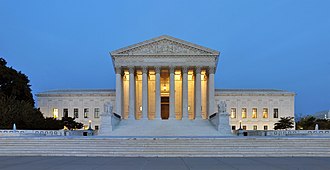
Supreme court
Highest court in a jurisdiction
In most legal jurisdictions, a supreme court, also known as a court of last resort, apex court, high (or final) court of appeal, and court of final appeal, is the highest court within the hierarchy of courts. Broadly speaking, the decisions of a supreme court are binding on all other courts in a nat...
Entity Intersection Graph
Connections for Supreme court:
Mentioned Entities
Deep Analysis
Why It Matters
This news matters because it directly affects the legal status and potential deportation of 350,000 Haitian immigrants who have been living in the U.S. under Temporary Protected Status (TPS). The Supreme Court's decision could determine whether these individuals can remain in the country or face removal to Haiti, which is currently experiencing severe political instability, gang violence, and humanitarian crises. This case has significant implications for immigration policy, family separations, and the legal authority of presidential administrations to grant or revoke humanitarian protections.
Context & Background
- Temporary Protected Status (TPS) is a U.S. immigration program that allows nationals from designated countries facing armed conflict, natural disasters, or other extraordinary conditions to live and work legally in the United States temporarily.
- Haiti was designated for TPS in 2010 following a devastating earthquake that killed over 200,000 people and caused widespread destruction, with the status being extended multiple times by both Democratic and Republican administrations.
- The Trump administration attempted to terminate TPS for several countries including Haiti in 2017-2018, arguing conditions had improved sufficiently, but faced multiple legal challenges that blocked implementation.
- Haiti has experienced escalating violence and political instability since the 2021 assassination of President Jovenel Moïse, with gangs controlling much of the capital and basic services collapsing, leading the Biden administration to extend TPS protections.
What Happens Next
The Supreme Court will decide whether to hear the case, likely within the next few months. If they take the case, arguments would be scheduled for the 2024-2025 term with a decision expected by June 2025. Depending on the Court's ruling, either the termination of TPS for Haitians would proceed, potentially triggering mass deportations, or the program would continue under current protections. The decision could also establish precedent affecting TPS for other nationalities including Salvadorans, Hondurans, and Sudanese.
Frequently Asked Questions
TPS is a temporary immigration status granted to nationals of designated countries experiencing extraordinary conditions like natural disasters, armed conflict, or other crises. It allows recipients to live and work legally in the U.S. without fear of deportation while conditions in their home country remain dangerous.
The Trump administration argued that conditions in Haiti had improved sufficiently since the 2010 earthquake to no longer warrant temporary protection. They contended that TPS was meant to be truly temporary and that extending it indefinitely created a permanent immigration program Congress never authorized.
If termination proceeds, approximately 350,000 Haitian TPS recipients would lose their legal status and work authorization, becoming subject to deportation. Many have lived in the U.S. for over a decade, established families, businesses, and community ties, making removal particularly disruptive.
This legal challenge comes amid Haiti's worst crisis in decades, with gangs controlling 80% of the capital, widespread hunger, cholera outbreaks, and political paralysis. Humanitarian organizations and the Biden administration argue current conditions make returns to Haiti unsafe and inhumane.
Yes, Congress could pass legislation granting permanent residency or citizenship to TPS holders, but such measures have repeatedly failed despite bipartisan support. The American Dream and Promise Act of 2021, which would have created a pathway to citizenship for TPS recipients, passed the House but stalled in the Senate.