

Trump chides Supreme Court, says it hasn’t had ‘guts to do what’s right’
#Trump #Supreme Court #criticism #judiciary #political agenda #rulings #pressure
📌 Key Takeaways
- Trump criticizes the Supreme Court for lacking courage to make what he views as correct decisions.
- He implies the Court has failed to act on matters important to his political agenda.
- The statement reflects ongoing tension between Trump and the judiciary.
- It suggests Trump is attempting to pressure the Court ahead of potential rulings affecting him.
📖 Full Retelling
🏷️ Themes
Judicial criticism, Political pressure
📚 Related People & Topics
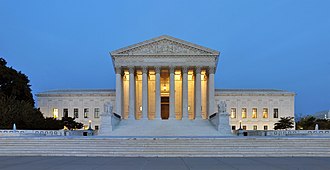
Supreme court
Highest court in a jurisdiction
In most legal jurisdictions, a supreme court, also known as a court of last resort, apex court, high (or final) court of appeal, and court of final appeal, is the highest court within the hierarchy of courts. Broadly speaking, the decisions of a supreme court are binding on all other courts in a nat...

Donald Trump
President of the United States (2017–2021; since 2025)
Donald John Trump (born June 14, 1946) is an American politician, media personality, and businessman who is the 47th president of the United States. A member of the Republican Party, he served as the 45th president from 2017 to 2021. Born into a wealthy New York City family, Trump graduated from the...
Entity Intersection Graph
Connections for Supreme court:
Mentioned Entities
Deep Analysis
Why It Matters
This statement matters because it represents a former president publicly criticizing the highest court in the United States, which could undermine public confidence in judicial independence. It affects the Supreme Court's perceived legitimacy, political discourse around judicial decisions, and sets a precedent for how political figures interact with the judiciary. The comments are particularly significant given Trump's ongoing legal challenges and the Court's recent rulings on presidential immunity and election-related cases.
Context & Background
- Donald Trump appointed three Supreme Court justices during his presidency (Neil Gorsuch, Brett Kavanaugh, Amy Coney Barrett), giving the Court a 6-3 conservative majority.
- The Supreme Court recently ruled 6-3 that presidents have absolute immunity for official acts, a decision that directly benefited Trump in his federal election interference case.
- Trump has frequently criticized judges and courts throughout his political career, including calling judges 'so-called judges' and questioning the legitimacy of rulings against him.
- The Supreme Court has faced increased scrutiny and declining public approval in recent years, with critics questioning its political independence.
- Trump is currently the presumptive Republican presidential nominee facing multiple criminal cases that could potentially reach the Supreme Court.
What Happens Next
The Supreme Court will continue hearing cases in its upcoming term beginning October 2024, with potential rulings on abortion medication, gun rights, and environmental regulations. Legal experts will monitor whether Trump's comments influence public perception of the Court's independence. The Court may face increased political pressure as it potentially considers appeals related to Trump's criminal cases before or after the November election.
Frequently Asked Questions
Trump likely believes the Court hasn't ruled sufficiently in his favor on all matters, particularly regarding election-related cases. His criticism reflects frustration with specific rulings rather than ideological alignment, showing he views the judiciary through a transactional lens focused on immediate political outcomes.
Such criticism from a major political figure could further erode public trust in the Court's independence, especially among those who already view it as politicized. However, the Court's institutional defenders argue that justices should remain insulated from political pressure regardless of external commentary.
Trump has faced professional rebukes from legal organizations but no formal sanctions for criticizing judges, as such speech is generally protected by the First Amendment. However, some judges have referenced his comments in rulings, noting concerns about undermining judicial integrity.
Trump may be referring to cases where the Court declined to intervene in election-related matters in 2020, or potentially expressing dissatisfaction with the scope of the recent immunity ruling. He has previously criticized the Court for not taking up his challenges to the 2020 election results more aggressively.
Modern presidents generally avoid direct criticism of Supreme Court rulings while in office, though they may disagree with decisions through official channels. Former presidents have occasionally criticized rulings but rarely question the Court's fundamental courage or legitimacy as an institution.