

Trump says government will have to ’force ourselves’ on Los Angeles during World Cup
#Trump #World Cup #Los Angeles #federal intervention #security #governance #international events
📌 Key Takeaways
- Trump suggests federal intervention in Los Angeles for World Cup security.
- Statement implies potential conflict over local governance during the event.
- Reflects ongoing political tensions between federal and local authorities.
- Highlights concerns about security and control for major international events.
🏷️ Themes
Politics, Security
📚 Related People & Topics

World cup
International sports competition where competitors represent their nation
A world cup is a global sporting competition in which the participant entities – usually international teams or individuals representing their countries – compete for the title of world champion. The event most associated with the name is the FIFA World Cup for association football, which dates back...
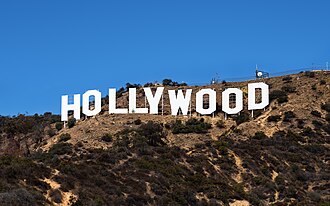
Los Angeles
Most populous city in California, U.S.
Los Angeles (often referred to by its initials, LA) is the most populous city in the U.S. state of California, and the commercial, financial, and cultural center of Southern California. With an estimated 3.88 million residents within the city limits as of 2024, it is the second-most populous city in...

Donald Trump
President of the United States (2017–2021; since 2025)
Donald John Trump (born June 14, 1946) is an American politician, media personality, and businessman who is the 47th president of the United States. A member of the Republican Party, he served as the 45th president from 2017 to 2021. Born into a wealthy New York City family, Trump graduated from the...
Entity Intersection Graph
Connections for World cup:
View full profileMentioned Entities
Deep Analysis
Why It Matters
This statement matters because it suggests potential federal intervention in local governance during a major international event, raising constitutional questions about federalism and state/local autonomy. It affects Los Angeles residents, local officials, and international visitors who may experience altered security or operational protocols during the 2026 World Cup. The comment also has political implications as it frames governance as confrontational rather than collaborative ahead of a major global event hosted on U.S. soil.
Context & Background
- The 2026 FIFA World Cup will be jointly hosted by the United States, Canada, and Mexico, with Los Angeles scheduled to host multiple matches at SoFi Stadium.
- There is historical tension between federal and local governments over event security, dating back to post-9/11 security measures and controversies during previous international events.
- Los Angeles has previously hosted major international events like the 1984 Olympics and 1994 World Cup with local-federal cooperation, though sometimes with jurisdictional disputes.
- The statement reflects ongoing political divisions between the Trump administration's approach to governance and more liberal cities like Los Angeles.
What Happens Next
Local officials in Los Angeles will likely issue responses defending municipal autonomy and existing security plans for World Cup events. The Department of Homeland Security and other federal agencies may need to clarify security coordination protocols for the 2026 tournament. This could become a campaign issue in the 2024 election regarding federal overreach and event security planning.
Frequently Asked Questions
The phrase suggests federal authorities may impose security measures, personnel, or protocols on Los Angeles against local preferences. This could involve deploying federal law enforcement, implementing specific security restrictions, or overriding local decisions about event management.
Yes, federal and local authorities have sometimes clashed over security for major events. After 9/11, federal security requirements increased substantially for large gatherings, though typically through negotiated agreements rather than unilateral imposition.
Visitors could experience enhanced security screening, restricted zones, or visible federal law enforcement presence. Conflicting federal and local directives could potentially create confusion about permitted items, access points, or security procedures at venues.
Federal authority could derive from national security provisions, interstate commerce regulations (since the event involves international travel), or specific event security laws. However, the Tenth Amendment reserves powers not delegated to the federal government to states, creating potential legal gray areas.
Other U.S. host cities like New York, Dallas, and Atlanta haven't received similar statements, suggesting this may be specific to perceived tensions with Los Angeles leadership. Other cities will likely monitor this situation as they develop their own World Cup security plans.