
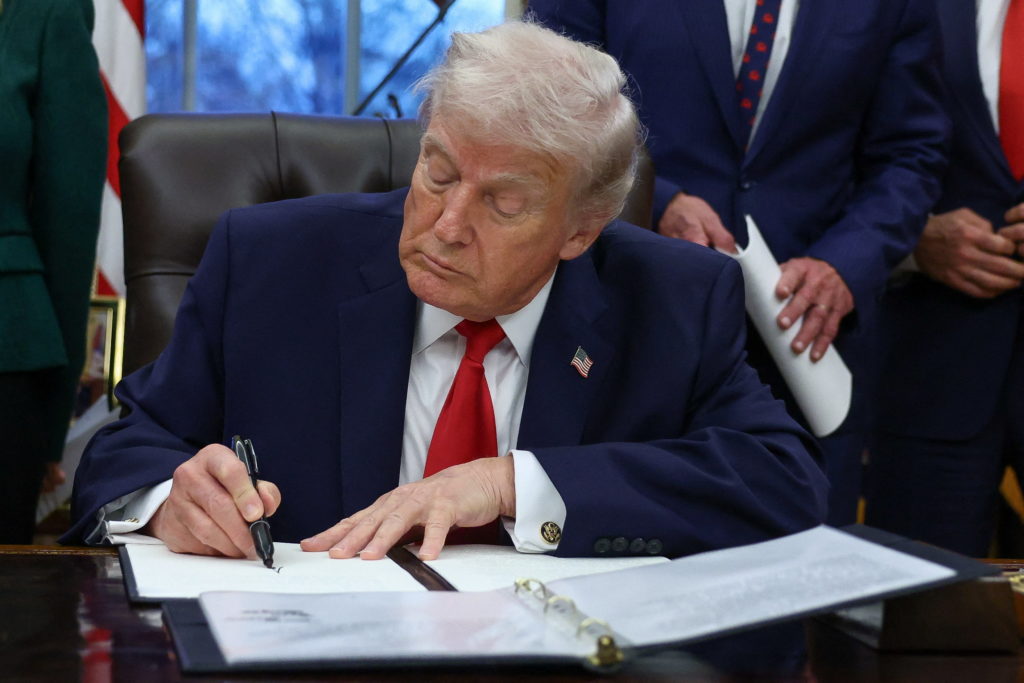
Trump signs executive orders aimed at home affordability ahead of midterms
#Trump #executive orders #home affordability #midterms #housing development #regulatory reform #elections
📌 Key Takeaways
- President Trump signed executive orders to address home affordability.
- The orders aim to reduce regulatory burdens on housing development.
- The timing coincides with upcoming midterm elections.
- The measures are intended to appeal to voters concerned with housing costs.
📖 Full Retelling
🏷️ Themes
Housing Policy, Political Strategy
Entity Intersection Graph
No entity connections available yet for this article.
Deep Analysis
Why It Matters
This news matters because it addresses the critical issue of housing affordability affecting millions of Americans, particularly younger generations and low-to-middle income families struggling with rising home prices and mortgage rates. The timing ahead of midterm elections suggests this is a politically strategic move to appeal to voters concerned about economic pressures. The executive orders could impact real estate markets, lending practices, and potentially provide relief to homebuyers facing financial barriers to homeownership.
Context & Background
- The U.S. has experienced a significant housing affordability crisis with median home prices rising approximately 40% since 2020 while wages haven't kept pace
- Previous administrations have implemented various housing policies including the 2008 Housing and Economic Recovery Act and Obama-era mortgage assistance programs
- Executive orders allow presidents to implement policy changes without congressional approval, though they face legal challenges and can be reversed by subsequent administrations
- Midterm elections historically see presidents using policy announcements to influence voter sentiment and turnout for their party
What Happens Next
Federal agencies will begin implementing the orders' provisions, potentially within weeks. Housing industry groups and lenders will adjust practices accordingly. Legal challenges may emerge if orders exceed executive authority. The impact on housing markets will become clearer over the next 3-6 months, with effects potentially influencing midterm election outcomes in November.
Frequently Asked Questions
While the article doesn't specify details, such orders typically target regulatory barriers, streamline approval processes, or direct agencies to revise lending guidelines. They may include provisions to reduce closing costs, ease zoning restrictions, or modify mortgage qualification requirements.
Some changes could take effect within months as agencies implement new rules, but significant impacts on housing prices and availability typically require 6-12 months to materialize fully. Immediate effects might include changed lender practices and increased buyer confidence.
Yes, future presidents can revoke or modify executive orders. Congressional legislation could also override them, though that requires bipartisan support. Courts may block orders if deemed unconstitutional or exceeding executive authority.
First-time homebuyers, moderate-income families, and residents in high-cost areas likely benefit most. Real estate and construction industries may also gain from increased market activity, though effects vary based on specific order provisions.
They address housing within current high inflation and interest rate environment. Affordable housing initiatives can stimulate economic activity but must balance against potential inflationary pressures in housing markets.