

Trump Wants to Bend Iran. Netanyahu Wants to Break It.
#Trump #Netanyahu #Iran #nuclear deal #Middle East #diplomacy #sanctions
📌 Key Takeaways
- Trump's strategy focuses on pressuring Iran to renegotiate the nuclear deal.
- Netanyahu advocates for a more aggressive approach to dismantle Iran's regional influence.
- The article highlights differing U.S. and Israeli tactics toward Iran's nuclear program.
- Tensions between the two allies could impact Middle East stability and diplomacy.
🏷️ Themes
Foreign Policy, Geopolitical Tensions
📚 Related People & Topics

Iran
Country in West Asia
# Iran **Iran**, officially the **Islamic Republic of Iran** and historically known as **Persia**, is a sovereign country situated in West Asia. It is a major regional power, ranking as the 17th-largest country in the world by both land area and population. Combining a rich historical legacy with a...

Middle East
Transcontinental geopolitical region
The Middle East is a geopolitical region encompassing the Arabian Peninsula, Egypt, Iran, Iraq, the Levant, and Turkey. The term came into widespread usage by Western European nations in the early 20th century as a replacement of the term Near East (both were in contrast to the Far East). The term ...
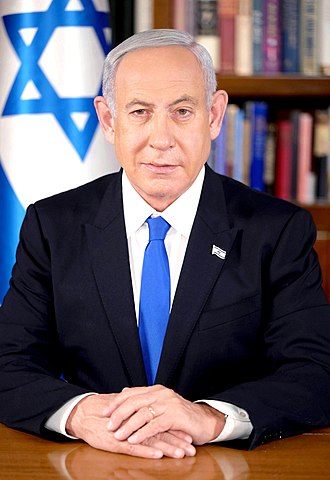
Benjamin Netanyahu
Prime Minister of Israel (1996–1999; 2009–2021; since 2022)
Benjamin "Bibi" Netanyahu (born 21 October 1949) is an Israeli politician and diplomat who has served as Prime Minister of Israel since 2022. Having previously held office from 1996 to 1999 and from 2009 to 2021, Netanyahu is Israel's longest-serving prime minister. Born in Tel Aviv, Netanyahu was r...

Donald Trump
President of the United States (2017–2021; since 2025)
Donald John Trump (born June 14, 1946) is an American politician, media personality, and businessman who is the 47th president of the United States. A member of the Republican Party, he served as the 45th president from 2017 to 2021. Born into a wealthy New York City family, Trump graduated from the...
Entity Intersection Graph
Connections for Iran:
Mentioned Entities
Deep Analysis
Why It Matters
This news highlights a critical divergence in Middle East strategy between two key U.S. allies, revealing potential fractures in the united front against Iran. It matters because differing approaches could lead to conflicting policies, destabilizing regional security and complicating diplomatic efforts. The tension affects global oil markets, regional stability, and could influence upcoming elections in both countries as leaders navigate hawkish domestic constituencies versus international diplomatic realities.
Context & Background
- The U.S.-Iran relationship has been hostile since the 1979 Iranian Revolution and subsequent hostage crisis, with tensions escalating over Iran's nuclear program.
- Israel has viewed Iran as an existential threat for decades, particularly due to Iran's support for Hezbollah and Hamas, and its calls for Israel's destruction.
- The 2015 Iran nuclear deal (JCPOA) was negotiated by the Obama administration but abandoned by Trump in 2018, who reinstated harsh sanctions.
- Netanyahu has consistently advocated for military action against Iran's nuclear facilities, while U.S. administrations have generally preferred sanctions and diplomacy.
- Recent years have seen increased covert attacks between Israel and Iran, including cyberattacks, assassinations, and strikes on shipping and nuclear facilities.
What Happens Next
Expect increased diplomatic friction between U.S. and Israeli officials in private discussions while maintaining public unity. Watch for potential Israeli unilateral actions against Iranian targets if nuclear negotiations progress. The situation may escalate if Iran accelerates uranium enrichment or provides advanced weapons to proxies, possibly triggering limited military confrontations before year-end.
Frequently Asked Questions
'Bending' refers to Trump's maximum pressure campaign using sanctions to force behavioral changes while keeping the regime intact. 'Breaking' represents Netanyahu's preference for regime change through military, economic, and political means to eliminate Iran's revolutionary government entirely.
Israeli opposition complicates U.S. diplomatic efforts by encouraging harder U.S. positions that may be unacceptable to Iran. This dynamic reduces negotiation flexibility and increases likelihood of diplomatic failure, potentially leading to renewed nuclear escalation.
Arab Gulf states may hedge bets between approaches, while Iranian proxies could exploit the division through calibrated provocations. The uncertainty may trigger preemptive actions by various actors seeking to shape outcomes before policy clarity emerges.
Netanyahu faces pressure from right-wing coalition partners advocating aggressive action, while Trump balances isolationist supporters against neoconservative advisors. Both leaders use Iran policy to rally their political bases ahead of elections.
European nations generally favor engagement over confrontation, creating a three-way split in Western approaches. They attempt to mediate while protecting their economic interests, often finding themselves caught between U.S. pressure and Iranian demands.