
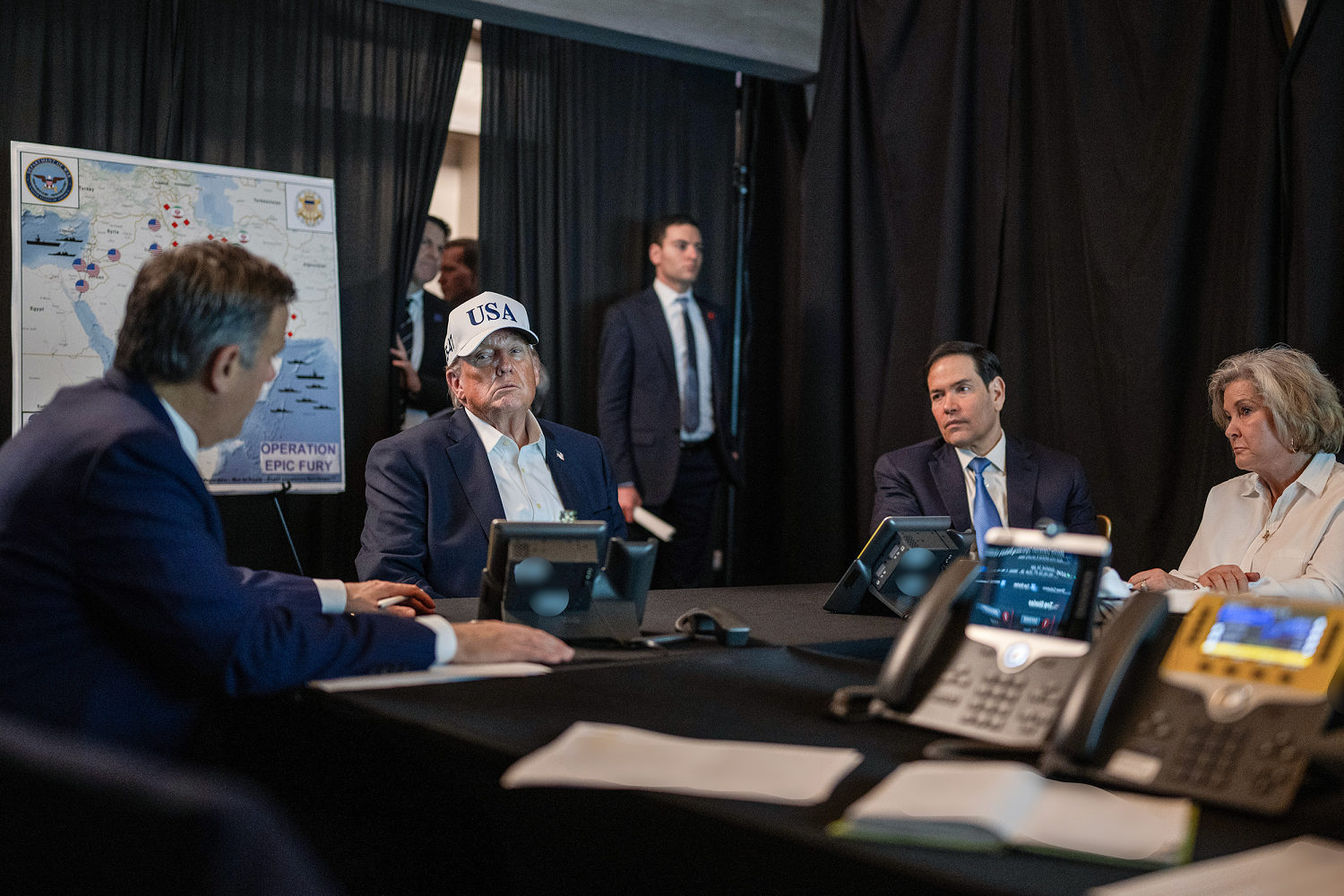
Trump's daily Iran video briefing fuels concerns he's not getting a full picture on the war
#Trump #Iran #video briefing #intelligence #war #foreign policy #decision-making
📌 Key Takeaways
- President Trump receives daily video briefings on Iran that may lack comprehensive context.
- Concerns arise that these briefings do not provide a full picture of the conflict situation.
- The format of the briefings could influence decision-making on U.S. foreign policy.
- This issue highlights potential gaps in intelligence communication to the highest levels of government.
📖 Full Retelling
🏷️ Themes
Intelligence Briefing, Foreign Policy
📚 Related People & Topics

Iran
Country in West Asia
# Iran **Iran**, officially the **Islamic Republic of Iran** and historically known as **Persia**, is a sovereign country situated in West Asia. It is a major regional power, ranking as the 17th-largest country in the world by both land area and population. Combining a rich historical legacy with a...

Donald Trump
President of the United States (2017–2021; since 2025)
Donald John Trump (born June 14, 1946) is an American politician, media personality, and businessman who is the 47th president of the United States. A member of the Republican Party, he served as the 45th president from 2017 to 2021. Born into a wealthy New York City family, Trump graduated from the...
Entity Intersection Graph
Connections for Iran:
Mentioned Entities
Deep Analysis
Why It Matters
This news matters because it raises serious questions about presidential decision-making during a potential military conflict. If President Trump is receiving incomplete or filtered information about Iran, it could lead to miscalculations with grave consequences for U.S. national security and regional stability. The situation affects military personnel who might be deployed, diplomatic relations with allies and adversaries, and global markets sensitive to Middle East tensions. Ultimately, it touches on fundamental questions of civilian control and informed leadership during international crises.
Context & Background
- The U.S. and Iran have been in escalating tensions since Trump withdrew from the 2015 nuclear deal in 2018 and reinstated sanctions
- In January 2020, the U.S. killed Iranian General Qasem Soleimani in a drone strike, bringing the two countries to the brink of war
- The Trump administration has frequently clashed with intelligence agencies, with Trump dismissing assessments that contradicted his views
- Presidents traditionally receive comprehensive intelligence briefings from multiple agencies to ensure balanced perspectives
- Video briefings became more common during COVID-19 but raise questions about what information might be omitted or emphasized
What Happens Next
Congressional oversight committees will likely demand more information about the briefing process and content. Intelligence agencies may face pressure to ensure their assessments reach the president unfiltered. The situation could influence how the Biden administration structures intelligence briefings if there's a transition. Ongoing tensions with Iran mean these briefing practices could directly impact future diplomatic or military decisions in the coming months.
Frequently Asked Questions
Video briefings are condensed, visual presentations of intelligence information, often prepared by specific staff. Unlike traditional comprehensive written and oral briefings from multiple agencies, video formats can be more easily edited to emphasize certain perspectives while omitting others, potentially creating information gaps.
Iran represents a complex national security challenge involving nuclear capabilities, regional proxies, and economic warfare. Incomplete information could lead to underestimating Iranian responses, miscalculating regional dynamics, or misunderstanding the consequences of military actions, potentially triggering unintended escalation.
The President's Daily Brief is traditionally prepared by the Office of the Director of National Intelligence, drawing from all intelligence agencies. Career intelligence analysts provide assessments, though political appointees may influence how information is presented, especially in administration-specific formats like video briefings.
Multiple agencies provide overlapping intelligence, congressional oversight committees review intelligence practices, and career civil servants traditionally ensure continuity. However, presidents have considerable discretion in how they receive information, and administrations can create parallel briefing systems that bypass traditional channels.
Allies like Israel and Saudi Arabia depend on U.S. decision-making regarding Iran. If the U.S. president is making decisions based on incomplete information, it could lead to unpredictable policies that destabilize regional partners and complicate coordinated security strategies.