
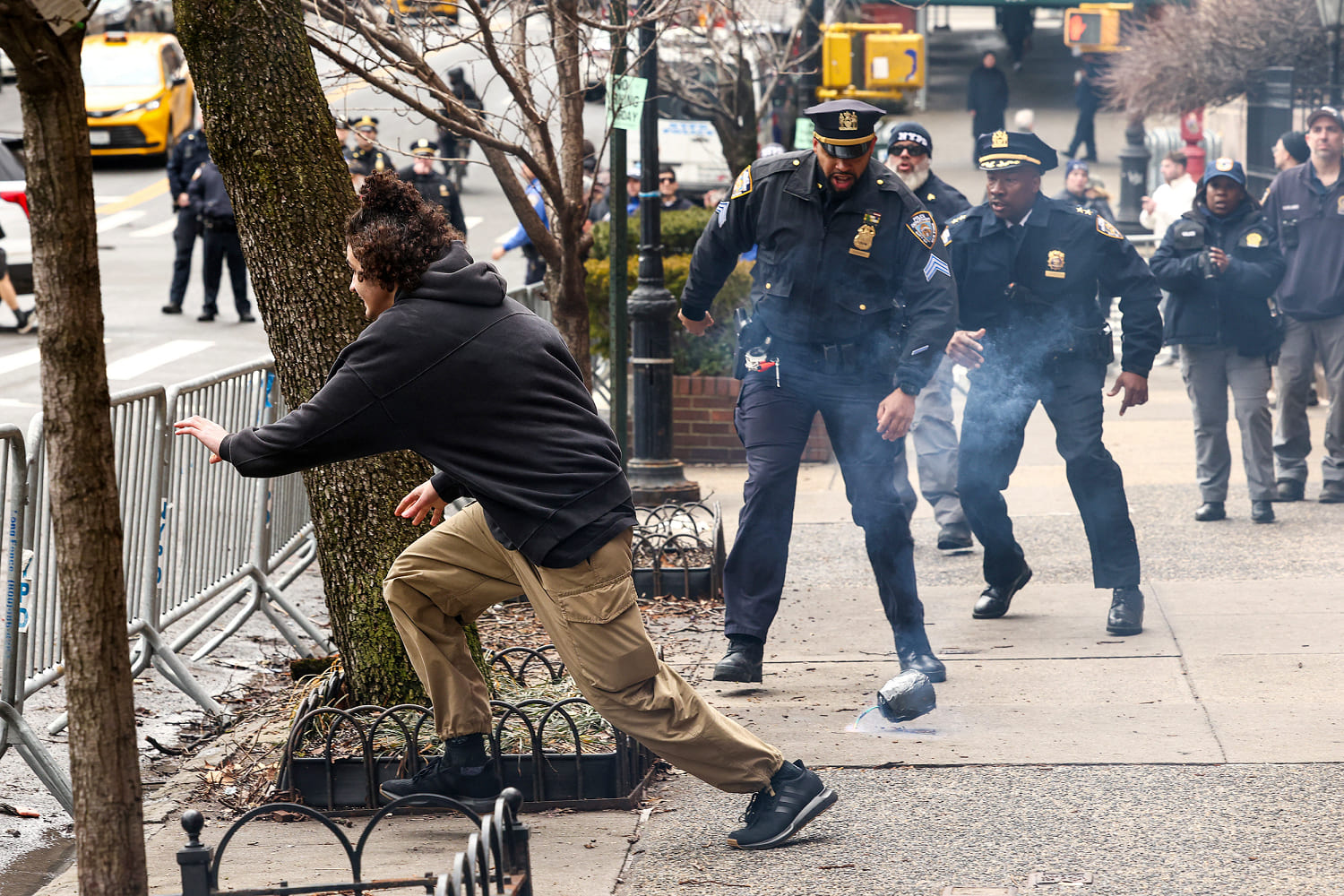
Two people in custody after 'suspicious devices' found outside NYC Mayor's official residence
#NYC Mayor #Gracie Mansion #suspicious devices #custody #security #investigation #official residence
📌 Key Takeaways
- Two individuals detained in connection with suspicious devices found near NYC Mayor's official residence
- Devices discovered outside Gracie Mansion, prompting security response
- Incident occurred at the mayor's official residence, raising security concerns
- Authorities investigating the nature and origin of the suspicious items
📖 Full Retelling
🏷️ Themes
Public Safety, Security Incident
📚 Related People & Topics

Gracie Mansion
New York City mayoral residence
Gracie Mansion (also Archibald Gracie Mansion) is the official residence of the mayor of New York City. Built in 1799, it is located in Carl Schurz Park, at East End Avenue and 88th Street in the Yorkville neighborhood of Manhattan. The federal-style mansion overlooks Hell Gate in the East River and...

Mayor of New York City
Chief executive of New York City
The mayor of New York City, officially mayor of the City of New York, is head of the executive branch of the government of New York City and the chief executive of New York City. The mayor's office administers all city services, public property, police and fire protection, and most public agencies, ...
Entity Intersection Graph
Connections for Gracie Mansion:
Mentioned Entities
Deep Analysis
Why It Matters
This incident directly threatens the security of New York City's highest elected official and raises concerns about political violence targeting public figures. It affects Mayor Eric Adams, his staff, residents near Gracie Mansion, and the broader NYC community by potentially undermining public safety and trust in government security. The event highlights ongoing security challenges for urban leaders and could influence future protective measures and public discourse on political safety.
Context & Background
- Gracie Mansion, located in Manhattan's Upper East Side, has served as the official residence of NYC mayors since 1942 and is a historic landmark with public tours.
- NYC mayors have faced security threats historically, including protests and isolated violent incidents, with increased security protocols post-9/11 and during periods of political tension.
- Recent years have seen a rise in threats against public officials across the U.S., with incidents ranging from vandalism to attempted attacks, prompting enhanced law enforcement vigilance.
What Happens Next
Law enforcement will likely conduct forensic analysis of the devices and interrogate the suspects to determine motives and potential connections. Security around Gracie Mansion and other city government sites may be temporarily heightened, with possible public briefings from the NYPD or mayor's office in the coming days. Depending on findings, federal agencies like the FBI could become involved, and charges may be filed within weeks.
Frequently Asked Questions
Suspicious devices typically refer to objects that appear to be explosives, incendiary materials, or other hazardous items, prompting bomb squad evaluation. In security incidents, they often include packages, containers, or electronic components that seem out of place or threatening. Law enforcement treats them as potential dangers until proven safe through controlled examination.
Gracie Mansion is significant as the official home of NYC's mayor, symbolizing municipal authority and serving as a venue for government functions and diplomacy. Its historical value and public accessibility make it both a cultural icon and a security-sensitive site. Threats here target not just an individual but the institution of city leadership.
While direct attacks on mayors are rare, threats and suspicious activities occur periodically, especially in large cities like NYC. Most incidents involve non-violent protests or hoaxes, but law enforcement takes all reports seriously due to potential risks. Security measures have evolved to mitigate these threats, including surveillance and rapid response teams.
Suspects could face charges such as possession of dangerous weapons, terrorism-related offenses, or threats against a public official, depending on evidence and intent. Penalties range from fines to imprisonment, with federal involvement if crimes cross state lines or involve domestic terrorism. Prosecution will hinge on device analysis and suspect interrogations.