
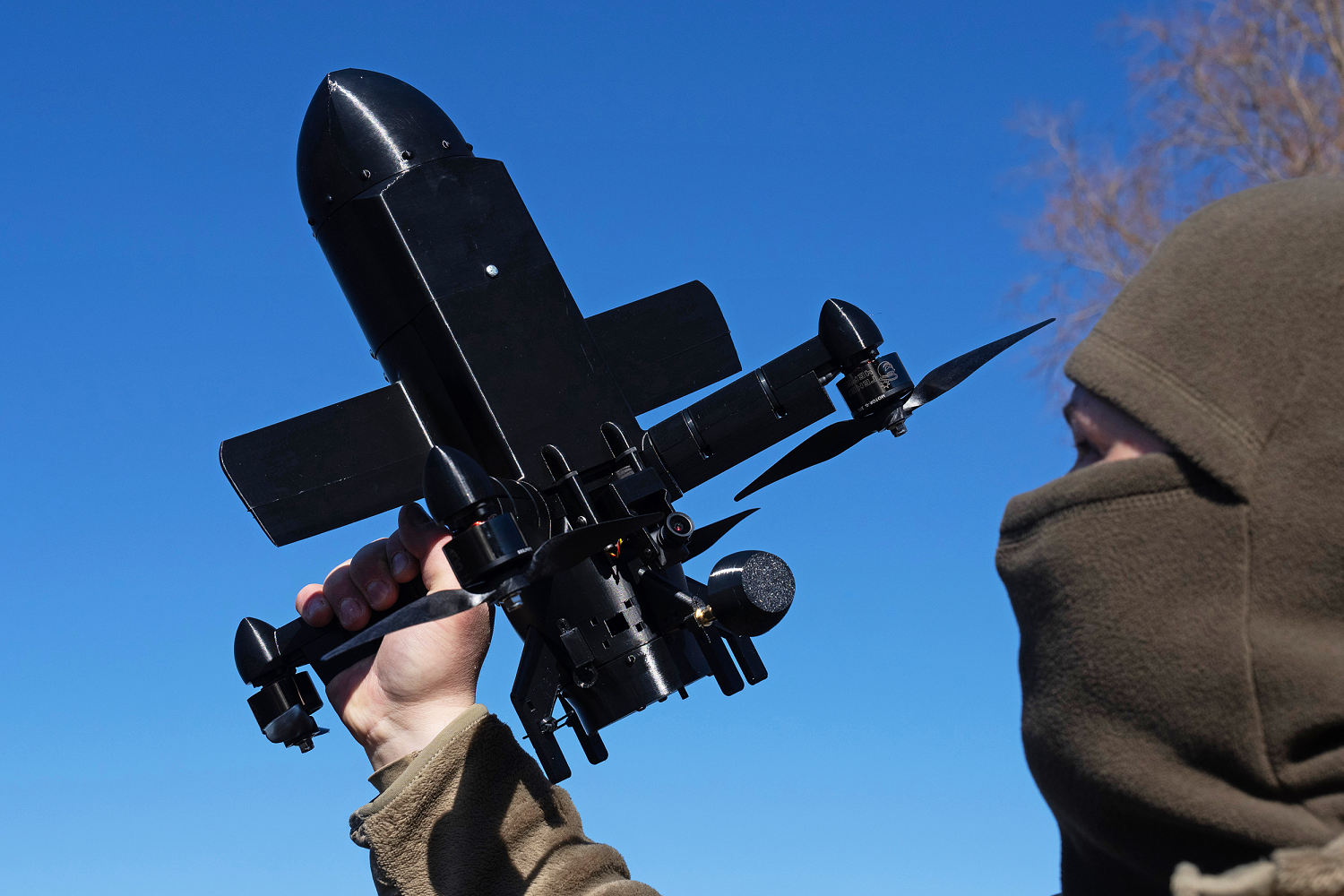
Ukraine's anti-drone tech is in high demand as Iran attacks its neighbors
#Ukraine #anti-drone technology #Iran #drone warfare #military demand #regional conflict #defense systems
📌 Key Takeaways
- Ukraine's anti-drone technology is experiencing increased global demand.
- This surge is linked to Iran's drone attacks on neighboring countries.
- The situation highlights the growing threat of drone warfare in regional conflicts.
- Ukraine's expertise, developed during its own war, is now sought internationally.
📖 Full Retelling
🏷️ Themes
Military Technology, Geopolitical Conflict
📚 Related People & Topics

Iran
Country in West Asia
# Iran **Iran**, officially the **Islamic Republic of Iran** and historically known as **Persia**, is a sovereign country situated in West Asia. It is a major regional power, ranking as the 17th-largest country in the world by both land area and population. Combining a rich historical legacy with a...

Ukraine
Country in Eastern Europe
# Ukraine **Ukraine** is a country located in Eastern Europe. It is the second-largest country in Europe by area, after Russia. Known for its extensive fertile plains, the nation serves as a critical global exporter of grain and is considered a middle power in international affairs. ## Geography a...
Entity Intersection Graph
Connections for Iran:
Mentioned Entities
Deep Analysis
Why It Matters
This development matters because it demonstrates how Ukraine's battlefield innovations are creating new economic opportunities and geopolitical influence. It affects Ukraine's defense industry, which gains revenue and international partnerships, while countries threatened by Iranian drones gain access to proven countermeasures. The situation also impacts global arms markets by introducing effective, combat-tested technology, and affects regional security dynamics in the Middle East as nations seek to defend against drone threats.
Context & Background
- Iran has developed and exported attack drones to various proxies and allies, including Houthi rebels in Yemen and militant groups in Iraq and Syria, creating regional security challenges.
- Ukraine has faced extensive Iranian-made drone attacks since 2022, particularly Shahed-136 loitering munitions, forcing rapid development of electronic warfare and anti-drone systems.
- The global counter-drone market is projected to grow significantly, with military applications driving demand as drones become cheaper and more accessible to state and non-state actors.
- Ukraine's defense industry has historically included Soviet-era expertise but has recently accelerated innovation due to wartime necessity, with private and state companies developing new systems.
- Several Middle Eastern countries, including Israel, Saudi Arabia, and UAE, have faced drone and missile attacks from Iranian-backed groups, creating demand for effective air defense solutions.
What Happens Next
Ukraine will likely expand defense export agreements with Middle Eastern partners in coming months, potentially including technology transfers or joint production deals. International arms exhibitions may feature Ukrainian anti-drone systems more prominently as marketing efforts increase. Testing and adaptation of these systems for different environments (desert vs. urban) will occur, with possible operational deployments in conflict zones within 6-12 months. This could lead to diplomatic discussions about technology control and non-proliferation as these systems spread.
Frequently Asked Questions
Ukraine has developed electronic warfare systems that jam drone communications and navigation, directed energy weapons, and traditional anti-air systems modified for small, low-flying targets. These include portable systems for frontline troops and larger fixed installations for protecting critical infrastructure.
Ukrainian systems have been proven effective against the same Iranian-made drones that threaten Middle Eastern nations, having intercepted thousands of Shahed drones. This combat testing provides confidence that isn't available with untested systems, and Ukraine may offer more flexible export terms than traditional Western suppliers.
Western allies may view this positively as it strengthens Ukraine's economic resilience and reduces aid dependency, but could raise concerns about technology security and potential diversion. Some partners might encourage this as part of building Ukraine's future NATO-compatible defense industry while monitoring export controls.
Key challenges include adapting technology for different environments, ensuring adequate training and maintenance support, navigating international arms export regulations, and protecting intellectual property. Ukraine's ongoing war also creates production and logistics constraints that could limit export capacity.
This reflects the global shift toward asymmetric warfare where inexpensive drones challenge traditional defense systems, creating demand for cost-effective countermeasures. It also shows how modern conflicts accelerate military innovation that then enters global markets, similar to how Israeli systems gained prominence after regional conflicts.