
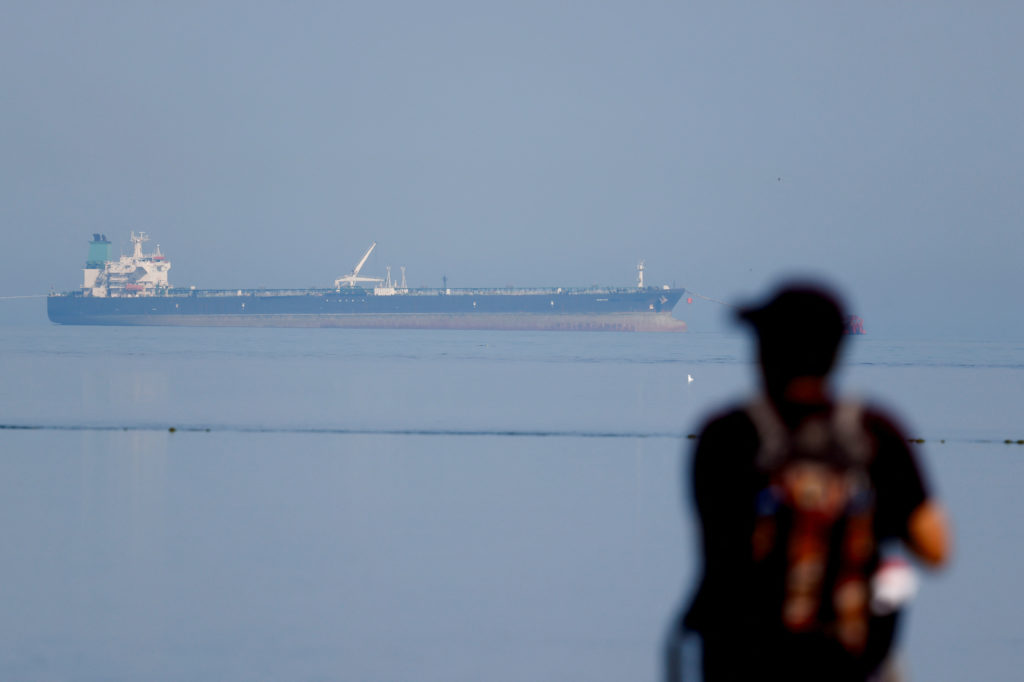
U.S. eases some sanctions on Russian oil, but crude prices remain high
#U.S. sanctions #Russian oil #crude prices #energy policy #global supply
📌 Key Takeaways
- The U.S. has relaxed certain sanctions targeting Russian oil exports.
- Despite this policy adjustment, global crude oil prices continue to stay elevated.
- The move aims to address market supply concerns but has not immediately lowered costs.
- The situation highlights the complex impact of sanctions on global energy markets.
📖 Full Retelling
🏷️ Themes
Sanctions, Energy Markets
📚 Related People & Topics

Petroleum industry in Russia
One of the largest in the world
The petroleum or oil industry in Russia is one of the largest in the world. Russia has the largest reserves and was the largest exporter of natural gas. It has the sixth largest oil reserves, and is one of the largest producers of oil.
Entity Intersection Graph
Connections for Petroleum industry in Russia:
Mentioned Entities
Deep Analysis
Why It Matters
This news matters because it affects global energy markets, inflation rates worldwide, and geopolitical dynamics between the U.S. and Russia. The easing of sanctions could increase Russian oil supply, potentially lowering prices, but persistent high prices indicate deeper market issues affecting consumers and businesses globally. This development impacts energy-dependent industries, transportation costs, and household budgets across multiple countries.
Context & Background
- The U.S. and allies imposed extensive sanctions on Russian oil exports following Russia's 2022 invasion of Ukraine
- Russia is one of the world's top three oil producers alongside the U.S. and Saudi Arabia
- Previous sanctions included price caps on Russian oil and restrictions on shipping and insurance services
- Global oil prices have remained volatile since 2022, contributing to worldwide inflation
- The OPEC+ alliance, which includes Russia, has implemented multiple production cuts since 2022
What Happens Next
Market analysts will monitor whether the eased sanctions translate to increased Russian oil exports in coming weeks. The U.S. may face political pressure regarding the timing and extent of sanctions relief. OPEC+ will likely adjust its production strategy in response to any changes in Russian output, with their next meeting scheduled for early December.
Frequently Asked Questions
The U.S. may be easing sanctions to increase global oil supply and reduce prices, addressing domestic inflation concerns. This could also reflect diplomatic efforts or recognition that previous sanctions weren't achieving desired economic pressure on Russia.
Prices remain high due to ongoing production cuts by OPEC+, geopolitical tensions in the Middle East, and strong global demand. Market uncertainty about future supply and refining capacity constraints also contribute to price persistence.
High crude prices typically lead to increased gasoline and heating costs for consumers. They also contribute to higher prices for goods and services throughout the economy due to increased transportation and production expenses.
Risks include reducing economic pressure on Russia during its war in Ukraine and potentially strengthening Russian government revenues. There's also the diplomatic risk of appearing to backtrack on previous commitments to isolate Russia economically.
Russia may increase oil exports to capitalize on eased restrictions while maintaining its cooperation with OPEC+ production agreements. The Russian government might also use any additional revenue to fund its military operations in Ukraine.