

US energy chief defends waiver on Russian oil sanctions, blames fear for higher gas prices
#Russian oil sanctions #Gas prices #Energy Secretary #Biden administration #Market speculation #Energy security
📌 Key Takeaways
- US Energy Secretary defended waiver on Russian oil sanctions
- Official attributed rising gas prices to market fears rather than supply issues
- The waiver allows continued imports of Russian refined petroleum products
- Administration claims measure is necessary to stabilize domestic fuel markets
📖 Full Retelling
🏷️ Themes
Energy policy, Geopolitics, Economic sanctions
📚 Related People & Topics

Speculation
Engaging in risky financial transactions
In finance, speculation is the purchase of an asset (a commodity, goods, or real estate) with the hope that that asset will become more valuable in a brief amount of time. The term can also refer to short sales, in which the speculator hopes for a decline in value. Speculation often has a pejorative...
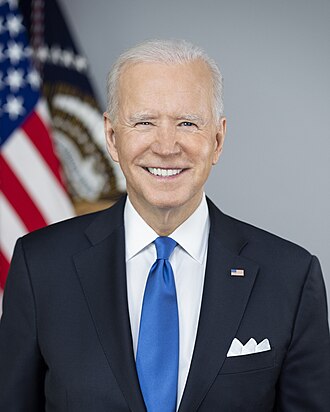
Presidency of Joe Biden
2021–2025 U.S. presidential administration
Joe Biden's tenure as the 46th president of the United States began with his inauguration on January 20, 2021, and ended on January 20, 2025. Biden, member of the Democratic Party, had previously served as the 47th vice president from 2009 to 2017 under President Barack Obama, took office after defe...
Entity Intersection Graph
No entity connections available yet for this article.
Mentioned Entities
Deep Analysis
Why It Matters
The waiver on Russian oil sanctions represents a critical balancing act between geopolitical pressure against Russia and domestic economic concerns, directly impacting American consumers facing rising gasoline prices. This decision affects everyday drivers, the broader economy through transportation costs and inflation, and demonstrates the complex economic calculations behind foreign policy decisions. The administration's focus on market speculation rather than supply constraints highlights how geopolitical conflicts can have indirect economic consequences.
Context & Background
- The US imposed sanctions on Russia following its invasion of Ukraine in February 2022, targeting various sectors including energy
- Russia is a major global oil producer, and its energy exports have been a key focus of international sanctions
- Gasoline prices in the US have experienced significant volatility since the pandemic, with additional pressures from the Ukraine conflict
- The Biden administration has previously faced criticism for both high gas prices and policies perceived as being soft on Russia
- Strategic petroleum reserves were released by the administration in 2022 to combat rising fuel prices
- The waiver specifically applies to refined petroleum products, not crude oil, indicating a targeted approach to market needs
What Happens Next
The waiver is likely to remain in place at least through the immediate term as the administration continues to monitor market conditions. Future developments may include additional statements from the Department of Energy about market stability, potential responses from Congress regarding the sanctions policy, and monitoring of gasoline prices to determine if the waiver has achieved its intended effect. The administration may also face increased pressure from both critics who want stronger sanctions against Russia and consumer advocates concerned about fuel prices.
Frequently Asked Questions
The waiver allows continued imports of Russian refined petroleum products, such as gasoline and diesel, into the United States while maintaining broader sanctions against Russia's energy sector.
According to Energy Secretary Granholm, the price increases were due to speculative behavior and unfounded market anxiety rather than actual supply constraints or shortages.
Critics argue it undermines the administration's stance by maintaining economic ties, though officials maintain it's a temporary measure that doesn't compromise the broader sanctions framework against Russia's energy sector.
The article doesn't specify an expiration date, but Granholm presented it as a necessary measure to stabilize domestic fuel markets, suggesting it will continue until market conditions improve.
The administration hopes the waiver will prevent further price increases at the pump, protecting consumers from unnecessary price volatility in the short term.