

U.S. trade partners delay meetings, demand clarity after the Supreme Court guts Trump's tariff power
📌 Key Takeaways
- {"type":"skipped","reason":"older_than_3_days"}
📖 Full Retelling
📚 Related People & Topics
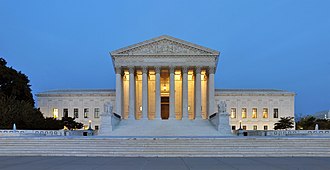
Supreme court
Highest court in a jurisdiction
In most legal jurisdictions, a supreme court, also known as a court of last resort, apex court, high (or final) court of appeal, and court of final appeal, is the highest court within the hierarchy of courts. Broadly speaking, the decisions of a supreme court are binding on all other courts in a nat...
Entity Intersection Graph
Connections for Supreme court:
Mentioned Entities
Deep Analysis
Why It Matters
The Supreme Court ruling removes the legal basis for Trump’s tariff decisions, unsettling trade partners and threatening the stability of recent trade agreements. Countries that negotiated lower tariffs in exchange for investments now face uncertainty over future tariff levels and the enforceability of those deals.
Context & Background
- Trump used the International Emergency Economic Powers Act to impose 15% tariffs on key partners
- The ruling invalidated those tariffs, leaving agreements that relied on them in legal limbo
- Trade partners such as Japan, the EU, India, Canada, and South Korea are seeking clarification on whether the tariffs will be reinstated or replaced
What Happens Next
Trump has pledged to backfill the canceled tariffs, but the method and timing remain unclear. Trade partners will likely negotiate new terms or seek legal remedies while monitoring U.S. policy shifts.
Frequently Asked Questions
It removes the legal authority that underpinned many tariff concessions, creating uncertainty about whether the agreed rates will be maintained.
Trump has indicated a willingness to restore tariffs, but no definitive schedule has been announced, so partners must prepare for potential changes.