
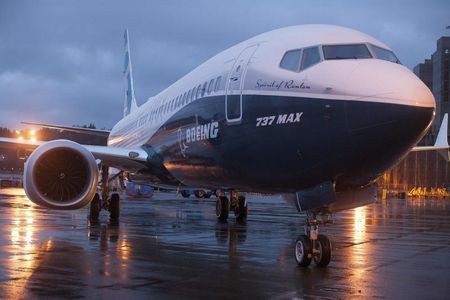
USAF general says Boeing has to fix tanker problems before US orders more
#USAF #Boeing #tanker #military orders #aircraft problems #defense contracts #safety standards
📌 Key Takeaways
- A USAF general stated that Boeing must resolve existing tanker issues before the US places additional orders.
- The statement highlights ongoing quality and reliability concerns with Boeing's tanker aircraft.
- This condition reflects the military's emphasis on operational readiness and safety standards.
- The situation may impact Boeing's future defense contracts and financial performance.
🏷️ Themes
Military Procurement, Aerospace Issues
📚 Related People & Topics

United States Air Force
Air service branch of the U.S. military
The United States Air Force (USAF) is the air service branch of the United States Armed Forces. It is a part of the United States Department of Defense and is one of the six armed forces and one of the eight uniformed services of the United States. Tracing its origins to 1 August 1907, as a part of ...

Boeing
American aerospace and defense corporation
The Boeing Company ( BO-ing) is an American multinational corporation that designs, manufactures, and sells airplanes, rotorcraft, rockets, satellites, and missiles worldwide. The company also provides leasing and product support services. Boeing is among the largest global aerospace manufacturers; ...
Entity Intersection Graph
Connections for United States Air Force:
Mentioned Entities
Deep Analysis
Why It Matters
This news matters because it directly impacts US military readiness and air superiority capabilities, as aerial refueling tankers are essential for global power projection. It affects Boeing's financial stability and reputation as a defense contractor, potentially jeopardizing future contracts worth billions. The situation also concerns taxpayers who fund these expensive defense programs and military personnel who rely on these aircraft for mission safety.
Context & Background
- The KC-46 Pegasus program began in 2011 when Boeing won a $35 billion contract to replace aging KC-135 tankers, beating Airbus/EADS.
- The program has faced numerous technical issues including problems with the Remote Vision System (RVS) that allows operators to see refueling operations.
- Boeing has already absorbed over $5 billion in cost overruns on the KC-46 program due to development problems and delays.
- The Air Force has already taken delivery of over 60 KC-46s despite known deficiencies, operating them with limitations.
- This is part of a broader pattern of quality control issues at Boeing following the 737 MAX crises and other recent aircraft problems.
What Happens Next
Boeing will need to present a credible fix timeline to the Air Force, likely within the next quarter, to unlock additional orders. The Air Force will conduct rigorous testing of any proposed solutions before approving further purchases. If problems persist, the Pentagon may consider reopening competition for future tanker contracts, potentially involving Airbus or other manufacturers.
Frequently Asked Questions
The primary issues involve the Remote Vision System which has display problems in certain lighting conditions, making refueling operations difficult. There have also been problems with the refueling boom scraping aircraft receiving fuel and cargo lock mechanisms failing during flight.
The Air Force has ordered 179 KC-46 tankers total, with plans to eventually acquire 179 aircraft. Currently about 60 have been delivered, but the Air Force is withholding further orders until existing problems are resolved.
The Air Force continues to operate delivered KC-46s with restrictions and workarounds, limiting their full operational capability. Some missions are being handled by older KC-135 and KC-10 tankers while the KC-46 issues are addressed.
This creates significant financial pressure as Boeing has already absorbed billions in losses on the program. It damages Boeing's reputation as a reliable defense contractor and could impact their chances for future military contracts across all divisions.
The Air Force could potentially turn to Airbus, which previously competed for the contract with the KC-30 (based on the A330). However, switching contractors would involve major costs and delays, making continued work with Boeing the preferred path if fixes are achievable.