
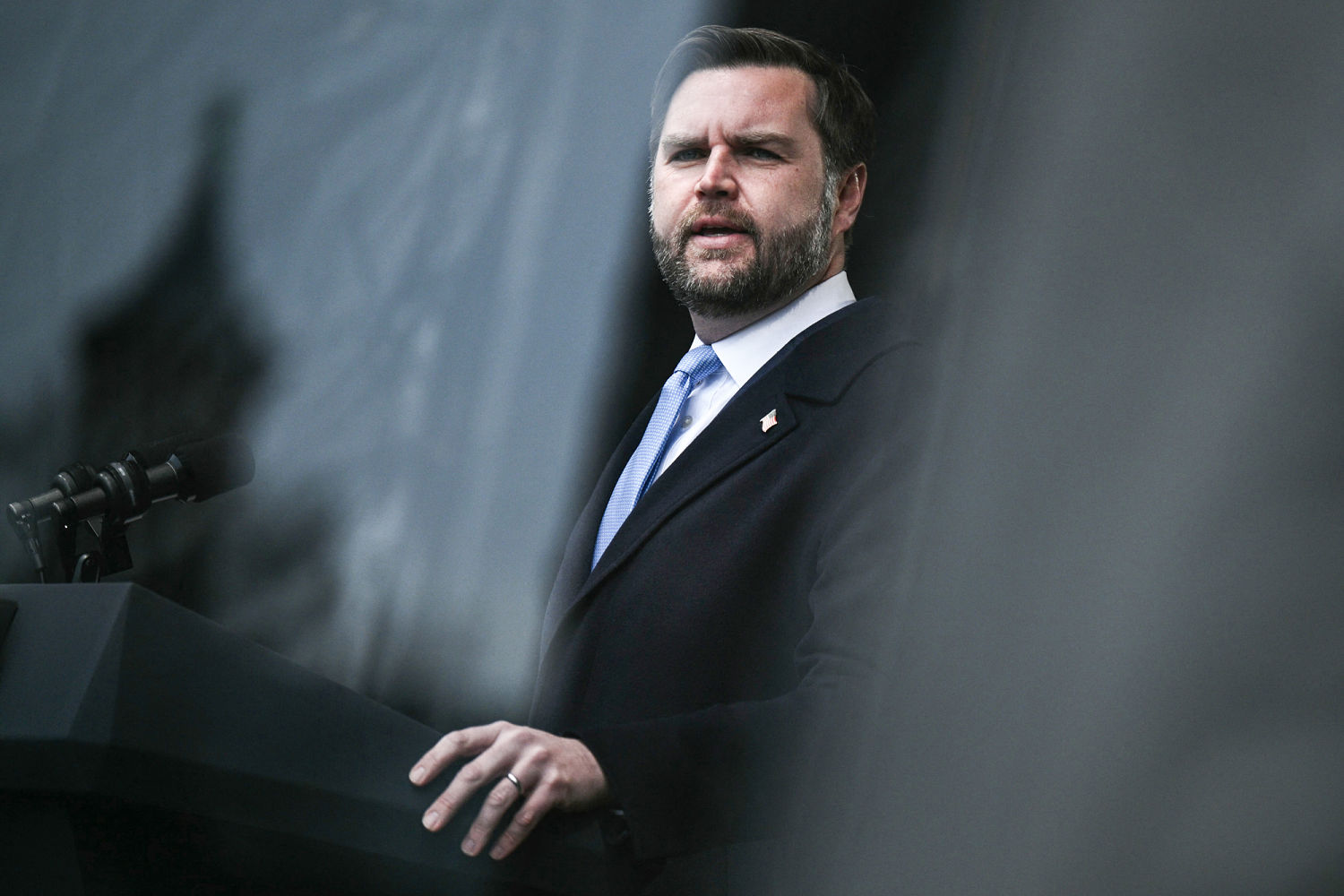
Vance to convene first White House anti-fraud task force meeting Friday
#Vance #White House #anti-fraud task force #inaugural meeting #fraud prevention #interagency collaboration #administration priority
📌 Key Takeaways
- Vance will lead the inaugural White House anti-fraud task force meeting on Friday.
- The meeting marks the official launch of the administration's coordinated anti-fraud efforts.
- The task force aims to address and combat fraud through interagency collaboration.
- This initiative highlights fraud prevention as a key priority for the current administration.
📖 Full Retelling
🏷️ Themes
Government, Fraud Prevention
📚 Related People & Topics

White House
Residence and workplace of the US president
# The White House The **White House** is the official residence and principal workplace of the president of the United States. Located at **1600 Pennsylvania Avenue NW** in Washington, D.C., it stands as one of the most recognizable symbols of the American presidency and the United States governmen...
Entity Intersection Graph
Connections for White House:
Mentioned Entities
Deep Analysis
Why It Matters
This development matters because it signals the White House is prioritizing coordinated action against fraud, which costs Americans billions annually and undermines trust in financial systems. It affects consumers vulnerable to scams, businesses harmed by fraudulent activities, and government agencies responsible for enforcement. The task force's work could lead to stronger protections, more prosecutions, and better interagency cooperation on fraud prevention.
Context & Background
- The Biden administration established the White House Anti-Fraud Task Force in 2023 to coordinate efforts across multiple federal agencies
- Fraud complaints to the FTC reached 2.6 million in 2023 with reported losses of $10 billion, highlighting the scale of the problem
- Previous administrations have used similar interagency task forces to address issues like identity theft and pandemic fraud
- State and local law enforcement agencies often struggle with cross-jurisdictional fraud cases that require federal coordination
What Happens Next
Following Friday's meeting, expect the task force to release initial recommendations within 30-60 days, potentially including new regulatory proposals or enforcement priorities. Congressional hearings on fraud prevention may be scheduled for early next month, and the DOJ will likely announce coordinated enforcement actions against major fraud rings in the coming weeks.
Frequently Asked Questions
The task force will likely focus on widespread fraud types including identity theft, pandemic relief fraud, investment scams, and consumer protection violations. It will coordinate existing efforts across agencies rather than creating entirely new enforcement mechanisms.
This task force creates a centralized White House coordination mechanism for multiple agencies including DOJ, FTC, Treasury, and SEC. The key difference is improved information sharing and strategic alignment across federal entities that previously operated more independently.
While the task force primarily focuses on prevention and prosecution, its work may lead to improved victim assistance programs and better mechanisms for restitution. However, individual recovery depends on specific case circumstances and available assets from perpetrators.
The task force itself doesn't have direct enforcement authority but coordinates agencies that do. It can recommend policy changes, prioritize cases, and facilitate information sharing between agencies with existing investigative and prosecutorial powers.