
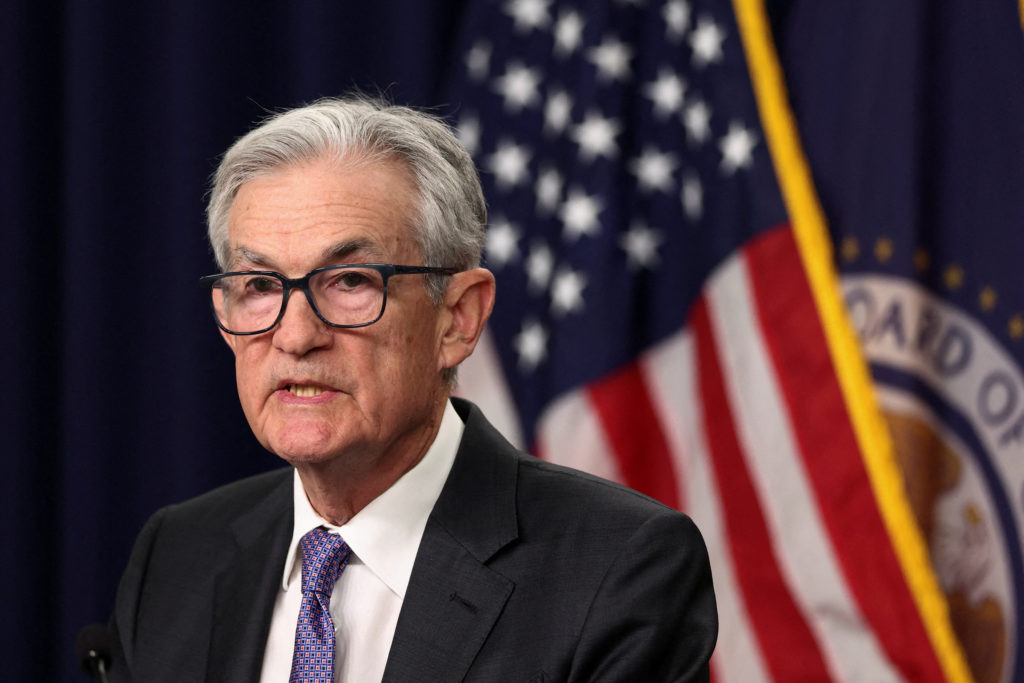
WATCH LIVE: Fed Chair Powell holds news briefing after latest interest rate decision
#Federal Reserve #interest rates #Jerome Powell #news briefing #monetary policy #economic outlook #live broadcast
📌 Key Takeaways
- Federal Reserve Chair Jerome Powell is holding a live news briefing
- The briefing follows the Fed's latest interest rate decision announcement
- The event is being broadcast live for public and media access
- Powell will address questions on monetary policy and economic outlook
📖 Full Retelling
🏷️ Themes
Monetary Policy, Economic Announcement
📚 Related People & Topics

Jerome Powell
American central banker (born 1953)
Jerome Hayden "Jay" Powell (born February 4, 1953) is an American central banker who has been the 16th chair of the Federal Reserve since 2018. He was previously both a lawyer and investment banker in the private sector before entering public service. A native of Washington, D.C., Powell graduated...

Federal Reserve
Central banking system of the US
The Federal Reserve System (often shortened to the Federal Reserve, or simply the Fed) is the central banking system of the United States. It was created on December 23, 1913, with the enactment of the Federal Reserve Act, after a series of financial panics (particularly the panic of 1907) led to th...
Entity Intersection Graph
Connections for Jerome Powell:
Mentioned Entities
Deep Analysis
Why It Matters
The Federal Reserve's interest rate decisions directly influence borrowing costs for consumers and businesses, affecting everything from mortgages and car loans to corporate investments and economic growth. This matters to virtually everyone, including homeowners, job seekers, investors, and policymakers, as it shapes inflation control, employment trends, and overall financial stability. Powell's briefing provides critical insights into the Fed's economic outlook and future policy direction, guiding market expectations and financial planning.
Context & Background
- The Federal Reserve, the U.S. central bank, uses interest rates as a primary tool to manage inflation and unemployment, aiming for maximum employment and stable prices.
- In recent years, the Fed raised rates aggressively to combat high inflation post-pandemic, with the federal funds rate reaching a 23-year high in 2023.
- Previous briefings have signaled shifts in policy, such as pauses or cuts, based on economic data like CPI reports and job market figures.
What Happens Next
Markets will analyze Powell's tone for hints on future rate cuts or hikes, with upcoming economic data (e.g., employment reports, inflation metrics) influencing the Fed's next moves. The next Federal Open Market Committee (FOMC) meeting, typically scheduled every 6-8 weeks, will be closely watched for potential policy adjustments. Investors may adjust portfolios based on Powell's guidance, affecting stock and bond markets in the short term.
Frequently Asked Questions
The Fed aims to balance maximum employment and stable prices (around 2% inflation) by adjusting rates to stimulate or cool the economy as needed.
Higher rates increase costs for loans (e.g., mortgages, credit cards), potentially slowing spending, while lower rates make borrowing cheaper but can fuel inflation.
Powell's comments provide clues on future monetary policy, helping investors anticipate market trends and adjust strategies for stocks, bonds, and other assets.
The Fed reviews data like inflation (CPI, PCE), unemployment rates, GDP growth, and consumer spending to gauge economic health and inform decisions.