
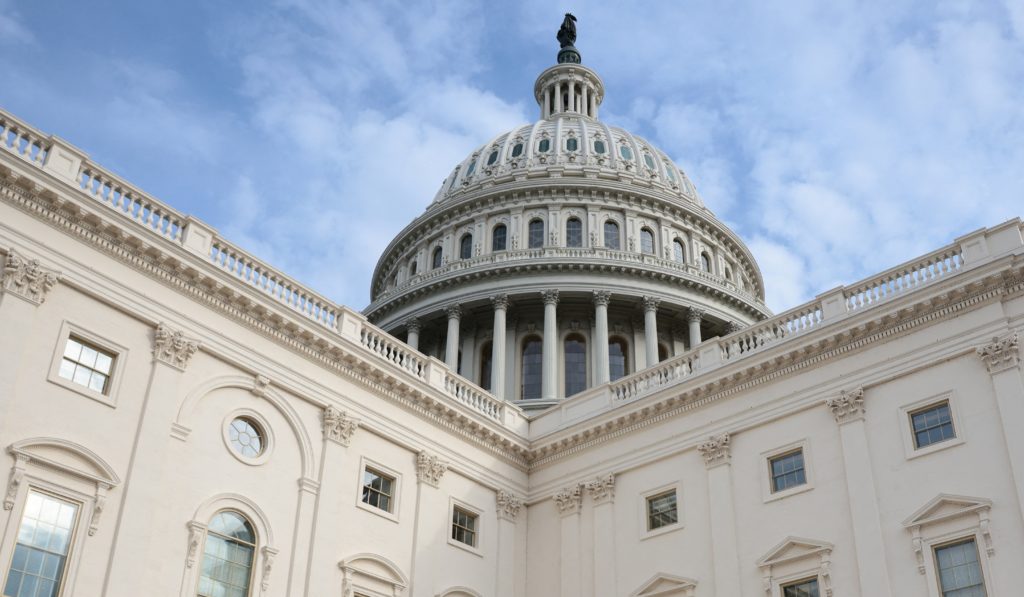
WATCH LIVE: Senate expected to vote on Republican proposal to fund TSA, DHS
📖 Full Retelling
📚 Related People & Topics

Senate
Upper house of a bicameral legislature
A senate is a deliberative assembly, often the upper house or chamber of a bicameral legislature. The name comes from the ancient Roman Senate (Latin: Senatus), so-called as an assembly of the senior (Latin: senex meaning "the elder" or "old man") and therefore considered wiser and more experienced ...
Entity Intersection Graph
Connections for Senate:
View full profileMentioned Entities
Deep Analysis
Why It Matters
This vote is crucial because it determines whether the Transportation Security Administration (TSA) and Department of Homeland Security (DHS) receive necessary funding to maintain operations, directly affecting national security and travel safety. If funding fails, it could lead to government shutdowns affecting thousands of federal employees and disrupting airport security operations nationwide. The outcome also reflects broader political tensions over budget priorities and border security policies between Republicans and Democrats.
Context & Background
- The Department of Homeland Security was created in 2002 following the 9/11 attacks to consolidate national security agencies.
- TSA was established in 2001 as part of the Aviation and Transportation Security Act in response to 9/11.
- Congress has frequently faced funding deadlines for DHS, with past debates often centering on immigration enforcement and border security funding.
- Government shutdowns have occurred multiple times in recent decades when Congress fails to pass appropriations bills.
- DHS is the third-largest federal department with over 240,000 employees and a budget exceeding $50 billion annually.
What Happens Next
If the Republican proposal passes the Senate, it will move to the House for consideration, potentially facing Democratic opposition. If rejected, lawmakers will need to negotiate alternative funding measures before the current funding expires, possibly requiring temporary continuing resolutions. The final funding decision will determine DHS and TSA operational capabilities through the fiscal year, with potential impacts on border security staffing and airport screening operations.
Frequently Asked Questions
If funding fails, DHS and TSA could face partial shutdowns, potentially furloughing non-essential employees and reducing security operations at airports and borders until new funding is approved.
DHS funding often becomes contentious due to debates over immigration enforcement, border wall construction, and resource allocation between different security priorities, making it a frequent political battleground.
If TSA funding is disrupted, travelers could experience longer security lines, reduced screening staff, and potential flight delays as security operations are scaled back during funding gaps.
Republican proposals typically emphasize border security funding and immigration enforcement resources, while Democratic alternatives often focus on different DHS priorities, creating partisan divides over budget allocations.
Essential national security functions continue during funding gaps, but many administrative functions, training programs, and non-essential personnel would be affected, potentially degrading long-term operational capacity.