
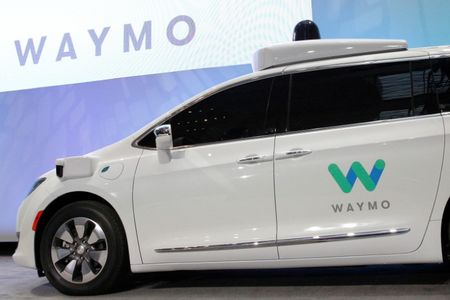
Waymo says remote workers do not ‘directly’ control its robotaxis
#Waymo #robotaxis #autonomous vehicles #remote workers #self-driving cars #Google #autonomous technology
📌 Key Takeaways
- Waymo clarified remote workers don't directly control robotaxis
- Remote agents only provide assistance when vehicles encounter rare challenges
- The vehicles operate autonomally in 99% of situations
- This clarification addresses public misconceptions about autonomous technology
- Waymo continues expanding autonomous taxi services across multiple US cities
📖 Full Retelling
🏷️ Themes
Autonomous Technology, Transportation Innovation, Safety Systems
📚 Related People & Topics

Waymo
Autonomous car technology company
Waymo LLC ( WAY-moh) is an American autonomous driving technology company headquartered in Mountain View, California. It is a subsidiary of Alphabet Inc., Google's parent company. Waymo operates commercial robotaxi services available to the public in Phoenix, the San Francisco Bay Area, Los Angeles,...

American multinational technology company
Google LLC ( , GOO-gəl) is an American multinational technology corporation focused on information technology, online advertising, search engine technology, email, cloud computing, software, quantum computing, e-commerce, consumer electronics, and artificial intelligence (AI). It has been referred t...
Entity Intersection Graph
Connections for Waymo:
Mentioned Entities
Deep Analysis
Why It Matters
Waymo's claim that remote workers do not directly control robotaxis clarifies the company's safety model and addresses regulatory concerns about human intervention in autonomous driving.
Context & Background
- Waymo operates a fleet of autonomous robotaxis that rely on sensors and AI for navigation
- Allegations have surfaced that remote workers can intervene in vehicle operations
- The company states that remote workers only monitor and can take over only in emergencies
What Happens Next
Regulators may review Waymo's remote worker policies, and the company could update its safety protocols or provide additional transparency to maintain public trust.
Frequently Asked Questions
It means remote workers cannot override the vehicle's autonomous decision-making or manually drive the car; they can only observe and intervene if a safety driver is needed
Waymo uses a combination of sensors, AI algorithms, and safety drivers on board, while remote workers monitor performance and can only take control if a safety driver is needed