
We have a housing crisis. It’s time to tax long-vacant homes
#vacancy tax #housing crisis #Los Angeles #property tax #affordable housing #speculation #rental market
📌 Key Takeaways
- A reader proposes a tax on long-vacant homes to address housing shortages.
- The argument uses a specific Los Angeles home vacant for 12 years as an example.
- The tax aims to force owners to rent or sell, increasing housing supply.
- Similar taxes in cities like Vancouver are cited as successful precedents.
- The debate involves balancing property rights with addressing a social crisis.
📖 Full Retelling
🏷️ Themes
Housing Policy, Urban Economics, Taxation
📚 Related People & Topics
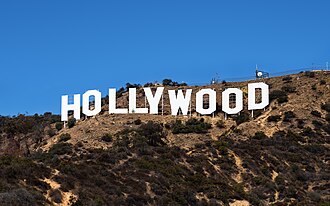
Los Angeles
Most populous city in California, U.S.
Los Angeles (often referred to by its initials, LA) is the most populous city in the U.S. state of California, and the commercial, financial, and cultural center of Southern California. With an estimated 3.88 million residents within the city limits as of 2024, it is the second-most populous city in...
Entity Intersection Graph
Connections for Los Angeles:
Mentioned Entities
Deep Analysis
Why It Matters
This proposal addresses a critical issue affecting millions of Californians: the severe lack of affordable housing and the rising rate of homelessness. By targeting vacant properties, the policy aims to immediately increase housing supply without the long timelines required for new construction. It also highlights a growing shift in public sentiment, prioritizing housing as a human necessity over a speculative financial asset.
Context & Background
- California is currently facing a housing deficit estimated to be millions of units, leading to exorbitant rents and home prices.
- Vancouver, Canada, implemented an Empty Homes Tax in 2017, which has been credited with reducing vacancy rates and increasing rental listings.
- Paris, France, has utilized a tax on vacant second homes since the early 2000s to discourage property hoarding.
- Recent California legislation, such as SB 9, has focused on zoning reform to allow denser housing, but supply remains tight.
- Housing affordability in Los Angeles is among the worst in the nation, with a significant percentage of renters spending over half their income on housing.
What Happens Next
Local or state legislators may draft bills to introduce vacancy taxes, potentially starting with pilot programs in major cities like Los Angeles. Real estate investment groups and property rights advocates are expected to lobby heavily against such measures. If enacted, the policy would likely face legal challenges regarding its constitutionality and enforcement mechanisms.
Frequently Asked Questions
The goal is to create a financial penalty for property owners who keep homes empty, forcing them to either rent or sell the property to increase the available housing supply.
Vancouver and Paris are frequently cited as successful examples where vacancy taxes have returned thousands of empty units to the rental market.
Critics argue that these taxes represent government overreach, infringe on private property rights, and may discourage real estate investment.