
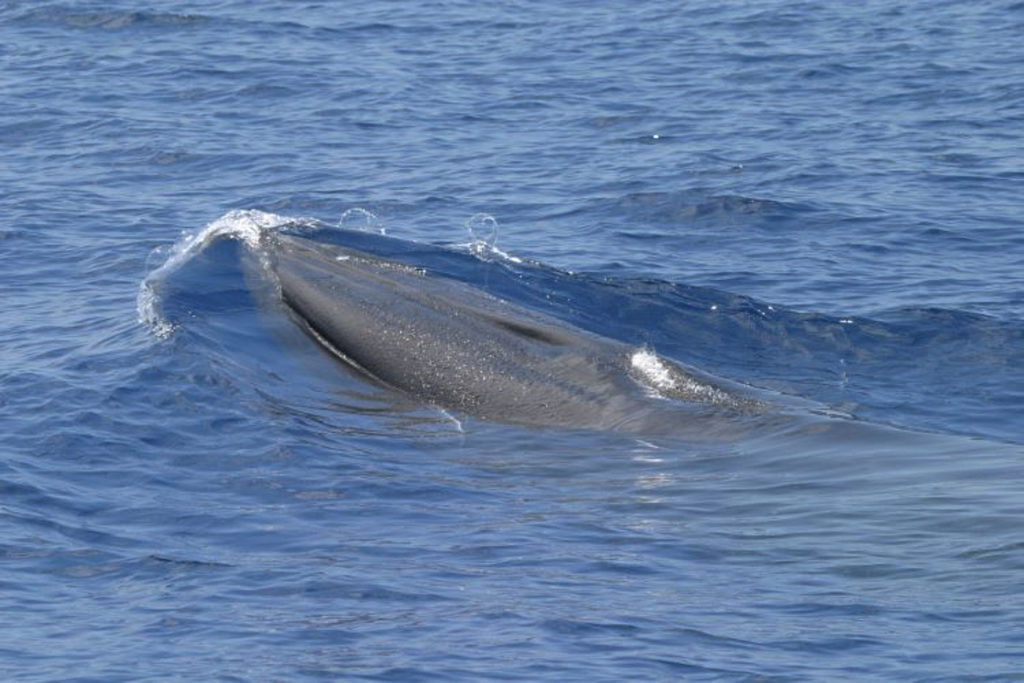
What to know about Rice's whale, a rare species in the way of Trump's plans for more Gulf drilling
📖 Full Retelling
Scientists fear that expanding oil and gas drilling in the Gulf of Mexico could push the giant mammal to extinction.
Entity Intersection Graph
No entity connections available yet for this article.
Original Source
By — Tammy Webber, Associated Press Tammy Webber, Associated Press Leave your feedback Share Copy URL Email Facebook Twitter LinkedIn Pinterest Tumblr Share on Facebook Share on Twitter What to know about Rice's whale, a rare species in the way of Trump's plans for more Gulf drilling Science Mar 31, 2026 2:09 PM EDT One of the world's rarest whales lives in only one place: the Gulf of Mexico, where the Trump administration wants to expand oil and gas drilling that scientists fear could push the giant mammal to extinction. READ MORE: Trump's Endangered Species Committee exempts oil and gas drilling in the Gulf from rules Endangered Rice's whales live their entire lives in the gulf, where they're vulnerable to vessel strikes, noise pollution, oil spills and climate change — all of which could increase with more drilling, scientists said. Other animals, including threatened manatees and endangered sea turtles, also could be put at risk, experts said. As the Iran war pushes energy prices sharply higher, Defense Secretary Pete Hegseth invoked national security in seeking an exemption from endangered species laws, which make it illegal to harm or kill species on a protected list. The seldom-used Endangered Species Committee granted that request on Tuesday. What is known about the Rice's whale? It's the only whale species that lives year-round in the Gulf of Mexico, where there are fewer than 100 — and possibly fewer than 50 — left, scientists said. Recognized as a distinct species in 2021, the Rice's whale is usually found in a narrow area in the northeastern part of the Gulf, in waters 100 to 400 meters (328 to 1,312 feet) deep. A Rice's whale is visible from onboard the NOAA Twin Otter aircraft off the coast of Texas in the Gulf of Mexico. File photo by Paul Nagelkirk/NOAA Fisheries (Permit #21938) via AP They're fairly picky eaters, diving to the gulf floor for fatty fish — mainly silver-rag driftfish — during the day and then resting close to the surface at night, mea...
Read full article at source