
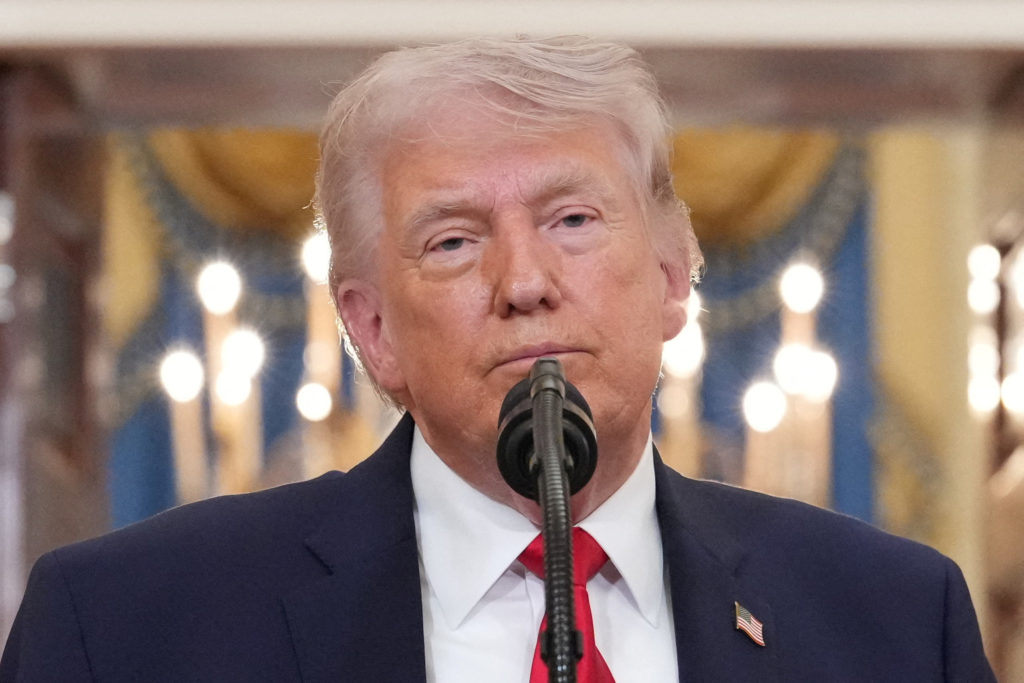
What Trump's Iran war means for Republicans ahead of midterms
📚 Related People & Topics

Iran
Country in West Asia
# Iran **Iran**, officially the **Islamic Republic of Iran** and historically known as **Persia**, is a sovereign country situated in West Asia. It is a major regional power, ranking as the 17th-largest country in the world by both land area and population. Combining a rich historical legacy with a...

Donald Trump
President of the United States (2017–2021; since 2025)
Donald John Trump (born June 14, 1946) is an American politician, media personality, and businessman who is the 47th president of the United States. A member of the Republican Party, he served as the 45th president from 2017 to 2021. Born into a wealthy New York City family, Trump graduated from the...
Entity Intersection Graph
Connections for Republican:
Mentioned Entities
Deep Analysis
Why It Matters
This news matters because it examines how potential military conflict with Iran could impact Republican electoral prospects in upcoming midterm elections. It affects Republican candidates who must balance national security concerns with voter sentiment about foreign military engagements. The analysis is important for understanding how foreign policy decisions translate into domestic political consequences, potentially influencing campaign strategies and voter mobilization efforts. Political strategists, policymakers, and voters all have stakes in understanding these dynamics.
Context & Background
- The United States has had tense relations with Iran since the 1979 Iranian Revolution and subsequent hostage crisis
- The Trump administration withdrew from the Iran nuclear deal (JCPOA) in 2018 and implemented maximum pressure sanctions
- Previous U.S.-Iran tensions have included incidents like the 2020 assassination of Iranian General Qasem Soleimani and Iranian attacks on Saudi oil facilities
- Midterm elections historically serve as a referendum on the sitting president's party, with the party controlling the White House typically losing seats
- Republican foreign policy has traditionally emphasized strong national defense but has recently shown more isolationist tendencies among some factions
What Happens Next
Political analysts will monitor polling data to see how potential conflict affects Republican support among key voter demographics. Republican candidates will likely adjust their campaign messaging to either embrace or distance themselves from administration foreign policy. Congressional hearings may be scheduled to examine the justification and strategy for any military action. The midterm election results in November will provide concrete evidence of how foreign policy events influenced voter behavior.
Frequently Asked Questions
A war could either rally voters around the flag and boost Republican support, or it could alienate voters weary of foreign conflicts and drain resources from domestic priorities. The outcome depends on factors like the conflict's duration, casualty rates, and perceived justification. Historically, short successful military actions tend to benefit incumbents while prolonged conflicts often hurt them.
Traditional hawks favor strong military responses to Iranian aggression and support maximum pressure campaigns. More isolationist factions, influenced by Trump's 'America First' approach, question the value of Middle East interventions and prefer focusing on domestic issues. Some Republicans advocate for diplomatic solutions while maintaining military options as leverage.
Midterm results can constrain or empower presidential foreign policy depending on which party controls Congress. Losses by the president's party often lead to increased congressional oversight and challenges to foreign policy initiatives. A strengthened opposition party may use committee powers to investigate administration actions and limit funding for military operations.
The 2002 midterms occurred after 9/11 and the Afghanistan invasion, resulting in gains for President Bush's Republican Party. The 2006 midterms during the Iraq War saw significant Democratic gains as public support for the war declined. The 2014 midterms occurred amid ISIS conflicts but were dominated by domestic issues rather than foreign policy concerns.
Democratic responses would likely vary between progressive candidates criticizing military intervention and more moderate candidates emphasizing congressional authorization and diplomatic solutions. Most would question the strategic rationale and cost of military action while advocating for multilateral approaches. All would likely emphasize the diversion of resources from domestic priorities.