
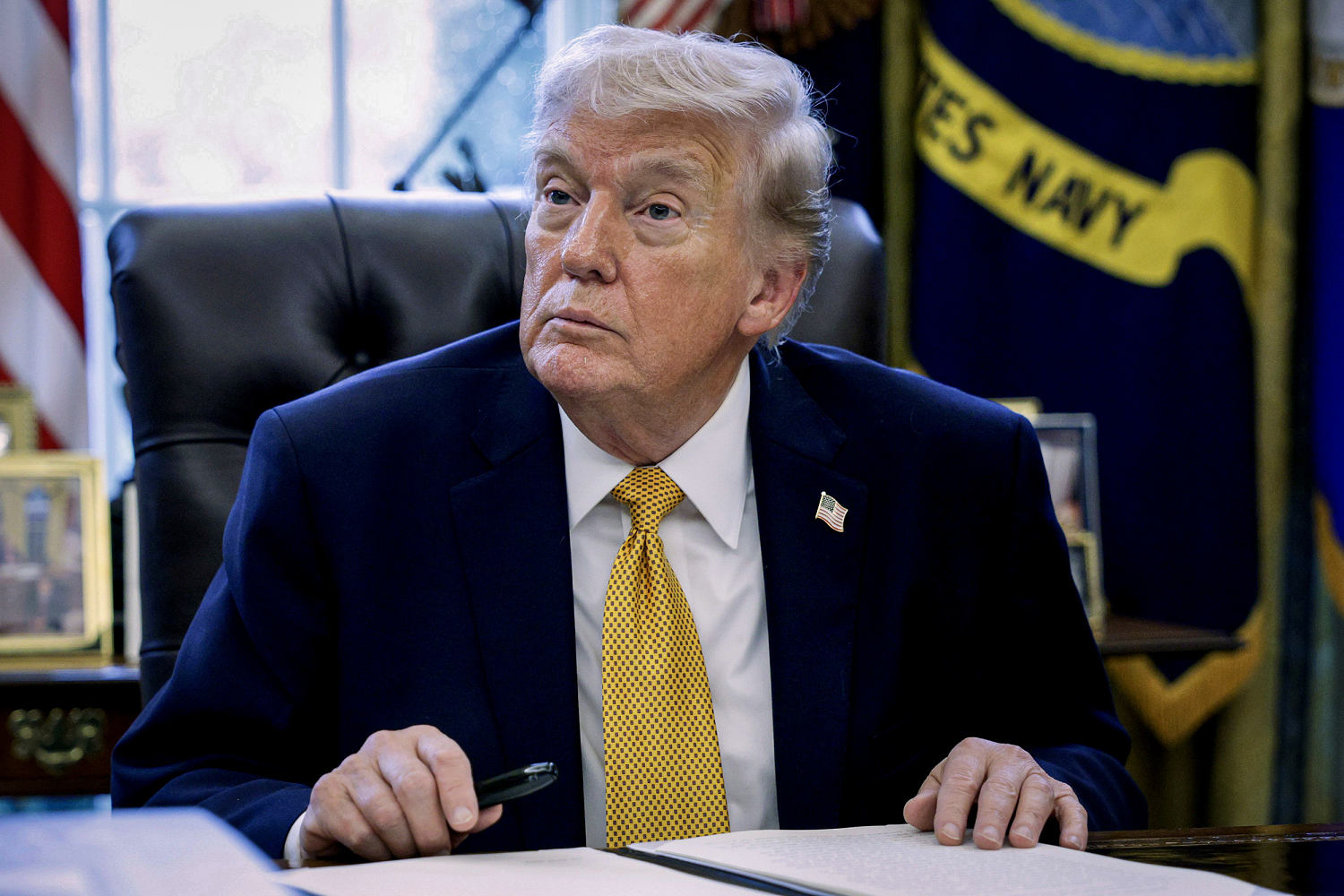
White House releases AI legislation framework
#White House #AI legislation #framework #regulation #ethics #transparency #innovation
📌 Key Takeaways
- White House proposes new AI legislation framework to guide regulation
- Framework aims to address ethical and safety concerns in AI development
- Legislation seeks to balance innovation with public interest protections
- Proposal includes guidelines for transparency and accountability in AI systems
📖 Full Retelling
🏷️ Themes
AI Regulation, Government Policy
📚 Related People & Topics
Regulation of artificial intelligence
Guidelines and laws to regulate AI
Regulation of artificial intelligence is the development of public sector policies and laws for promoting and regulating artificial intelligence (AI). The regulatory and policy landscape for AI is an emerging issue in jurisdictions worldwide, including for international organizations without direct ...

White House
Residence and workplace of the US president
# The White House The **White House** is the official residence and principal workplace of the president of the United States. Located at **1600 Pennsylvania Avenue NW** in Washington, D.C., it stands as one of the most recognizable symbols of the American presidency and the United States governmen...
Entity Intersection Graph
Connections for Regulation of artificial intelligence:
Mentioned Entities
Deep Analysis
Why It Matters
This news is important because it represents a critical step by the U.S. federal government to establish formal rules and guardrails for the rapidly advancing field of artificial intelligence. It directly affects technology companies developing AI, businesses that deploy it, and the general public whose privacy, security, and rights are impacted by AI systems. The framework aims to balance innovation with risk mitigation, setting a precedent for national policy that could influence global standards and shape the future development of this transformative technology.
Context & Background
- The rapid commercialization of generative AI tools like ChatGPT in late 2022 and 2023 sparked intense public and governmental debate about the technology's risks and benefits.
- In October 2023, President Biden issued a landmark Executive Order on AI, directing federal agencies to develop safety and security standards.
- The U.S. has been operating without comprehensive federal AI legislation, leading to a patchwork of state-level laws and voluntary company commitments.
What Happens Next
The White House framework will be sent to Congress, where lawmakers will debate and potentially draft specific legislation. Key committees will hold hearings with experts from industry, academia, and civil society. The legislative process could extend through 2025, with potential for bipartisan proposals or a more fragmented approach depending on the election cycle.
Frequently Asked Questions
The framework is expected to address AI safety and security standards, protections for consumer privacy and civil rights, transparency requirements for AI systems, and mechanisms for accountability and oversight of high-risk AI applications.
The U.S. framework is likely to be more sectoral and risk-based, focusing on specific applications, while the EU AI Act takes a more comprehensive, horizontal approach with stricter ex-ante regulations and categorization of prohibited AI systems.
No, this is a legislative framework or proposal from the executive branch. It must go through the full congressional process of drafting, debate, amendment, and voting in both the House and Senate before potentially being signed into law by the President.
Reactions will be mixed; some companies may welcome federal clarity to preempt a patchwork of state laws, while others may lobby against regulations they view as overly restrictive to innovation and competitiveness, especially against international rivals.