
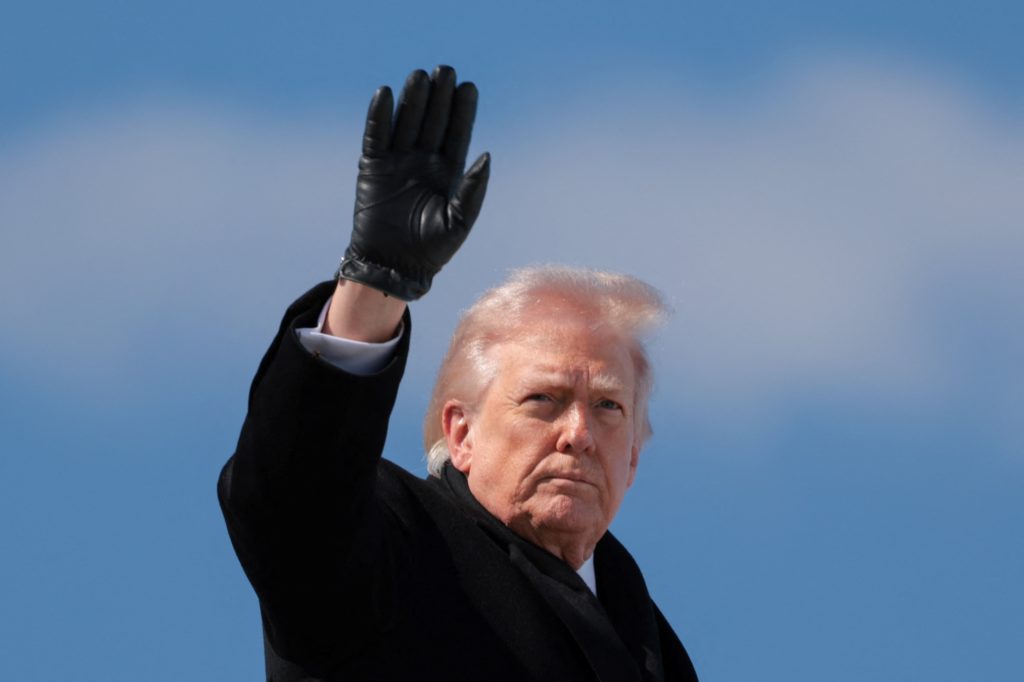
White House's use of internet memes to promote Iran war sparks criticism
#White House #internet memes #Iran war #criticism #digital communication #geopolitical conflict #political strategy
📌 Key Takeaways
- White House used internet memes to promote military action against Iran
- The strategy sparked widespread criticism from various groups
- Critics argue memes trivialize serious geopolitical conflicts
- The approach reflects modern digital communication tactics in politics
📖 Full Retelling
🏷️ Themes
Digital Diplomacy, Political Criticism
📚 Related People & Topics

White House
Residence and workplace of the US president
# The White House The **White House** is the official residence and principal workplace of the president of the United States. Located at **1600 Pennsylvania Avenue NW** in Washington, D.C., it stands as one of the most recognizable symbols of the American presidency and the United States governmen...
List of wars involving Iran
This is a list of wars involving the Islamic Republic of Iran and its predecessor states. It is an unfinished historical overview.
Entity Intersection Graph
Connections for White House:
Mentioned Entities
Deep Analysis
Why It Matters
This news matters because it reveals how modern governments are adapting digital communication strategies traditionally used by internet subcultures for serious geopolitical messaging. It affects U.S.-Iran relations by potentially escalating tensions through unconventional diplomatic channels, impacts public perception of government transparency when serious matters are communicated through meme formats, and raises ethical questions about using humor and internet culture to discuss military conflict. The approach also influences how younger, digitally-native audiences receive information about foreign policy decisions.
Context & Background
- The U.S. and Iran have had strained relations since the 1979 Iranian Revolution and subsequent hostage crisis
- Internet memes have become significant political communication tools, used by various governments and political movements worldwide
- The Trump administration previously used social media aggressively for foreign policy messaging, including Twitter diplomacy
- Iran has faced increasing economic pressure through U.S. sanctions since the U.S. withdrawal from the Iran nuclear deal in 2018
- Digital propaganda and information warfare have become standard elements of modern international conflicts
What Happens Next
Expect increased scrutiny of White House digital communication strategies from media and political analysts. Congressional committees may question administration officials about the appropriateness of such messaging. The approach could inspire either imitation or condemnation from other governments in their diplomatic communications. Watch for potential backlash from internet communities who may view the co-opting of meme culture for war promotion as inappropriate. Future developments may include formal guidelines for government social media use regarding military matters.
Frequently Asked Questions
The White House likely uses memes to reach younger audiences and make complex foreign policy more accessible through familiar internet formats. This approach may also represent an attempt to frame serious matters in more shareable, viral content that can bypass traditional media filters. However, critics argue it trivializes the gravity of potential military conflict.
Critics argue that using internet memes to discuss potential war dangerously trivializes serious geopolitical matters and human costs of conflict. Others suggest it represents a concerning blurring between official government communication and internet culture. Some experts worry it could desensitize the public to the realities of military engagement.
This unconventional communication approach may further complicate already tense diplomatic channels by introducing informal, culturally-specific messaging that could be misinterpreted. Iranian officials might view such memes as disrespectful or propagandistic rather than serious diplomatic communication. The approach could harden positions on both sides by framing the conflict in internet culture terms.
Yes, various U.S. government agencies and political campaigns have increasingly incorporated meme culture into their communications in recent years. However, using memes specifically to discuss potential military conflict with another nation represents a significant escalation of this trend. Previous uses have typically focused on domestic policy or lighter subjects rather than war promotion.
Risks include trivializing serious matters, confusing official messaging with internet humor, creating misinterpretation across cultural boundaries, and potentially escalating conflicts through provocative digital content. There's also concern about normalizing informal communication for grave matters that traditionally require careful diplomatic language and protocols.