
Why Mojtaba Khamenei was named new supreme leader of Iran
#Mojtaba Khamenei #Supreme Leader #Iran #succession #Ayatollah Ali Khamenei #conservative leadership #political appointment
📌 Key Takeaways
- Mojtaba Khamenei has been appointed as the new Supreme Leader of Iran.
- The appointment follows the death or succession of the previous Supreme Leader.
- Mojtaba Khamenei is the son of the former Supreme Leader, Ayatollah Ali Khamenei.
- The decision reflects the continuation of conservative leadership within Iran's political structure.
- The appointment is expected to maintain Iran's current domestic and foreign policies.
📖 Full Retelling
🏷️ Themes
Leadership Succession, Iranian Politics
📚 Related People & Topics

Ali Khamenei
Supreme Leader of Iran since 1989
Ali Hosseini Khamenei (born 19 April 1939) is an Iranian cleric and politician who has served as the second supreme leader of Iran since 1989. He previously served as the third president of Iran from 1981 to 1989. His tenure as supreme leader, spanning 36 years, makes him the longest-serving head of...
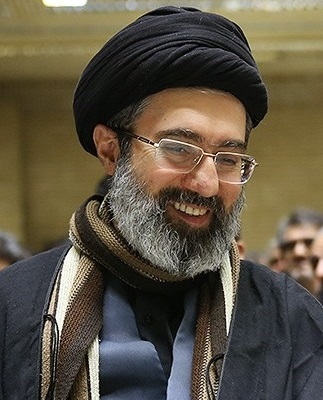
Mojtaba Khamenei
Iranian politician and cleric (born 1969)
Mojtaba Hosseini Khamenei (born 8 September 1969) is an Iranian politician and Muslim cleric. The second eldest child of Ali Khamenei, the former supreme leader of Iran, Mojtaba Khamenei served in the Iran–Iraq War from 1987 to 1988, and also reportedly took control of the Basij that was used to sup...

Iran
Country in West Asia
# Iran **Iran**, officially the **Islamic Republic of Iran** and historically known as **Persia**, is a sovereign country situated in West Asia. It is a major regional power, ranking as the 17th-largest country in the world by both land area and population. Combining a rich historical legacy with a...
Supreme Leader
Topics referred to by the same term
A supreme leader or supreme ruler is a powerful figure with an unchallenged authority.
Entity Intersection Graph
Connections for Ali Khamenei:
View full profileMentioned Entities
Deep Analysis
Why It Matters
This news matters because it signals a major transition in Iran's political leadership, potentially shaping the country's domestic and foreign policies for decades. The Supreme Leader holds ultimate authority over Iran's military, judiciary, and media, making this appointment crucial for Iran's 85 million citizens and its regional influence. The selection affects international relations, particularly with Western nations and Middle Eastern neighbors, as the new leader's ideology will guide Iran's nuclear negotiations, support for proxy groups, and economic policies. This transition also impacts global energy markets and regional stability given Iran's strategic position and oil resources.
Context & Background
- Iran's Supreme Leader is the highest-ranking political and religious authority under the country's constitution, established after the 1979 Islamic Revolution
- Ayatollah Ali Khamenei has served as Supreme Leader since 1989 following the death of Ayatollah Ruhollah Khomeini, founder of the Islamic Republic
- The Assembly of Experts, an 88-member body of Islamic scholars, is constitutionally responsible for selecting and overseeing the Supreme Leader
- Mojtaba Khamenei is the son of the current Supreme Leader and has been involved in Iran's political and religious circles for years, though not holding official government positions
- Succession planning has been a sensitive topic in Iran, with debates about whether leadership should remain within established clerical families or follow more traditional meritocratic selection processes
- Iran's leadership structure combines theocratic and republican elements, with the Supreme Leader having final say over all state matters despite the existence of elected presidents and parliaments
What Happens Next
Following the official announcement, Mojtaba Khamenei will undergo a transition period where he assumes increasing responsibilities while his father's health declines. The Assembly of Experts will formalize the succession through official procedures in the coming weeks. International governments will analyze his early statements and appointments to gauge future policy directions, particularly regarding nuclear negotiations scheduled to resume next month. Domestic reactions will be closely watched, especially from reformist factions and youth populations who may view this as consolidation of dynastic power rather than merit-based selection.
Frequently Asked Questions
The Supreme Leader controls Iran's armed forces, makes final decisions on foreign policy, appoints key officials including judiciary heads and media directors, and can overrule elected bodies. This position combines religious authority as the highest Shia jurist with ultimate political power in Iran's unique governance system.
The Assembly of Experts, elected every eight years by Iranian voters, is responsible for choosing the Supreme Leader based on Islamic scholarship and political capability. However, candidates must be approved by the Guardian Council, creating a system where establishment figures typically control the selection process.
This marks the first potential father-to-son transition since the revolution's founding, raising questions about dynastic rule in what was presented as a merit-based Islamic republic. It comes during heightened tensions with the West and domestic economic challenges, making leadership continuity crucial for regime stability.
Mojtaba's approach to nuclear negotiations, regional proxy support, and economic ties will determine whether Iran becomes more confrontational or pragmatic. Western governments will watch for signals about continuity versus change in policies that have isolated Iran internationally.
He will confront persistent economic problems including inflation and unemployment, managing relations between conservative and reformist factions, addressing youth discontent, and maintaining control over security forces while potentially facing public protests over the succession process itself.