
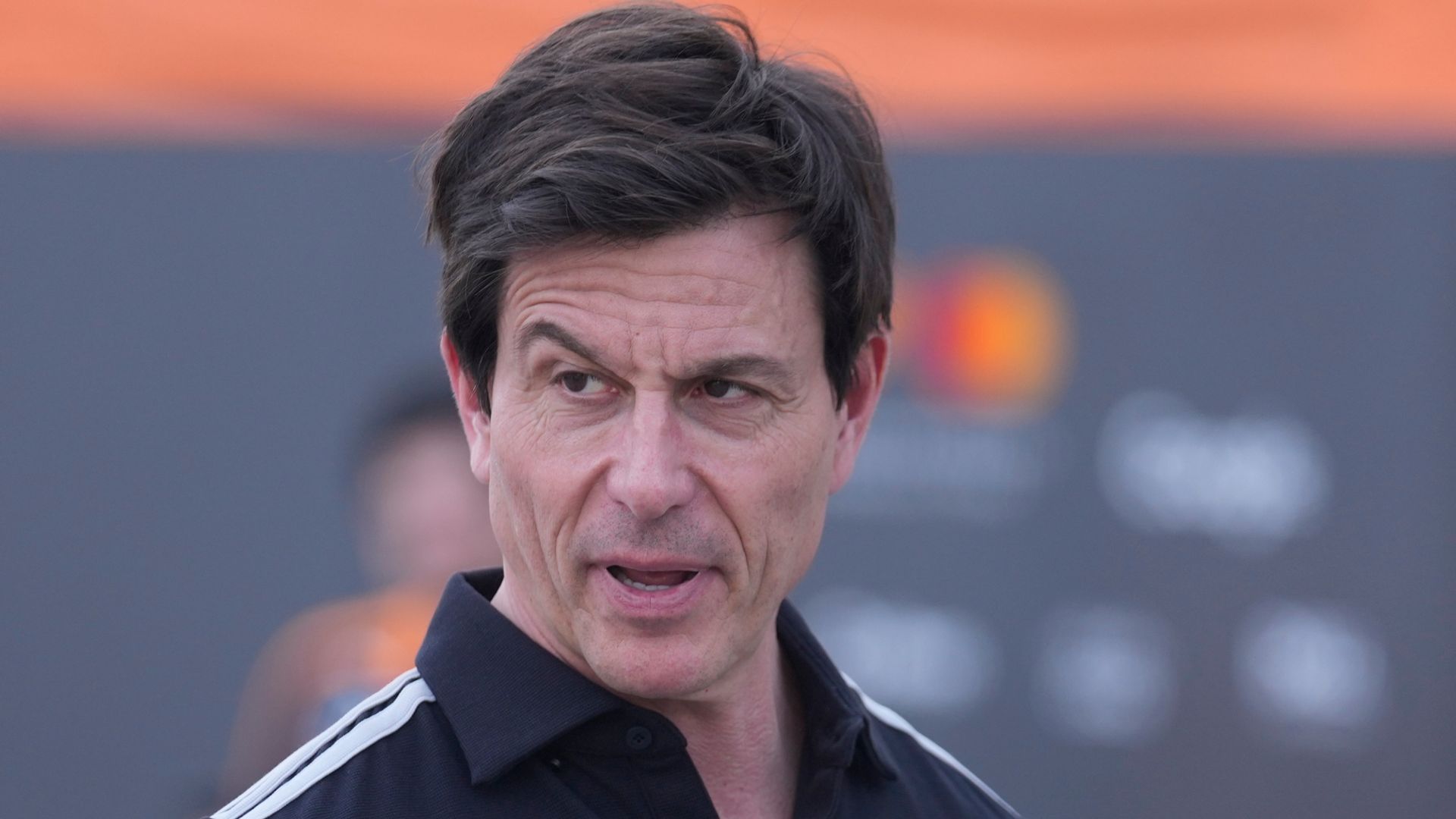
Wolff: Several F1 teams did not show full potential in Australia
#Toto Wolff #Mercedes #Australian Grand Prix #F1 teams #performance #strategy #underperformance
📌 Key Takeaways
- Mercedes team principal Toto Wolff believes multiple F1 teams underperformed in Australia.
- Wolff suggests teams may have been holding back performance for strategic reasons.
- The Australian Grand Prix results may not reflect true team capabilities.
- This implies potential for significant shifts in competitive order in upcoming races.
🏷️ Themes
Formula 1 Strategy, Team Performance
📚 Related People & Topics

Australian Grand Prix
Motor race held in Australia
The Australian Grand Prix is an annual Formula One motor racing event, taking place in Melbourne, Victoria. The event is contracted to be held at least until 2035. One of the oldest surviving motorsport competitions held in Australia, the Grand Prix has moved frequently with 23 different venues havi...

Toto Wolff
Austrian investor and motorsport executive (born 1972)
Torger Christian "Toto" Wolff (German pronunciation: [volf], born 12 January 1972) is an Austrian investor, motorsport executive and former racing driver. Since 2013, Wolff has served as team principal, CEO and co-owner of Mercedes in Formula One, winning eight consecutive World Constructors' Champi...
Entity Intersection Graph
Connections for Australian Grand Prix:
Mentioned Entities
Deep Analysis
Why It Matters
This revelation matters because it suggests the competitive order seen in Australia may not reflect true team capabilities, affecting championship predictions and fan expectations. It impacts teams' strategic planning as they must decide when to reveal their full performance potential during the season. This also influences sponsor relationships and media narratives about team competitiveness throughout the 2024 Formula 1 championship.
Context & Background
- Formula 1 teams often use early season races to gather data and hide their true performance capabilities before major upgrades
- The Australian Grand Prix is typically the third race of the F1 season, following Bahrain and Saudi Arabia
- Toto Wolff is the Team Principal and CEO of Mercedes-AMG Petronas Formula One Team, one of the sport's most successful teams
- Sandbagging (deliberately underperforming) has been a historical practice in F1 to hide development directions from competitors
- The 2024 season features new technical regulations that teams are still understanding and optimizing
What Happens Next
Teams will likely reveal more of their true performance potential at upcoming races like Imola or Barcelona, where major upgrade packages are traditionally introduced. The Chinese Grand Prix (April 21) will provide another data point before the European season begins. By the Spanish Grand Prix in June, the true competitive order should become clearer as teams stop hiding performance.
Frequently Asked Questions
Teams hide performance to conceal development directions from competitors and avoid giving away technical advantages early in the season. This allows them to surprise rivals later when championship points become more critical.
While not specified, Wolff likely refers to teams like Mercedes, Ferrari, and McLaren who may be holding back performance. Red Bull's dominance makes them less likely to hide capabilities, while smaller teams typically show their maximum from the start.
Fans can watch for inconsistent sector times, conservative race strategies, and drivers making unusual comments about car balance. Sudden performance jumps at specific circuits also suggest previously hidden capabilities.
Yes, early season standings may not reflect true competitiveness, potentially misleading about eventual championship outcomes. Teams sacrificing early points for development advantage could change the title fight dynamics later.
Yes, sandbagging is legal though controversial. The FIA monitors for actual rule violations, but strategic performance management falls within teams' competitive rights, similar to hiding development in testing sessions.