Coordinated U.S.-Israeli attacks on Iran have escalated into a regional conflict
International reactions are sharply divided between support and condemnation
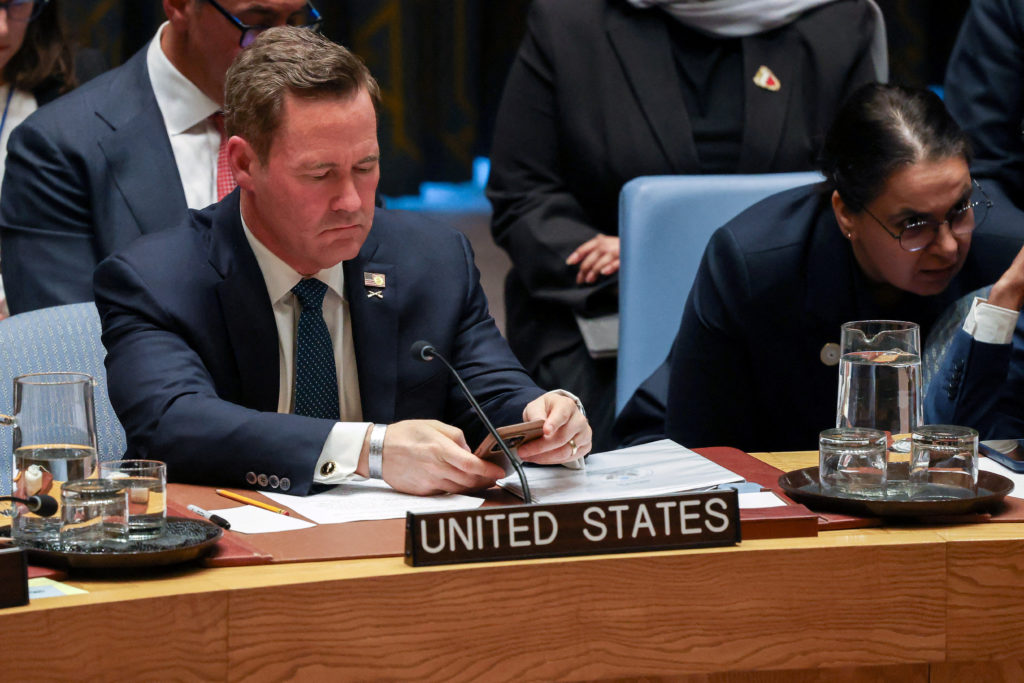
Diplomatic efforts intensify with UN Security Council emergency sessions
Human and economic impacts are growing as the conflict spreads
📖 Full Retelling
A shaken world reacted with anger and confusion Monday as coordinated U.S.-Israeli attacks on Iran over the weekend sprawled into a regional conflict, prompting international organizations including the U.N. Security Council to convene emergency sessions following the strikes that targeted Iran's nuclear program. The escalating violence has drawn in multiple allies of both sides, with Iran's armed proxies engaging and countries from the Gulf to Cyprus finding themselves in the line of fire as missiles and drones continued to fly. International responses to the crisis have been sharply divided, with some nations openly supporting the U.S.-Israeli action while others condemned it as a violation of international law. Canada and Australia expressed clear support for the strikes, while Russia accused the U.S. and Israel of using nuclear concerns as a pretext for regime change. The Arab League, which typically criticizes both Israel and Iran, singled out Iran's attacks as violations of sovereignty, reflecting the complex regional dynamics at play. Meanwhile, Japan sought to downplay economic concerns, noting its substantial oil reserves could sustain the country for months. Diplomatic efforts intensified as world leaders urged restraint and dialogue. British Prime Minister Keir Starmer, French President Emmanuel Macron and German Chancellor Friedrich Merz jointly called on the United States and Iran to resume talks over Iran's nuclear program while offering to help prevent further Iranian attacks. The head of the U.N. nuclear watchdog, Rafael Grossi, emphasized that dialogue would eventually be necessary, particularly as thousands of citizens from various countries found stranded or affected by the conflict. Oman, which had been facilitating the nuclear talks, condemned the U.S. action as a violation of international law while maintaining that diplomatic channels remained open.
🏷️ Themes
International diplomacy, Regional conflict, Nuclear proliferation
Iran's nuclear program, one of the most scrutinized in the world, has sparked intense international concern. While Iran asserts that its nuclear ambitions are purely for civilian purposes, including energy production, the country historically pursued the secretive AMAD nuclear weapons project (stopp...
The United Nations Security Council (UNSC) is one of the six principal organs of the United Nations and is charged with ensuring international peace and security. Its powers, outlined in the Charter of the United Nations, include establishing peacekeeping operations, imposing international sanctions...
By — Foster Klug, Associated Press Foster Klug, Associated Press Leave your feedback Share Copy URL Email Facebook Twitter LinkedIn Pinterest Tumblr Share on Facebook Share on Twitter World reacts as U.S.-Israeli attacks on Iran sprawl into regional war World Mar 2, 2026 11:42 AM EST TOKYO — A shaken world reacted with anger and confusion — and more involvement than expected, in some cases — Monday as the coordinated U.S.-Israeli attacks on Iran over the weekend sprawled into a regional war. READ MORE: Trump has spent years deriding foreign entanglements. Now, he's taken the U.S. to war with Iran The first details of possible effects on Iran's nuclear program, the issue at the center of the escalating conflict, began to emerge. More allies of the U.S. and Israel engaged, as did Iran's armed proxies. And countries from the Gulf to Cyprus found themselves in the line of fire. Fast-paced diplomacy was required as the missiles and drones kept coming. Borders closed, embassies emptied and allies sent military reinforcements. Open support, and some silence Many nations refrained from commenting directly on the initial U.S.-Israeli joint strikes but condemned Tehran's retaliation, perhaps mindful of U.S. President Donald Trump. Other governments criticized Iran's strikes on Arab neighbors while staying silent on the U.S. and Israeli military action. Canada — not shy about its frustration with the Trump administration — expressed open support for the U.S. strikes, along with Australia. Russia, China and Spain responded with sometimes sharp criticism. Russia's foreign ministry accused the U.S. and Israel of "hiding behind" concerns about Iran's nuclear program while actually pursuing regime change. India called for dialogue. "There will have to be a dialogue at some point," the head of the U.N. nuclear watchdog, Rafael Grossi, said. With thousands of citizens of countries around the world stranded at airports or on cruise ships, and some from countries like the Philippines a...