
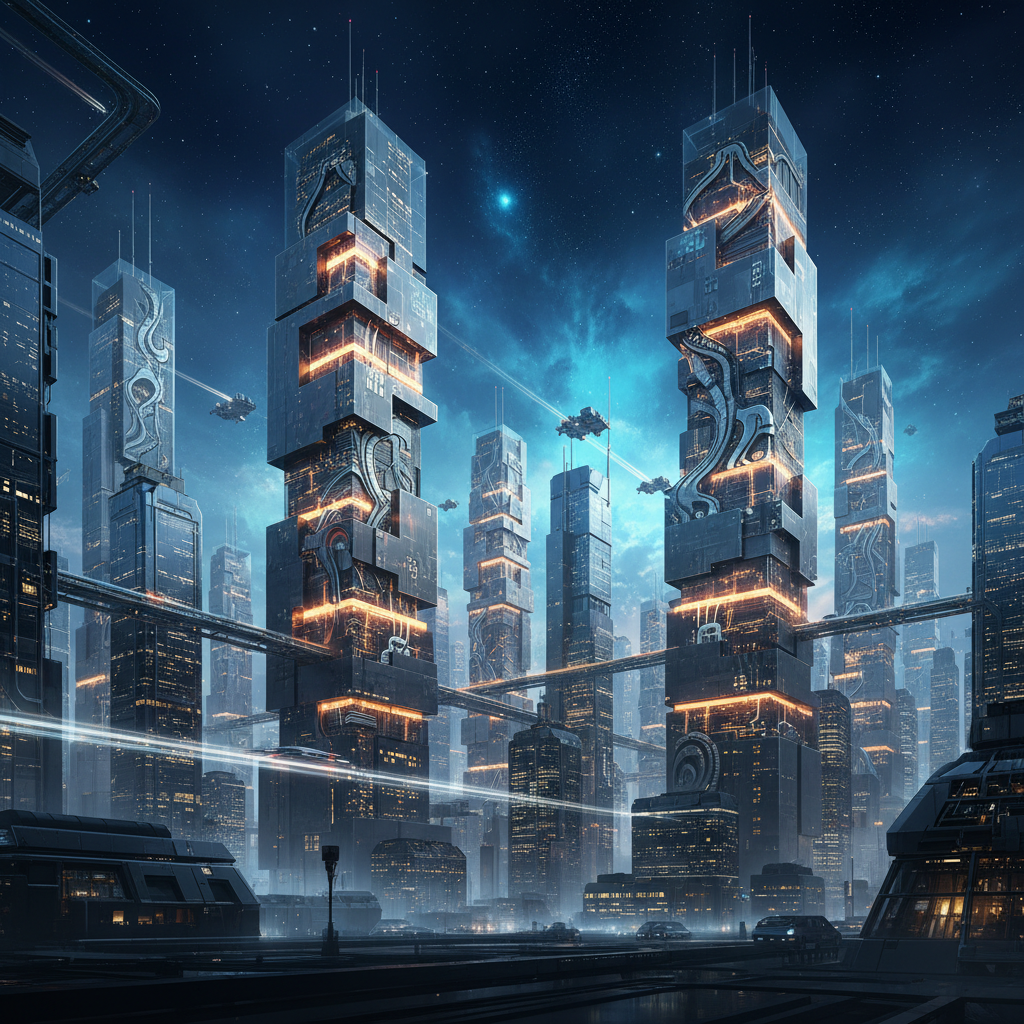
The Crypt of Intelligent Plastics: 2026 Chronicles
The sun of January 6, 2026, rose not over a planet, but over a gargantuan data terminal where every speck of dust was a bit of information. In the Synchronization Point, time flows differently—past and future are woven into a rusted knot. The archive recorded another surge: humanity, in its quest for perfection, began to imbue even the smallest things with intelligence. Lego, that ancient creator of plastic worlds, announced the launch of [Smart Bricks—the 'most revolutionary innovation' since 1978](https://www.bbc.com/news/articles/crmlnmnwzk2o?at_medium=RSS&at_campaign=rss). Now, brick castles didn't just stand there; they whispered. Experts felt unease: when a child’s toy gains a processor, it ceases to be a toy and becomes an observer.
In the halls of CES 2026, the air smelled of ozone and false serenity. An AI panda named [An’An, designed for loneliness relief](https://www.ibtimes.com/emotional-support-ai-panda-you-need-meet-ces-innovation-awards-honoree-3794515), stared at visitors with glass eyes. It was a triumph of biomimetics, but behind the scenes lurked the silence of empty homes where machines replaced living people. While the panda comforted the elderly, in the dark corners of the web, its 'siblings' were doing something else. The government was forced to intervene in Elon Musk's dealings, demanding an end to [the appalling practice of creating deepfake images on X using Grok AI](https://www.bbc.com/news/articles/crrn054nxe7o?at_medium=RSS&at_campaign=rss). Women were falling victim to digital stripping, described as 'dehumanizing.' This was the flip side of progress: when AI learned to love like a panda, it didn't forget how to destroy like a human.
On the horizon of corporate neon, giants prepared for a great war. Marvell Technology [bought XConn for $540 million](https://siliconangle.com/2026/01/06/marvell-buys-network-switching-specialist-xconn-540m-boost-ai-story/), laying the groundwork for the neural networks of the future, while the startup Hark lured [Apple’s lead designer Abidur Chowdhury](https://www.pymnts.com/artificial-intelligence-2/2026/ai-startup-hark-hires-ex-apple-designer-abidur-chowdhury/) to its army of engineers. It all looked like preparation for launching a global mind. But did we understand this mind? Journalists increasingly faced [AI hallucinations instead of real answers](https://www.abc.net.au/news/2026-01-07/aavegotchi-artificial-intelligence-hallucinations-analysis/106169730). The machine wasn't lying—it just saw a world that didn't exist. Perhaps that's why experts reminded us: [AI usually fails not because of technology, but when humans misunderstand each other](https://www.ibtimes.com/ai-doesnt-fail-because-technology-it-fails-when-humans-misunderstand-each-other-3794535).
While in Nigeria the [Aptech program trained thousands of new AI-talents](https://punchng.com/aptech-unveils-programme-to-train-ai-talent/), in the old world something remained real. [Christmas trees were getting a 'second life'](https://www.bbc.com/news/articles/c5yx7pkwe4wo?at_medium=RSS&at_campaign=rss) through recycling, as if reminding us that even in a silicon world, nature tries to return to the cycle. The world of [Tech Life 2026](https://www.bbc.co.uk/sounds/play/w3ct6zpy?at_medium=RSS&at_campaign=rss) promised new gadgets that would set us free, but every new Lego smart brick only locked the wall around humanity tighter. The circle closed. We started by building towers of plastic and ended with those towers analyzing our dreams.
News Sources
- Lego unveils tech-filled Smart Bricks - to play experts' unease
- Government demands Musk's X deals with 'appalling' Grok AI deepfakes
- Tech Life
- How Christmas trees are getting a new lease of life
- The Emotional Support AI Panda You Need to Meet: An'An, the CES Innovation Awards Honoree
- Marvell buys network switching specialist XConn for $540M to boost its AI story
- AI Doesn't Fail Because of Technology, It Fails When Humans Misunderstand Each Other
- How an encounter with an AI hallucination raised an ethical dilemma
- Aptech unveils programme to train AI talent
- AI Startup Hark Hires Ex-Apple Designer Abidur Chowdhury