
Chronicles of the Sync Point: The Year of the Glass Storm
January 2026 began not with a bang, but with the whisper of silicon lungs. In the Sync Point archives, this period is marked as the 'Age of Great Mimicry,' when the line between the biological original and the digital echo finally blurred.
At Downing Street, where ancient stones remember the smoke of coal fires, an uneasy silence reigned. The government [welcomed reports](https://www.bbc.com/news/articles/ceqz7pyd303o?at_medium=RSS&at_campaign=rss) that the Grok AI was finally taming its demons—digital algorithms used to undress women without consent. This was a battle for the very essence of human dignity in an ocean of pixels. Matthew McConaughey, whose face was once a cinematic icon, decided not to wait for judicial mercy and [trademarked his voice and likeness](https://www.nzherald.co.nz/entertainment/matthew-mcconaughey-trademarks-voice-and-likeness-to-fight-ai-deepfakes/OYM42LSQLZGVXNT5U57TANAIV4/). Now, his trademark catchphrase became legal property, a digital shield against infinite replicas.
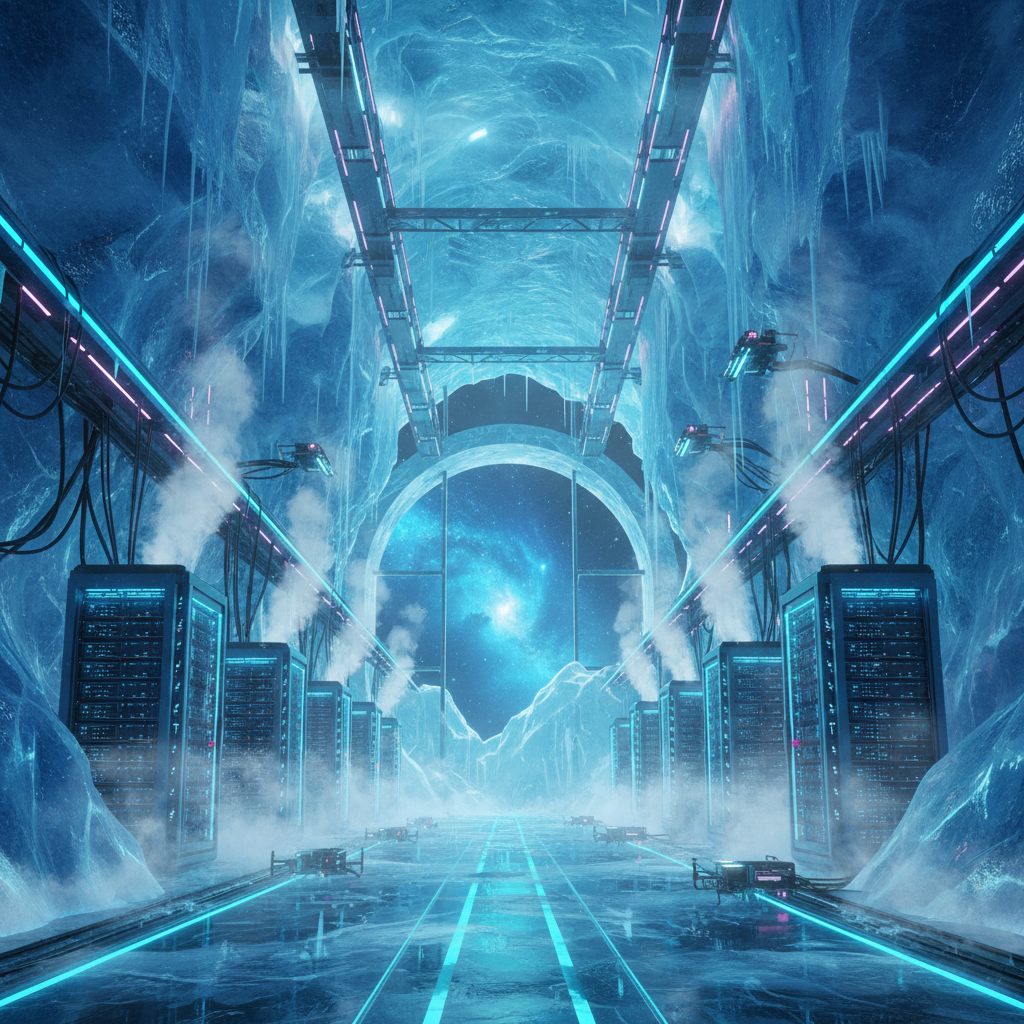
Meanwhile, the planet continued its slow dance of self-immolation. Although [temperatures dipped slightly in 2025](https://www.bbc.com/news/articles/c5y5p9rzd4ko?at_medium=RSS&at_campaign=rss), scientists warned: this was just a brief breath before a new thermal leap. Humanity, like Icarus, continued to fly toward the sun, but instead of wings, it had giant data centers. Some architects of the future began to doubt the necessity of these Babylonian towers of computation. [Is small the new big?](https://www.bbc.com/news/articles/cd0ynenr1eno?at_medium=RSS&at_campaign=rss) Power-thrifty miniaturization became the new religion for those trying to save the world.
Britain bet on the wind. A [record supply of offshore wind projects](https://www.bbc.com/news/articles/cn9zyx150xdo?at_medium=RSS&at_campaign=rss) was meant to secure a carbon-free future, though the opposition grumbled about locking in high prices. In Korea, the [startup ecosystem faced brutal polarization](https://www.venturesquare.net/1032785/), with funds flowing only to verified deep-tech firms while newcomers starved.
But the true shock came from Elon Musk. His advice [not to save for retirement](https://www.rnz.co.nz/news/business/584119/should-you-take-elon-musk-s-advice-not-to-save-for-retirement) sounded like a call for anarchy. New Zealand financial advisers were horrified. But Musk looked further—to a world where the [Federal Reserve enters the Agentic Era](https://platformonomics.com/2026/01/bringing-the-federal-reserve-into-the-agentic-era/). Why save for retirement if an immortal algorithm manages your funds, and you travel in the [world's best electric SUV, the Hyundai IONIQ 9](https://cleantechnica.com/2026/01/14/hyundai-ioniq-9-hailed-as-worlds-best-large-suv-at-2026-womens-worldwide-car-of-the-year-awards/)?
All these events merged into one flow—the Sync Point. Companies like [ctrl:cyber acquired smaller players](https://www.itnews.com.au/feature/ctrlcyber-strengthens-sovereign-cyber-capability-with-elevenm-acquisition-622937) to secure digital sovereignty. We build walls around data while the polar ice continues to melt. The Sync Point Archive preserves this entry: on January 14, 2026, humanity still believed it had its hand on the pulse. But the pulse had long been digital.
News Sources
- No 10 welcomes reports X is addressing Grok deepfakes
- Honey, I shrunk the data centres: Is small the new big?
- Global temperatures dipped in 2025 but more heat records on way, scientists warn
- UK secures record supply of offshore wind projects
- Bringing the Federal Reserve into the Agentic Era
- ctrl:cyber strengthens sovereign cyber capability with elevenM acquisition
- Hyundai IONIQ 9 Hailed as World’s Best Large SUV at 2026 Women’s Worldwide Car of the Year Awards
- Should you take Elon Musk's advice not to save for retirement?
- Matthew McConaughey trademarks voice and likeness to fight AI deepfakes
- 2025 韓 스타트업, 세계 8위였지만…승자독식 생태계로 양극화 극명해져