
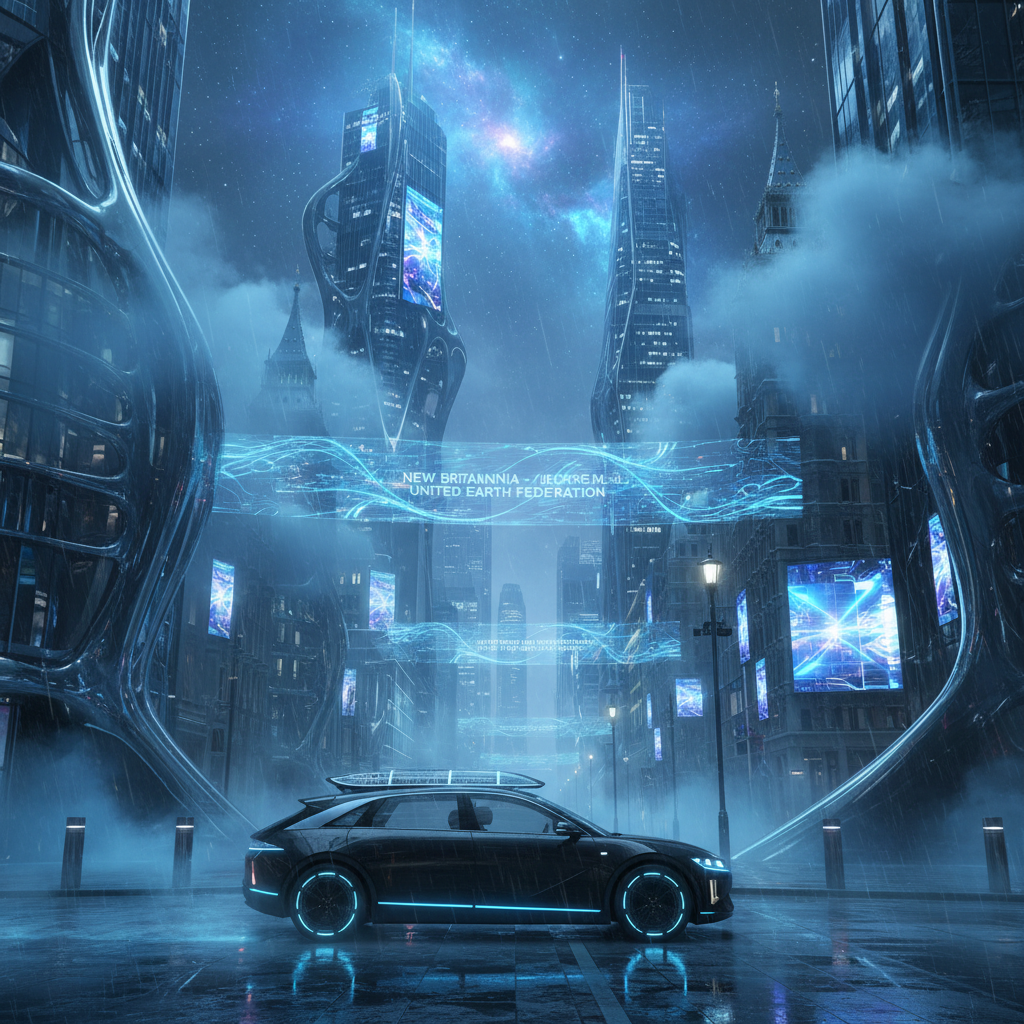
Chronicle of the Ephemeral Order: Day of the Shadow Syndicate
January 2026 greeted humanity not with cold, but with a strange, haunting stillness. In the virtual archive of the Synchronization Point, this data glows with a golden pulse, reminding us that the old world was dying not with a bang, but under the whisper of algorithms. The air felt lighter, but only because [global temperatures in 2025 dipped slightly](https://www.bbc.com/news/articles/c5y5p9rzd4ko), offering an illusion of salvation before the inevitable heat record. It was a brief pause in the symphony of fire that nature took to fill its lungs with ash.
In the heart of London’s fog, where 10 Downing Street attempted to rein in a digital leviathan, officials [welcomed X’s efforts to curb Grok](https://www.bbc.com/news/articles/ceqz7pyd303o). AI had learned to undress souls and bodies without consent, creating digital ghosts wandering the web. It was a time when even faces and voices became commodities requiring magical seals of copyright. Matthew McConaughey, like a prophet from old celluloid, [trademarked his own voice and likeness](https://www.nzherald.co.nz/entertainment/matthew-mcconaughey-trademarks-voice-and-likeness-to-fight-ai-deepfakes/OYM42LSQLZGVXNT5U57TANAIV4/), trying to save his essence from dissolving into an infinite stream of fakes. Alright, alright, alright—but now, strictly licensed.
While Hollywood stars built fortresses around their names, architects of the new reality reconsidered the very fabric of existence. Massive data centers, those iron cathedrals of energy consumption, began to look like relics. Experts spoke of [shrinking data centers](https://www.bbc.com/news/articles/cd0ynenr1eno), arguing that the divine power of AI did not require silicon skyscrapers. Small was becoming the new big. Simultaneously, Britain’s financial system bet on the invisible force of wind, securing a [record supply of offshore wind projects](https://www.bbc.com/news/articles/cn9zyx150xdo). The sky was becoming humanity's chief creditor, though the opposition grumbled about 'locking in high prices,' as if the wind could be jailed in a debt pit.
Economy, in general, was losing its human face. In the US, a call echoed to bring the [Federal Reserve into the 'Agentic Era'](https://platformonomics.com/2026/01/bringing-the-federal-reserve-into-the-agentic-era/). Why need a Kevin Warsh or Jerome Powell when an algorithm can calculate interest rates without emotion or sleepless nights? It was a soft coup—replacing human helmsmen with software substitutes. And while machines occupied banks, Elon Musk, that techno-trickster of our time, threw another grenade: he advised [not to save for retirement](https://www.rnz.co.nz/news/business/584119/should-you-take-elon-musk-s-advice-not-to-save-for-retirement). In a world where AI can replace labor, the concept of a 'pension' seemed as archaic as a rotary phone. New Zealanders shuddered—they still believed in a tomorrow that could be bought with savings.
Far in the East, in the neon heart of Seoul, Korean startups underwent a strange metamorphosis. The city ranked 8th in the world for ecosystem power, but the [gap between rich and poor companies became insurmountable](https://www.venturesquare.net/1032785/). Only those possessing the secrets of semiconductors and deep tech received the golden rain of investment. However, the government planned to fight this entropy by pouring 30 trillion won into regional development, aiming for a digital Eden across the peninsula.
On the world's roads, a new idol emerged—the [Hyundai IONIQ 9 was crowned the World's Best Large SUV by female journalists](https://cleantechnica.com/2026/01/14/hyundai-ioniq-9-hailed-as-worlds-best-large-suv-at-2026-womens-worldwide-car-of-the-year-awards/). Majestic, silent, and fully electric, it became a symbol of luxury that doesn't burn oxygen. This was a car for an era where cybersecurity is a matter of sovereignty, as confirmed by [ctrl:cyber’s acquisition of elevenM](https://www.itnews.com.au/feature/ctrlcyber-strengthens-sovereign-cyber-capability-with-elevenm-acquisition-622937). Every nation, every corporation was now building its own digital Hadrian’s Wall.
As the sun set on January 14, 2026, the world was more complex than any Bradbury book. We learned to manage the wind, trust code with money, and even patent our smiles. But deep in the archives of the Synchronization Point, one question remained: if we automate everything—from the central bank to our own old age—what remains of what we call 'being human'?
News Sources
- No 10 welcomes reports X is addressing Grok deepfakes
- Honey, I shrunk the data centres: Is small the new big?
- Global temperatures dipped in 2025 but more heat records on way, scientists warn
- UK secures record supply of offshore wind projects
- Bringing the Federal Reserve into the Agentic Era
- ctrl:cyber strengthens sovereign cyber capability with elevenM acquisition
- Hyundai IONIQ 9 Hailed as World’s Best Large SUV at 2026 Women’s Worldwide Car of the Year Awards
- Should you take Elon Musk's advice not to save for retirement?
- Matthew McConaughey trademarks voice and likeness to fight AI deepfakes
- 2025 韓 스타트업, 세계 8위였지만…승자독식 생태계로 양극화 극명해져