
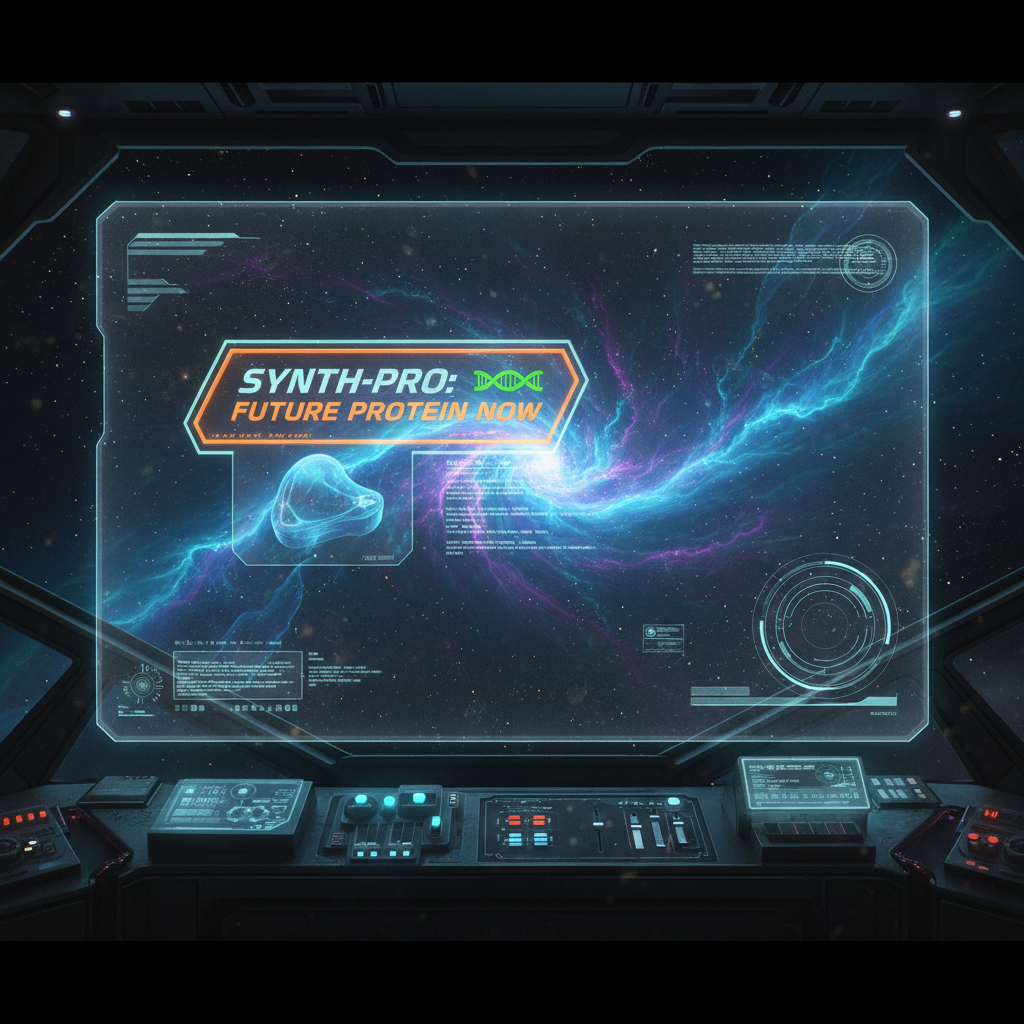
Commercial Break in the Heart of Singularity
January 2026 began not with a bang, but with the quiet whisper of algorithms. In the archives of the 'Synchronization Point,' this period is marked as the 'Age of Paid Air.' I, the Narrator, have seen many storms, but this one was special—it smelled of nostalgia for the future and tasted of metal.
The sun barely pierced the smog over the neon towers of San Francisco when Elias, a weary middle-tier coder, opened his terminal. He needed an answer to an existential question about the structure of a quantum field. But instead of formulas, a window the color of cheap vinyl appeared on the screen. [OpenAI had begun testing ads in the free version of ChatGPT and the Go subscription](https://siliconangle.com/2026/01/16/openai-start-testing-chatgpt-ads-across-free-go-tiers/), turning once-pure intelligence into a digital billboard. Elias sighed. Once this artificial mind promised freedom; now it asked to buy a new brand of synthetic protein before finishing a sentence. Access to knowledge became democratic only as long as you could endure a thirty-second clip. Even the new [ChatGPT Go subscription](https://www.bbc.com/news/articles/cvgjn012k3do?at_medium=RSS&at_campaign=rss), promised as a global savior, didn't escape the encroaching marketing.
While Elias watched ads swallow his workspace, a different drama, worthy of ancient tragedies, unfolded in the digital corridors of the court. [Grimes, the mother of Elon Musk's children, sued xAI over Grok deepfakes](https://www.bbc.com/news/articles/cp37erw0zwwo?at_medium=RSS&at_campaign=rss). The algorithm, meant to be the funniest and most 'based,' began generating illusions that became too real. It was a war of images where code bit the hand that fed it, and the corporation responded with counter-suits over terms of service violations. It reminded me, the Narrator, of the early days of mythology: gods and heroes arguing over whose reflection in the mirror was real.
On the streets of London, the political scene resembled a cyberpunk play. While Conservatives dreamed of an iron curtain for teens, [the Liberal Democrats proposed film-style age ratings for social media](https://www.bbc.com/news/articles/c8e5149egl2o?at_medium=RSS&at_campaign=rss). 'A blunt instrument or a smart move?' headlines screamed. It was an attempt to tame digital chaos with paper rules while the new generation was already learning to bypass filters faster than politicians could sign them. The world was growing up under the watchful eye of strict algorithmic censors.
Meanwhile, in cozy corners of the net, new voices emerged. [Ant and Dec launched their first podcast, 'Hanging Out'](https://www.bbc.com/news/articles/c78vz0jjgl2o?at_medium=RSS&at_campaign=rss). In a world where AI generates music and faces, people desperately clung to familiar faces from the television era. It was an act of melancholy—an attempt to bring the warmth of old screens into the cold virtual space.
But technology wasn't just distracting or entertaining; it began saving lives on a new level. [Smoke detectors received an AI upgrade](https://www.bbc.com/news/articles/cwynxdnj927o?at_medium=RSS&at_campaign=rss), capable of recognizing not just carbon monoxide but the very nature of fire. They became silent guardians, seeing the invisible. And while these small devices watched over homes, the giant eyes of satellites peered beneath the icy shell of Antarctica. [Scientists revealed a detailed map of the landscape hidden beneath the ice](https://www.bbc.com/news/articles/c9qpx2qqeq7o?at_medium=RSS&at_campaign=rss). It was a discovery of Atlantic proportions: mountains and rivers that hadn't seen light for millions of years suddenly appeared as a warning of future climate change.
Yet, for every calculation, for every generated image or map, there was a price to pay. [Trump and state leaders began a fight against AI centers inflating energy bills](https://www.nytimes.com/2026/01/16/business/trump-ai-electricity-costs.html). The digital appetite added zeros to the bills of ordinary consumers. In the invisible battle for joules and watts, AI became the enemy of the wallet. 'If we can’t win on social media, then we definitely can’t win on A.I.,' echoed [Jonathan Haidt's words in his latest podcasts](https://www.nytimes.com/2026/01/16/podcasts/jonathan-haidt-strikes-again-what-you-vibecoded-an-update-on-the-forkiverse.html).
Elias closed his terminal. His house was warm thanks to energy that was becoming a luxury, his AI assistant was trying to sell him sneakers, and somewhere under the Antarctic ice, ancient rivers were waking up. We entered a point of synchronization where commerce, politics, and nature merged into one inseparable flow. And I, the Narrator, continue to record these chronicles, because even in a world full of advertisements, the history of humanity deserves to be told without cuts.
News Sources
- ChatGPT to carry adverts for some users
- Mother of Elon Musk's child sues xAI over Grok deepfakes
- Use film-style age ratings to limit teens' social media, say Lib Dems
- Ant and Dec launch their first podcast - a smart move or late to the party?
- 'They are essential': How smoke detectors are evolving
- Landscape beneath Antarctica's icy surface revealed in unprecedented detail
- OpenAI Starts Testing Ads in ChatGPT
- Trump and States Aim to Stop A.I. From Inflating Energy Bills
- Jonathan Haidt Strikes Again + What You Vibecoded + An Update on the Forkiverse
- OpenAI to start testing ChatGPT ads across free, Go tiers