
As mosquito ranges expand, better monitoring is key to preventing disease
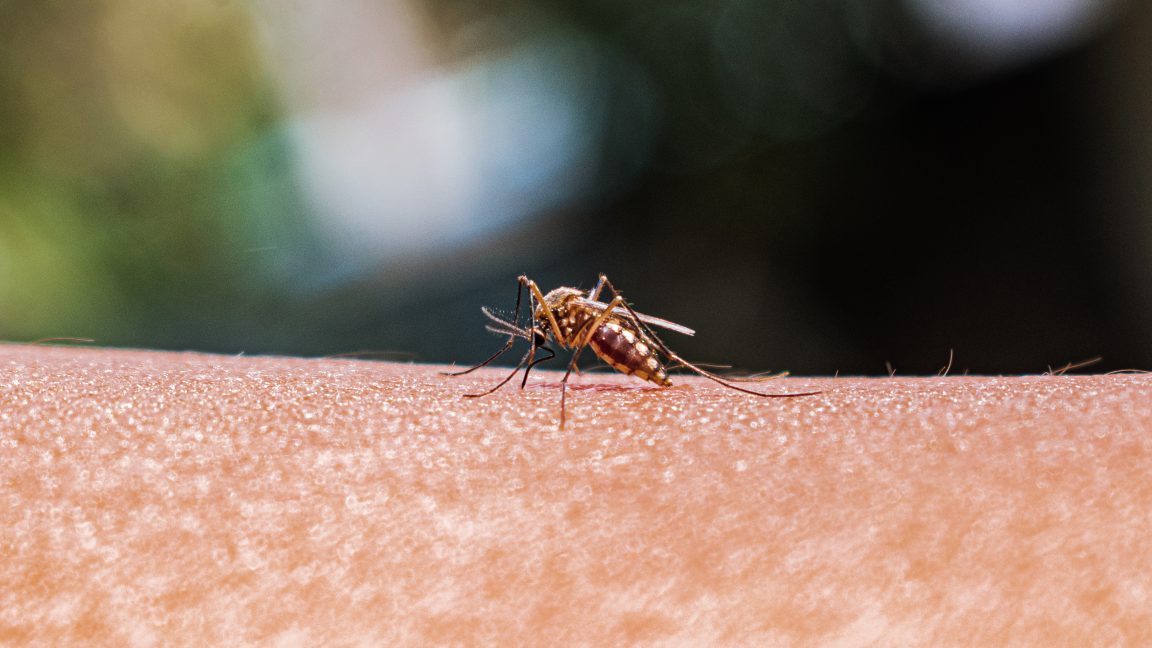
With summer heat comes pool parties, beach days, backyard cookouts, and, of course, swarms of bloodthirsty mosquitoes. But while insect bites have always been a side effect of time spent outdoors, the species doing the biting are changing in historically temperate regions like New England.
Reported by 1 outlet — Ars Technica. See all sources ↓
With summer heat comes pool parties, beach days, backyard cookouts, and, of course, swarms of bloodthirsty mosquitoes. But while insect bites have always been a side effect of time spent outdoors, the species doing the biting are changing in historically temperate regions like New England. As climate change makes these areas warmer and wetter, their ranges are expanding—and any diseases they carry come with them. In Connecticut, for example, a statewide mosquito monitoring program has detected 54 different species, including invasives like the Asian tiger mosquito, which can transmit potentially serious diseases including dengue and Zika.
Read the full report at Ars Technica ↗
Why it matters
A world story we're tracking; its significance and source trust firm up as more outlets confirm it.
- What's the story?
- With summer heat comes pool parties, beach days, backyard cookouts, and, of course, swarms of bloodthirsty mosquitoes. But while insect bites have always been a side effect of time spent outdoors, the species doing the biting are changing in historically temperate regions like New England.
- How widely is it covered?
- 1 outlet, average source rating 7.0/10.
- When was it last updated?
- 9m ago.
How outlets are framing the same story
Here's how each outlet is covering the story — compare their headlines and timing at a glance.
- Coverage card1 outlet1CoverageScouting report
As mosquito ranges expand, better monitoring is key to preventing disease
Sources1TypeCoverageArs Technica