
Framework Laptop 13 Pro review: Much better battery, much worse price
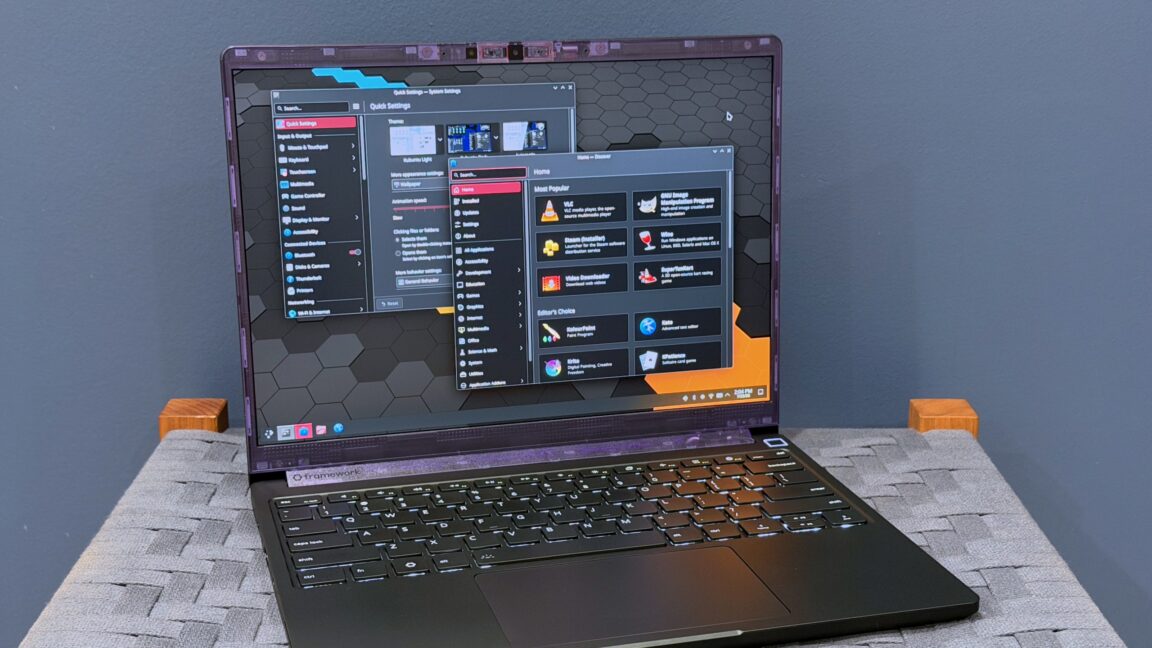

I've liked the Framework Laptop 13 since the first time I used it, partly because I just think the idea of a repairable and upgradeable laptop is cool and partly because it's not Yet Another Ultraportable Trying To Be A MacBook Air Clone. But the design has always had real shortcomings—the most noticeable and serious being its mediocre battery life.
Reported by 2 outlets — Ars Technica, The Verge. See all sources ↓
I've liked the Framework Laptop 13 since the first time I used it, partly because I just think the idea of a repairable and upgradeable laptop is cool and partly because it's not Yet Another Ultraportable Trying To Be A MacBook Air Clone. But the design has always had real shortcomings—the most noticeable and serious being its mediocre battery life. Enter the Framework Laptop 13 Pro. While all previous Laptop 13 refreshes have tinkered around the edges with the original design (a tweaked lid design here, new hinges or new speakers there), the Laptop 13 Pro is as close as we've gotten to a second-generation revision for the original design.
Read the full report at Ars Technica ↗
Why it matters
2 outlets are covering this world story — one to watch as reporting develops.
- What's the story?
- I've liked the Framework Laptop 13 since the first time I used it, partly because I just think the idea of a repairable and upgradeable laptop is cool and partly because it's not Yet Another Ultraportable Trying To Be A MacBook Air Clone. But the design has always had real shortcomings—the most noticeable and serious being its mediocre battery life.
- How widely is it covered?
- 2 outlets, average source rating 6.5/10.
- When was it last updated?
- 2m ago.
How outlets are framing the same story
Here's how each outlet is covering the story — compare their headlines and timing at a glance.
- Coverage card2 outlets1CoverageScouting report
This is my new favorite laptop, but thanks to RAMageddon it already went up in price by $800
Sources2TypeCoverageArs Technica
The Verge