
Just Pay the NIMBYs
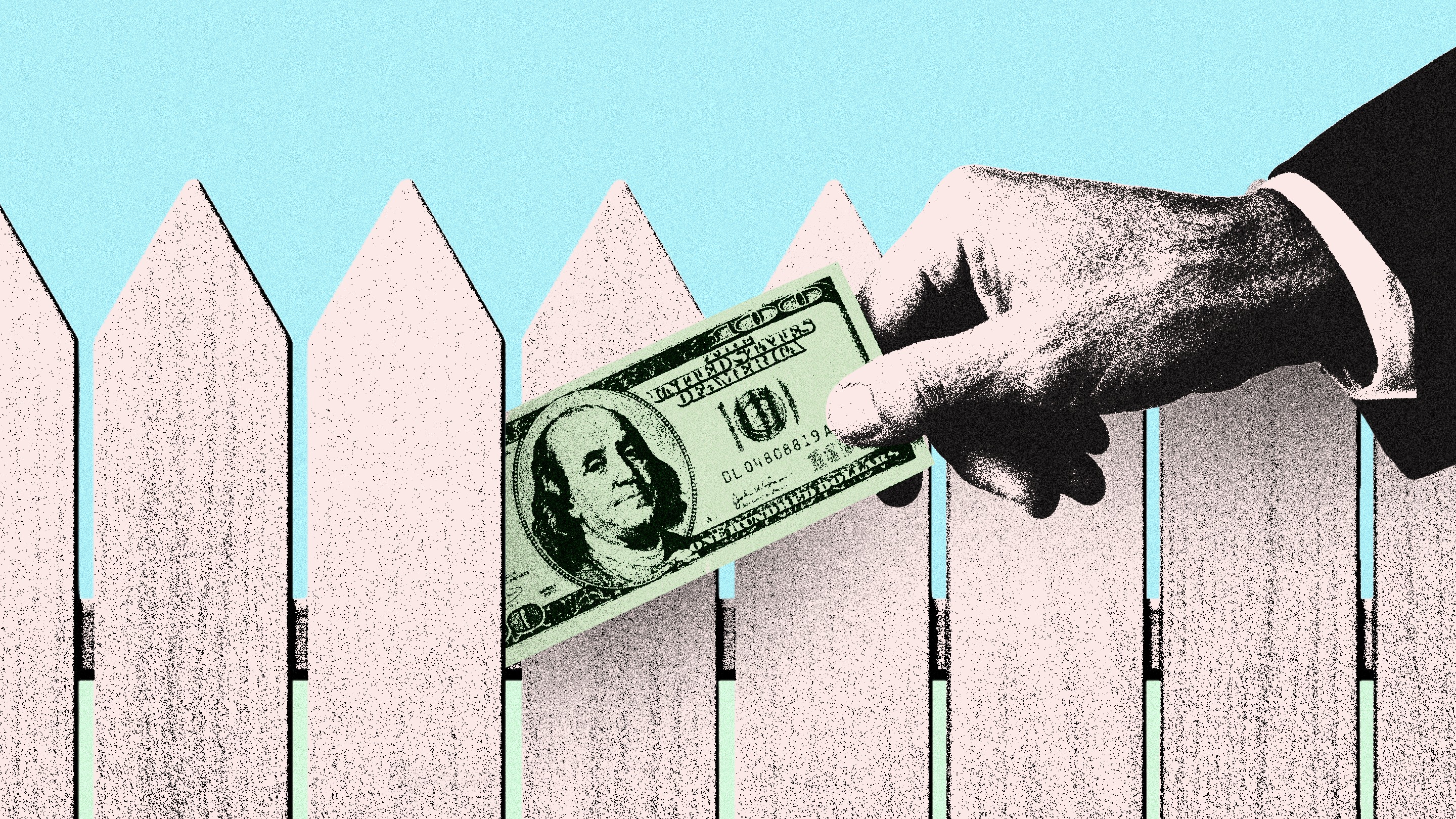
Just about every effort to solve America’s housing shortage runs into the iron law of NIMBY: “not in my backyard.” Whenever a development is proposed in a place where people already live, existing residents erupt in opposition, claiming the new homes will alter “neighborhood character,” increase traffic, and hurt property values. Those who would benefit the most from new housing, meanwhile, don’t yet live in the community and thus have no say in the political process.
Reported by 1 outlet — The Atlantic. See all sources ↓
Just about every effort to solve America’s housing shortage runs into the iron law of NIMBY: “not in my backyard.” Whenever a development is proposed in a place where people already live, existing residents erupt in opposition, claiming the new homes will alter “neighborhood character,” increase traffic, and hurt property values. Those who would benefit the most from new housing, meanwhile, don’t yet live in the community and thus have no say in the political process. This creates an asymmetry that’s hard to overcome. Even reforms passed at the state level to override local building restrictions keep failing, because NIMBYs find clever ways to work around them.But a new approach might finally offer a way out of the impasse: If you can’t beat the NIMBYs, pay them.In recent months, several Democratic Party–aligned think tanks have released proposals that share the same basic structure: If a local community approves enough new homes for construction, then each resident of that community receives a check from the federal government worth thousands of dollars.
Read the full report at The Atlantic ↗
Why it matters
A world story we're tracking; its significance and source trust firm up as more outlets confirm it.
- What's the story?
- Just about every effort to solve America’s housing shortage runs into the iron law of NIMBY: “not in my backyard.” Whenever a development is proposed in a place where people already live, existing residents erupt in opposition, claiming the new homes will alter “neighborhood character,” increase traffic, and hurt property values. Those who would benefit the most from new housing, meanwhile, don’t yet live in the community and thus have no say in the political process.
- How widely is it covered?
- 1 outlet, average source rating 8.0/10.
- When was it last updated?
- 8m ago.
How outlets are framing the same story
Here's how each outlet is covering the story — compare their headlines and timing at a glance.
- Coverage card1 outlet1CoverageScouting report
Just Pay the NIMBYs
Sources1TypeCoverageThe Atlantic