
NASA’s Curiosity Discovers a Field of Martian Polygons

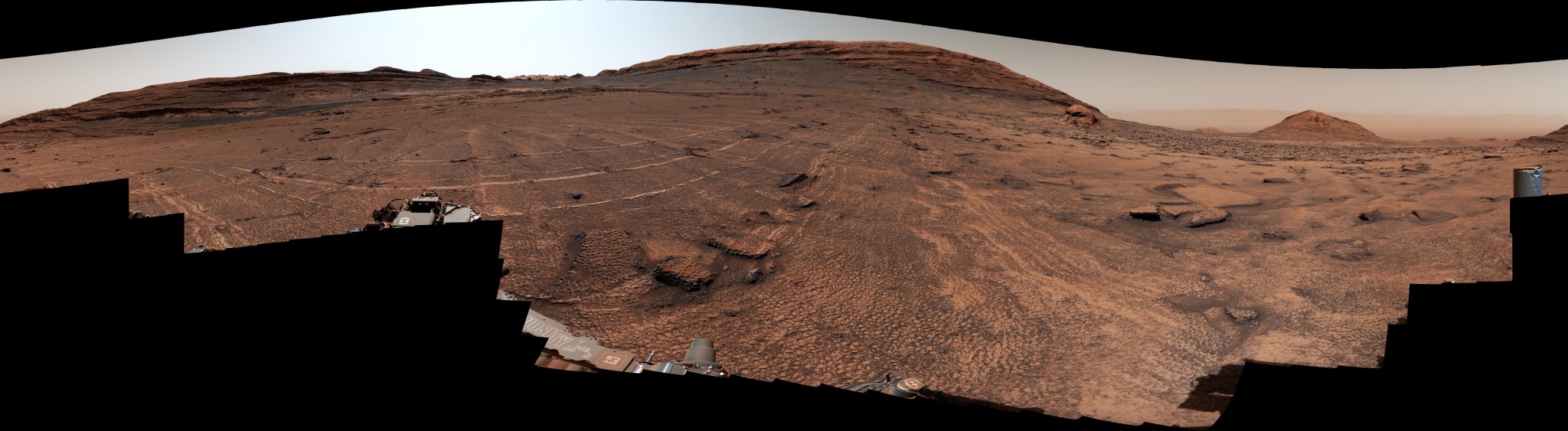
NASA's Curiosity Mars rover discovered a large field of honeycomb-like textures called polygonal fractures on Mars.
Reported by 2 outlets — NASA. See all sources ↓
NASA's Curiosity Mars rover found a big area on Mars with honeycomb-like shapes. These shapes are called polygonal fractures. They are about 1.5 to 3 inches across. The rover saw them in a Martian valley called Valle Grande.
Why it matters
This discovery is important because it helps scientists learn more about the geology of Mars and how it was formed.
- What did NASA's Curiosity Mars rover discover?
- A large field of honeycomb-like textures called polygonal fractures.
- Where did the rover find these shapes?
- In a Martian valley called Valle Grande.
- How big are the polygonal fractures?
- About 1.5 to 3 inches across.
How outlets are framing the same story
These are the main editorial angles found across reporting. Use them to quickly compare what different outlets emphasize, omit, or question.
The outlets frame the story as a scientific discovery, focusing on the rover's findings and their significance. NASA's outlets use more technical language, while the other outlet provides a brief mention of the rover's preparations for a moonwalk.
- Coverage cardFraming signal1AngleScouting report
NASA's Curiosity Mars rover discovers a large field of polygonal fractures on Mars.
Sources1TypeAngleNASATechnical details and scientific significance
- Coverage cardFraming signal2AngleScouting report
NASA's Curiosity rover finds honeycomb-like textures on Mars.
Sources1TypeAngle