
NASA’s Hubble Discovers First of Star Cluster’s Missing Black Holes
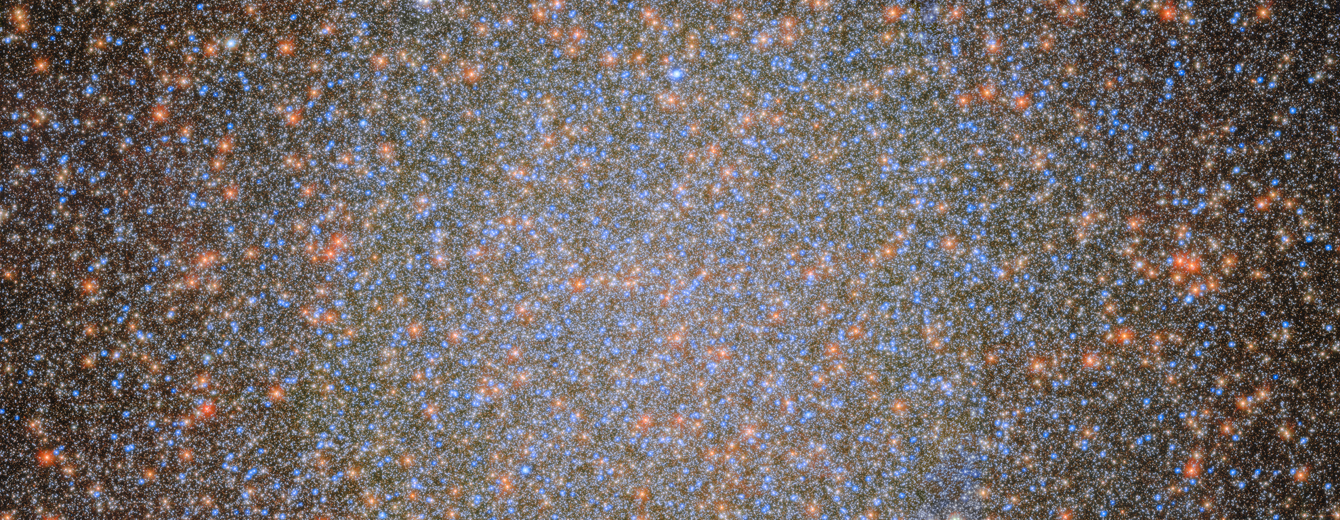
NASA's Hubble Space Telescope found the first black holes in a specific star cluster. These black holes were thought to be missing from the cluster before this discovery. This finding helps scientists understand how stars and their dark companions form.
Reported by 1 outlet — NASA. See all sources ↓
Hubble, NASA's space telescope, made an important discovery. It found some black holes inside a group of stars called a star cluster. Scientists did not know these black holes existed before. This new information is very helpful for astronomy.
Why it matters
This discovery helps us learn more about the universe. It shows how many 'invisible' objects are hiding among bright stars.
- What did Hubble find?
- Hubble found the first black holes in a star cluster.
- Why were these black holes 'missing'?
- Scientists thought they were not there before this discovery.
- What is a star cluster?
- It is a group of stars that are together in space.
How outlets are framing the same story
These are the main editorial angles found across reporting. Use them to quickly compare what different outlets emphasize, omit, or question.
All outlets frame the story very similarly. They all focus on the core fact: Hubble found missing black holes in a star cluster.
- Coverage cardFraming signal1AngleScouting report
The main discovery itself (finding the first missing black holes).
Sources1TypeAngleNASADirectly reports the finding.
- Coverage cardFraming signal2AngleScouting report
Highlighting Hubble's role and capabilities.
Sources1TypeAngle - Coverage cardFraming signal3AngleScouting report
Providing context on the science behind the finding.
Sources1TypeAngle