
Oil Prices Tick Higher as U.S. Reinstates Iran Blockade
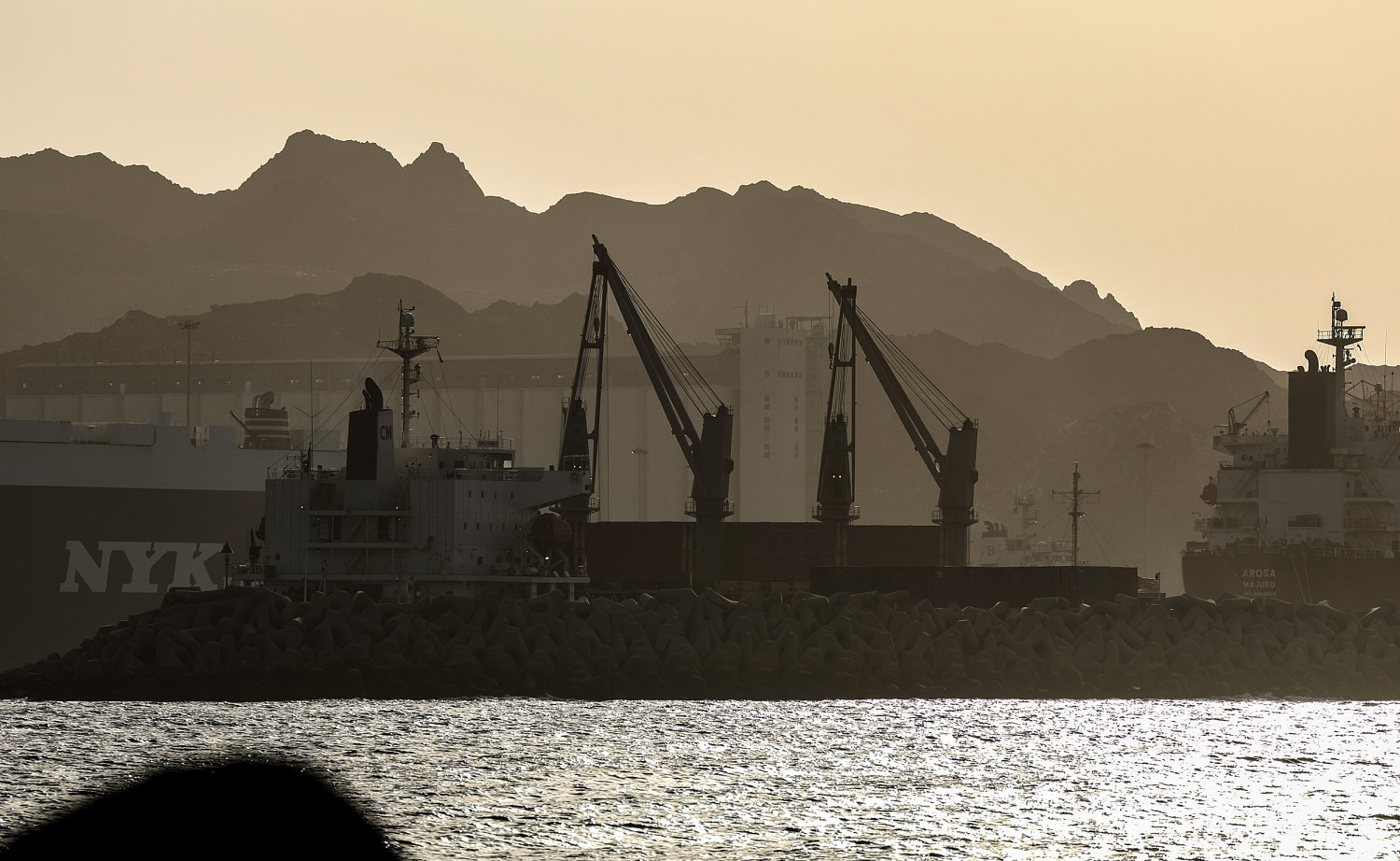
The United States reinstated its naval blockade on Iranian ports in the Strait of Hormuz and launched new military strikes against Iran. This action has caused oil prices to rise as tensions increase between the two nations.
Reported by 3 outlets — NYT Business, NBC News, CNBC Top News. See all sources ↓
The U.S. started blocking Iranian ports again. This is called a 'naval blockade.' The U.S. also began striking targets in Iran. These events are making oil prices go up. Tensions between the countries are very high.
Why it matters
Because of this, the price of gasoline might go up for people. It shows that the conflict between the U.S. and Iran is getting worse.
- What did the U.S. do?
- The U.S. restarted its blockade on Iranian ports.
- Where is this happening?
- This is mainly happening in the Strait of Hormuz waterway.
- Why are oil prices rising?
- Oil prices are rising because of the renewed tension and blockade.
How outlets are framing the same story
These are the main editorial angles found across reporting. Use them to quickly compare what different outlets emphasize, omit, or question.
Most outlets focus on the simultaneous actions: the U.S. restarting the blockade AND launching strikes, which directly causes oil prices to rise.
- Coverage cardFraming signal1AngleScouting report
Focus on Blockade & Oil Price Rise (The main economic impact)
Sources2TypeAngleNYT BusinessOil Prices Tick Higher as U.S. Reinstates Iran Blockade
CNBC Top NewsOil rises as U.S. continues to strike Tehran, reinstates blockade