
Reaction wheel failures leave Swift rescue mission spinning in orbit
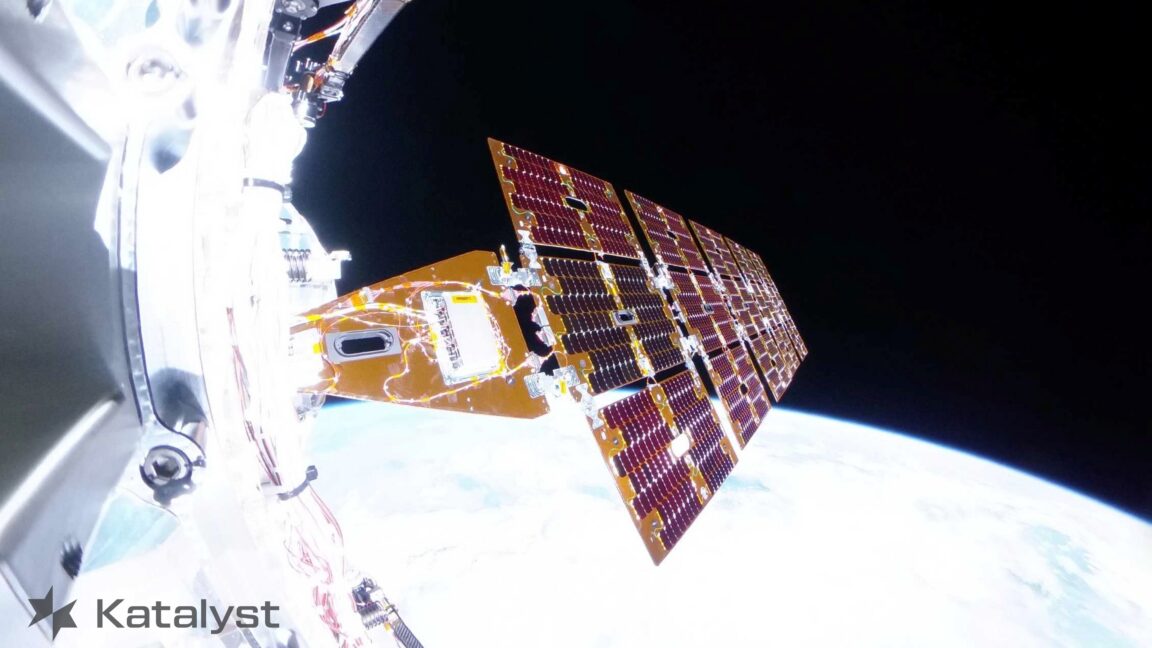
Nearly a month since its launch, a first-of-its-kind commercial satellite built to save NASA's Swift gamma-ray telescope from a fiery reentry is having problems of its own, the agency announced Tuesday. The Link satellite developed by Katalyst Space Technologies "experienced issues with attitude control" over the weekend, NASA said, causing the spacecraft to spin and resulting in sporadic communications.
Reported by 1 outlet — Ars Technica. See all sources ↓
Nearly a month since its launch, a first-of-its-kind commercial satellite built to save NASA's Swift gamma-ray telescope from a fiery reentry is having problems of its own, the agency announced Tuesday. The Link satellite developed by Katalyst Space Technologies "experienced issues with attitude control" over the weekend, NASA said, causing the spacecraft to spin and resulting in sporadic communications. "Preliminary investigation shows that two of Link's three reaction wheels currently are not operable, and there is some loss of functionality in its cold gas thruster system," NASA said.Read full article Comments
Read the full report at Ars Technica ↗
Why it matters
A technology story we're tracking; its significance and source trust firm up as more outlets confirm it.
- What's the story?
- Nearly a month since its launch, a first-of-its-kind commercial satellite built to save NASA's Swift gamma-ray telescope from a fiery reentry is having problems of its own, the agency announced Tuesday. The Link satellite developed by Katalyst Space Technologies "experienced issues with attitude control" over the weekend, NASA said, causing the spacecraft to spin and resulting in sporadic communications.
- How widely is it covered?
- 1 outlet, average source rating 7.0/10.
- When was it last updated?
- 14h ago.
How outlets are framing the same story
Here's how each outlet is covering the story — compare their headlines and timing at a glance.
- Coverage card1 outlet1CoverageScouting report
Reaction wheel failures leave Swift rescue mission spinning in orbit
Sources1TypeCoverageArs Technica