
Team uses AlphaFold AI to redesign gene-editing proteins to make them safer
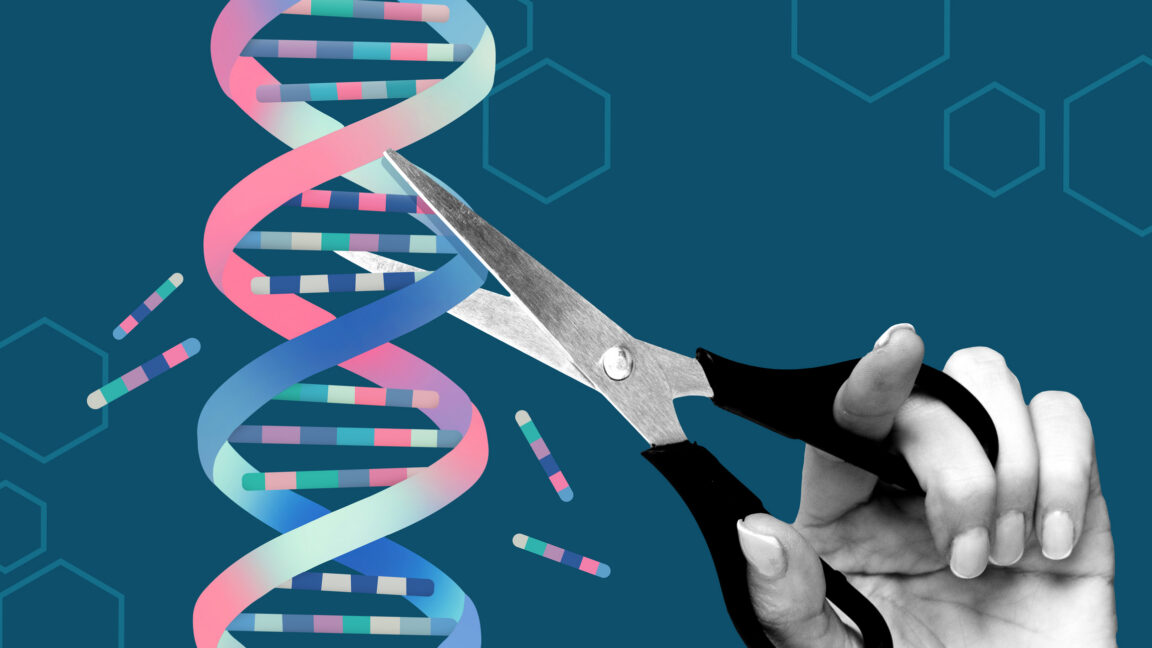
A couple of decades after the discovery of systems that could selectively target DNA, we're starting to see the first therapies based on gene editing. One challenge these developments have faced is safety.
Reported by 1 outlet — Ars Technica. See all sources ↓
A couple of decades after the discovery of systems that could selectively target DNA, we're starting to see the first therapies based on gene editing. One challenge these developments have faced is safety. While we can make them pretty specific to the gene we want edited, the human genome is very large, and even rare DNA sequences can appear a couple of times by chance. As a result, all the original gene-editing systems had known rates of what are called off-target effects, in which they simply edit the wrong sequence.
Read the full report at Ars Technica ↗
Why it matters
A world story we're tracking; its significance and source trust firm up as more outlets confirm it.
- What's the story?
- A couple of decades after the discovery of systems that could selectively target DNA, we're starting to see the first therapies based on gene editing. One challenge these developments have faced is safety.
- How widely is it covered?
- 1 outlet, average source rating 7.0/10.
- When was it last updated?
- 6m ago.
How outlets are framing the same story
Here's how each outlet is covering the story — compare their headlines and timing at a glance.
- Coverage card1 outlet1CoverageScouting report
Team uses AlphaFold AI to redesign gene-editing proteins to make them safer
Sources1TypeCoverageArs Technica