
The bench's AI balancing act
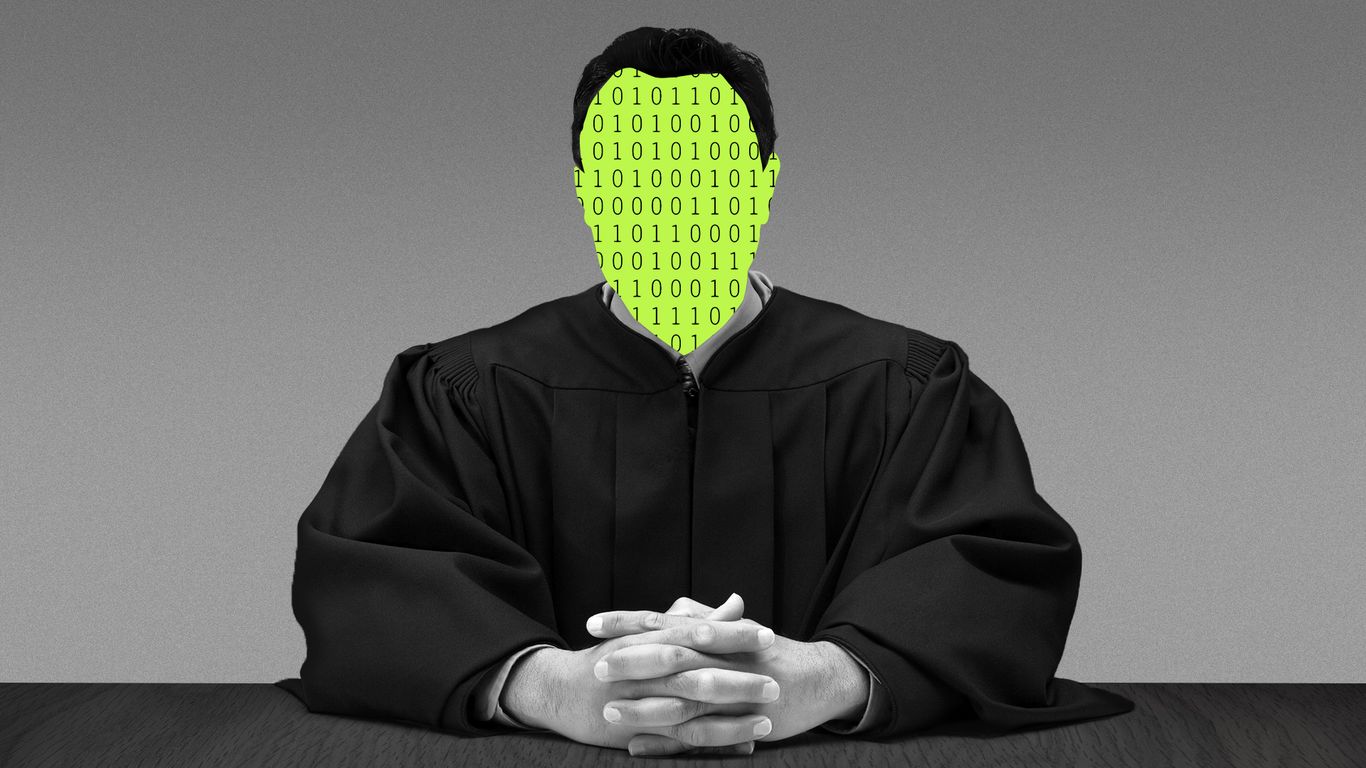
Judges are becoming AI firewalls, setting guidelines for lawyers and litigants entering their courtrooms and reprimanding those who fail to vet their research or cite fake AI-generated cases.But judges are also navigating how to use the tech themselves.Why it matters: As attorney sanctions mount for irresponsible AI use, judges' chambers are at the center of the push and pull between innovation and caution. Some early adopters see AI use as a catalyst for justice — while other jurists remain staunchly skeptical."AI has the possibility to be an incredible value adder and force maximizer in the federal judiciary," says Amy Cyphert, a West Virginia University College of Law professor.
Reported by 1 outlet — Axios. See all sources ↓
Judges are becoming AI firewalls, setting guidelines for lawyers and litigants entering their courtrooms and reprimanding those who fail to vet their research or cite fake AI-generated cases.But judges are also navigating how to use the tech themselves.Why it matters: As attorney sanctions mount for irresponsible AI use, judges' chambers are at the center of the push and pull between innovation and caution. Some early adopters see AI use as a catalyst for justice — while other jurists remain staunchly skeptical."AI has the possibility to be an incredible value adder and force maximizer in the federal judiciary," says Amy Cyphert, a West Virginia University College of Law professor. "But it also has the potential to undermine public confidence in the judiciary at a time where it's already at a historic low." By the numbers: 60% of 112 judges surveyed by Northwestern researchers reported using at least one AI tool. Just over 22% used AI tools weekly or daily.Cyphert's own research found judges worry about not only the risks of AI hallucinations but also the privacy and confidentiality implications.Yes, but: AI adoption is outpacing training, the judges reported in the survey.
Read the full report at Axios ↗
Why it matters
A world story we're tracking; its significance and source trust firm up as more outlets confirm it.
- What's the story?
- Judges are becoming AI firewalls, setting guidelines for lawyers and litigants entering their courtrooms and reprimanding those who fail to vet their research or cite fake AI-generated cases.But judges are also navigating how to use the tech themselves.Why it matters: As attorney sanctions mount for irresponsible AI use, judges' chambers are at the center of the push and pull between innovation and caution. Some early adopters see AI use as a catalyst for justice — while other jurists remain staunchly skeptical."AI has the possibility to be an incredible value adder and force maximizer in the federal judiciary," says Amy Cyphert, a West Virginia University College of Law professor.
- How widely is it covered?
- 1 outlet, average source rating 7.0/10.
- When was it last updated?
- 10m ago.
How outlets are framing the same story
Here's how each outlet is covering the story — compare their headlines and timing at a glance.
- Coverage card1 outlet1CoverageScouting report
The bench's AI balancing act
Sources1TypeCoverageAxios