
The Strait of Hormuz isn’t fertilizer’s first starring role — an 1856 law still defines U.S. overseas territory
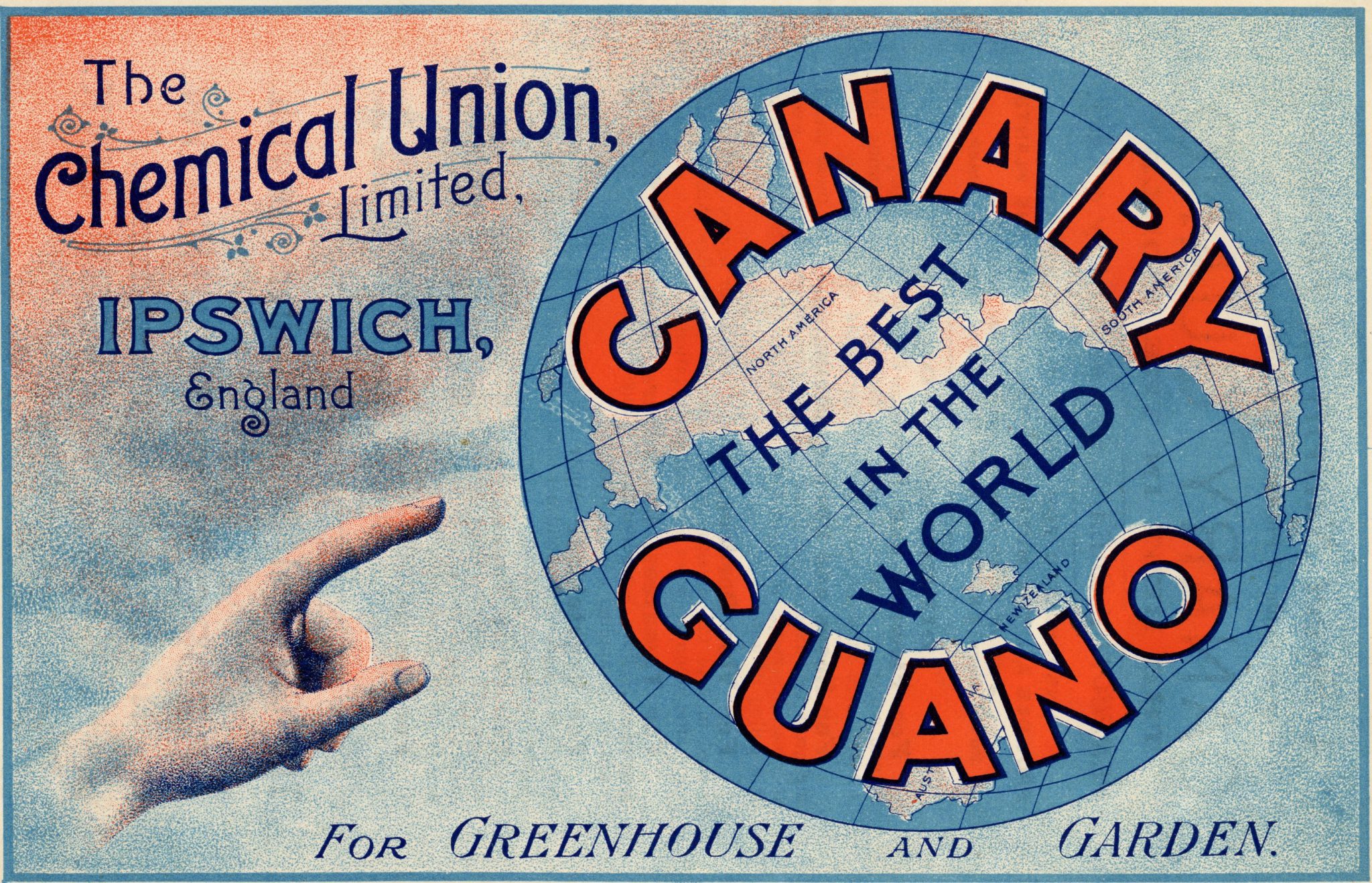
The closure of the Strait of Hormuz, through which roughly one-third of the world’s fertilizer normally passes, has made clear that access to nutrients for crops remains as strategically important in the 21st century as access to oil. As an environmental historian, I study how fertilizer transformed the modern world.
Reported by 1 outlet — Fortune. See all sources ↓
The closure of the Strait of Hormuz, through which roughly one-third of the world’s fertilizer normally passes, has made clear that access to nutrients for crops remains as strategically important in the 21st century as access to oil. As an environmental historian, I study how fertilizer transformed the modern world. That history is about more than scientific innovation or agricultural progress. It also reveals the hidden costs of modern food production, including the brutal treatment of workers and the expansion of imperial power.
Read the full report at Fortune ↗
Why it matters
A world story we're tracking; its significance and source trust firm up as more outlets confirm it.
- What's the story?
- The closure of the Strait of Hormuz, through which roughly one-third of the world’s fertilizer normally passes, has made clear that access to nutrients for crops remains as strategically important in the 21st century as access to oil. As an environmental historian, I study how fertilizer transformed the modern world.
- How widely is it covered?
- 1 outlet, average source rating 6.0/10.
- When was it last updated?
- 1m ago.
How outlets are framing the same story
Here's how each outlet is covering the story — compare their headlines and timing at a glance.
- Coverage card1 outlet1CoverageScouting report
The Strait of Hormuz isn’t fertilizer’s first starring role — an 1856 law still defines U.S. overseas territory
Sources1TypeCoverageFortune