
Trump embraces Australian retirement system backed by Larry Fink
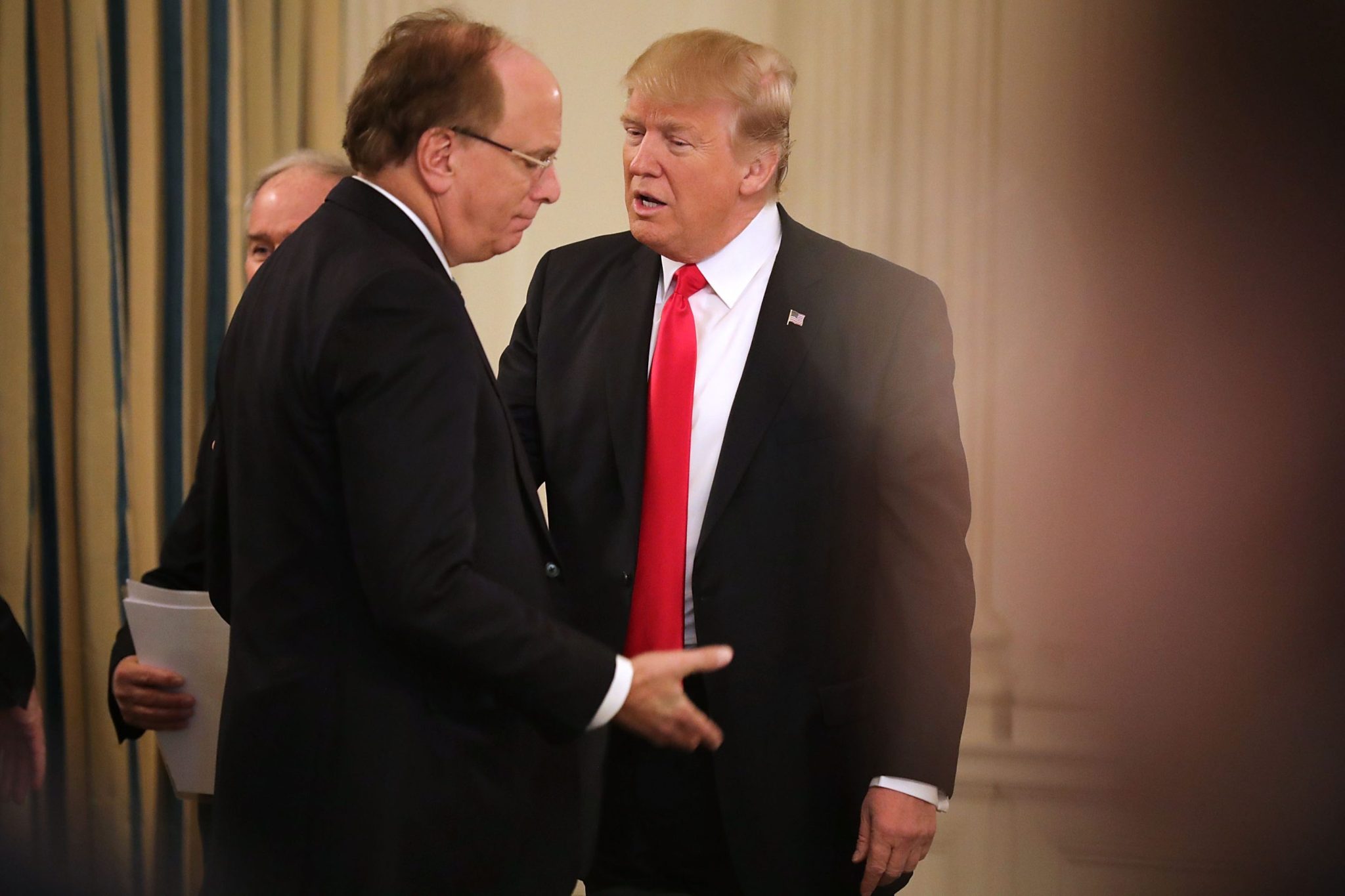
The world’s most-envied retirement plan has another high-profile booster: President Donald Trump. Riding high off public enthusiasm for the Trump Accounts for children, Trump last week renewed his focus on their parents and grandparents. And he said he’s looking to Australia’s private pensions, known as superannuation funds, for inspiration to reform the ailing US retirement system. The president has repeatedly praised the country’s employer-funded, privately run system in recent months. But last week, he said he ordered Treasury Secretary Scott Bessent and Commerce Secretary Howard Lutnick to study the model as part of their discussions with Congress about how to expand the US retirement system. “They have a plan in Australia, which people really like. It’s really worked out very well,” Trump said on July 6, when he also met with BlackRock Inc. Chief Executive Officer Larry Fink, a vocal champion of Australia’s model for several years. “We’re going to be talking about that with Congress and see if we can implement it.” Asset managers and retirement policy experts alike often look with envy on Australia’s rapidly growing $3.1 trillion retirement system. In the early 1990s, that country passed legislation that required employers to supplement workers’ wages with contributions to privately managed pensions. The contribution rate has gradually risen to 12% of employee salaries, including for part-time workers. In total, the system is on pace to be the world’s second-largest retirement plan within the next decade. Meanwhile, the US is facing its own retirement crisis. The Social Security trust fund is projected to be depleted in 2032, which would require significant cuts to promised benefits. Outside of government benefits, most workers are woefully undersaved: Among the 5 million people in 401(k)-type plans administered by Vanguard, the median balance was just $44,115 last year. That’s not even accounting for the roughly 40% of private-sector workers who don’t have access to that kind of plan. Read more: Social Security Will Start Running Out Earlier Than Expected Fink wrote at length about the problems in the US in a 2024 letter to investors, at the same time highlighting Australia’s success. He’s often praised the plan and urged US lawmakers to do more. Against that backdrop, it’s easy to see the political appeal of a model that mandates high contributions, expands coverage even to part-time workers, and shifts the responsibility for funding and managing the plans into the private sector. Texas Senator Ted Cruz, who has been a vocal critic of the US Social Security system, applauded Trump’s comments in a July 8 post on X on July 8, calling them “exactly right.” “I’m authoring legislation to ensure every American — from bartenders to gig workers — has the opportunity to build wealth, own a piece of the American Dream, and share in our nation’s prosperity,” Cruz said. Retirement experts caution that Australia’s system is no easy fix for the US. Even if the government wants to replace Social Security, it still has to figure out how to handle the benefits it’s already promised — which it currently funds predominantly through payroll taxes. Some officials have floated the idea of creating a “sovereign wealth fund” that could be deployed to fund any Social Security shortfall, but that’s not without its own “important implications for the economy,” said Gopi Shah Goda, director of the Retirement Security Project at the Brookings Institution. And any compulsory employer contributions are likely to spark significant outrage from businesses. In Australia, corporations have argued that they divert money that would otherwise go to raises. (Researchers and economists are divided.) Read more: Even Larry Fink’s Favorite Pension Plan Has Retirees Worried “My view is that our system is better designed,” said Alicia Munnell, a senior adviser at the Center for Retirement Research at Boston College. She pointed to the combination of privately managed 401(k)-type investment plans and the guarantee provided by inflation-adjusted Social Security payments, and noted that, just like in the US, Australians are struggling to turn their investments into income streams that last as long as they do. “We know what to do,” she said. “Fix Social Security and increase the percentage of workers who are enrolled in workplace retirement plans.” While Trump does like Australia’s model, it’s premature to say whatever is eventually developed would mirror that specific approach, a White House official said. Trump nodded to that in his most recent comments, saying that his administration would be “taking that, and we’re going to be maybe making it a little bit sharper, a little bit better.” This story was originally featured on Fortune.com