
What happens when you put AI to work deciphering lost languages?
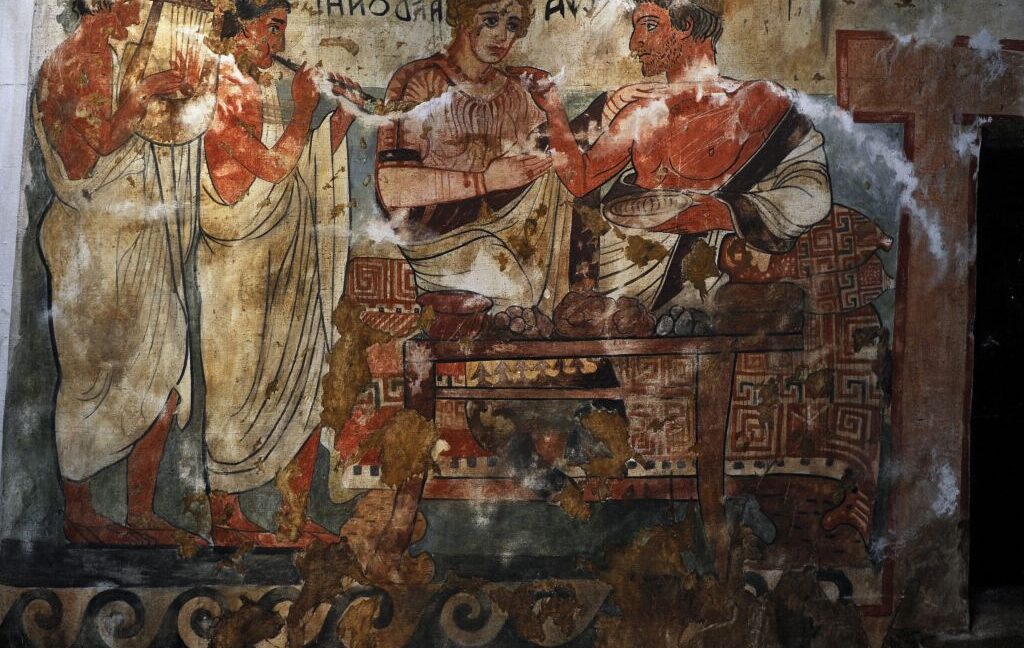
Researchers used AI to decipher the lost languages of Linear A and Etruscan, which have no confirmed links to known languages.
Reported by 1 outlet — Ars Technica. See all sources ↓
Researchers used artificial intelligence (AI) to help understand two lost languages. Linear A was used by the Minoan civilization on the Greek island of Crete. Etruscan was spoken in Italy before the Roman Empire. AI helped researchers understand these languages, which were difficult to decipher.
Why it matters
Understanding lost languages can help us learn more about ancient cultures and civilizations.
- What are Linear A and Etruscan?
- Linear A and Etruscan are lost languages that were spoken in ancient times.
- Why are they difficult to decipher?
- They have no confirmed links to known languages, making it hard for researchers to understand them.
- What is AI's role in deciphering lost languages?
- AI helps researchers by analyzing and comparing texts to find patterns and connections.
How outlets are framing the same story
These are the main editorial angles found across reporting. Use them to quickly compare what different outlets emphasize, omit, or question.
The outlets focus on the challenge of deciphering lost languages and the role of AI in solving this problem. They highlight the significance of understanding these languages for learning about ancient cultures.
- Coverage cardFraming signal1AngleScouting report
The difficulty of deciphering lost languages
Sources1TypeAngleArs TechnicaHighlights the challenge of deciphering Linear A and Etruscan
- Coverage cardFraming signal2AngleScouting report
The role of AI in deciphering lost languages
Sources1TypeAngle