
What public health professionals can learn from anti-vaccine storytelling
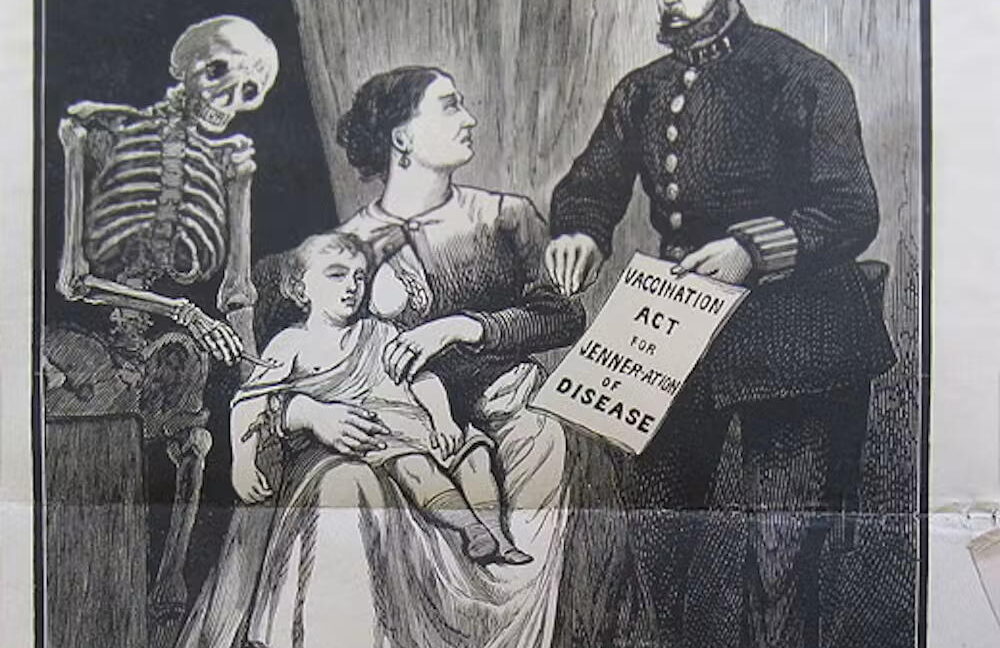
As long as there have been vaccines, there have been people who doubted their science and safety. Back in 19th-century England, people rioted against a mandatory smallpox vaccine, claiming that it violated civil rights and was an affront to human bodily integrity.
Reported by 1 outlet — Ars Technica. See all sources ↓
As long as there have been vaccines, there have been people who doubted their science and safety. Back in 19th-century England, people rioted against a mandatory smallpox vaccine, claiming that it violated civil rights and was an affront to human bodily integrity. In the United States, organizations dedicated to resisting vaccines have existed since the Anti-Compulsory Vaccination League of Brooklyn was established in 1894. Researchers generally refer to people who do not follow the standard advice of health professionals about vaccines, by either refusing or delaying some or all vaccines, as vaccine hesitant.
Read the full report at Ars Technica ↗
Why it matters
A world story we're tracking; its significance and source trust firm up as more outlets confirm it.
- What's the story?
- As long as there have been vaccines, there have been people who doubted their science and safety. Back in 19th-century England, people rioted against a mandatory smallpox vaccine, claiming that it violated civil rights and was an affront to human bodily integrity.
- How widely is it covered?
- 1 outlet, average source rating 7.0/10.
- When was it last updated?
- 2m ago.
How outlets are framing the same story
Here's how each outlet is covering the story — compare their headlines and timing at a glance.
- Coverage card1 outlet1CoverageScouting report
What public health professionals can learn from anti-vaccine storytelling
Sources1TypeCoverageArs Technica