Who / What
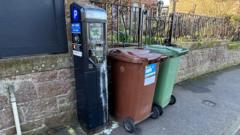
A parking meter is a device used to collect money in exchange for the right to park a vehicle in a particular place for a limited amount of time. It serves as a mechanism for municipalities to manage on-street parking and generate revenue. Parking meters are a common feature of urban environments worldwide.
Background & History
The history of parking meters dates back to the late 19th century, with early versions appearing in Europe and the United States. They gained popularity as cities sought to regulate growing automobile traffic and manage limited street space. Initially, these meters often required manual operation and coin insertion. Over time, mechanical designs evolved to incorporate more sophisticated payment systems, leading to the electronic parking meters we see today.
Why Notable
Parking meters are a significant tool for urban planning and revenue generation. They allow municipalities to enforce parking regulations, manage traffic flow, and encourage turnover of parking spaces. By charging for parking, cities can generate income to fund infrastructure maintenance and other public services. The widespread use of parking meters has profoundly shaped the landscape of cities globally.
In the News
Parking meters remain relevant in modern urban planning as cities grapple with increasing congestion and the demand for parking. Recent developments include the integration of mobile payment options and smart technologies to improve efficiency and convenience. Debates continue regarding the optimal pricing strategies for parking meters, aiming to balance revenue generation with accessibility and affordability.