Who / What
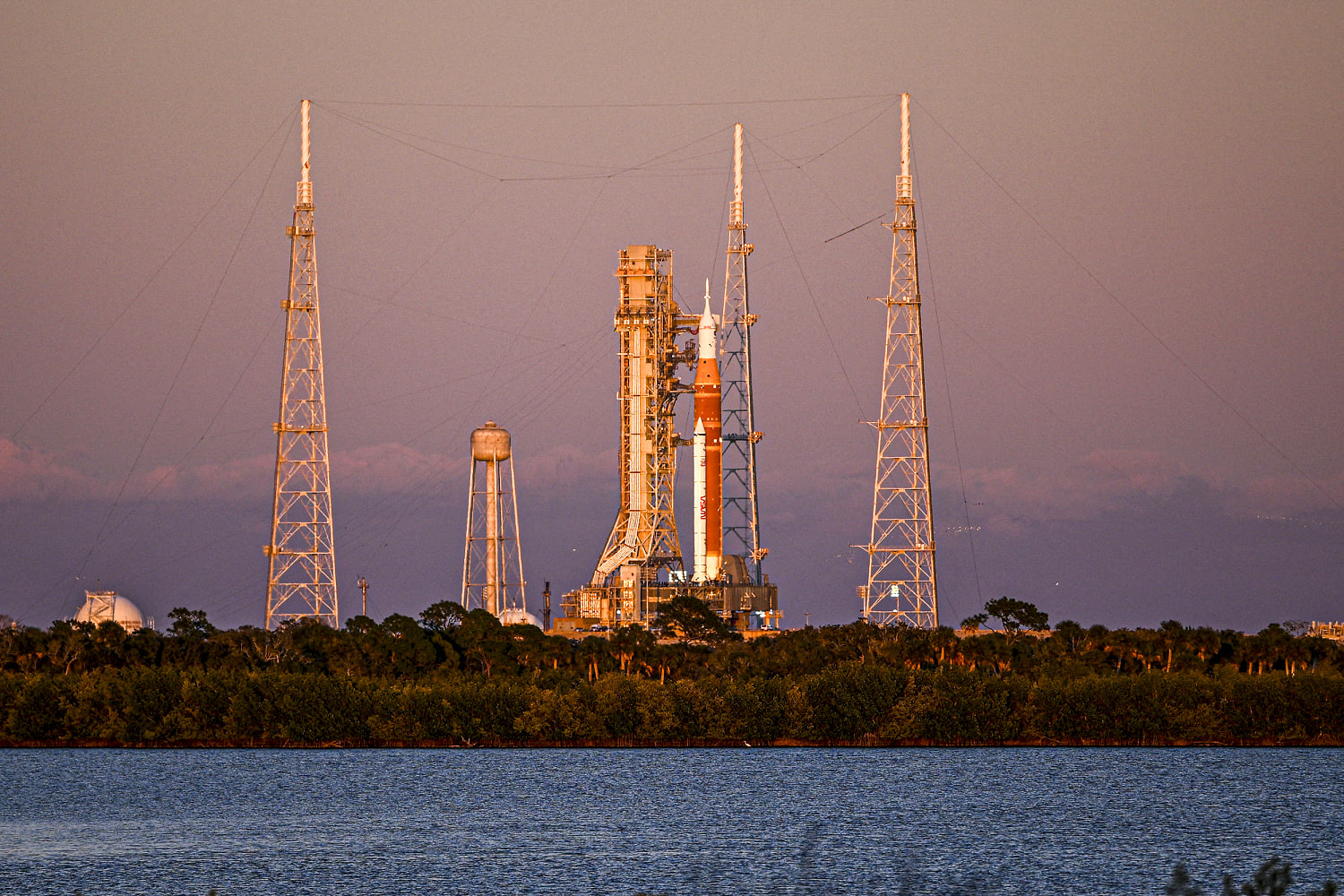
The Space Launch System (SLS) is a NASA super‑heavy‑lift, expendable launch vehicle designed to carry crewed and uncrewed payloads, most notably the Orion spacecraft, on missions beyond Earth orbit.
Background & History
SLS was conceived in 2011 as a successor to the retiring Space Shuttle and the canceled Ares I and Ares V programs, forming the core of NASA’s Artemis Moon landing strategy. It first reached orbit on 16 November 2022 during the uncrewed Artemis I test flight, marking the vehicle’s inaugural launch.
Why Notable
SLS provides the only available super‑heavy launch capability in the United States for deep‑space missions, enabling crewed landings on the Moon and future missions to Mars and beyond. Its development reflects a renewed focus on human space exploration and sets a precedent for high‑performance launch systems.
In the News
Following its successful Artemis I launch, SLS continues to undergo rigorous testing and refinements ahead of crewed Artemis missions. The vehicle’s continued evolution keeps it at the forefront of aerospace innovation and national space ambitions.