Who / What
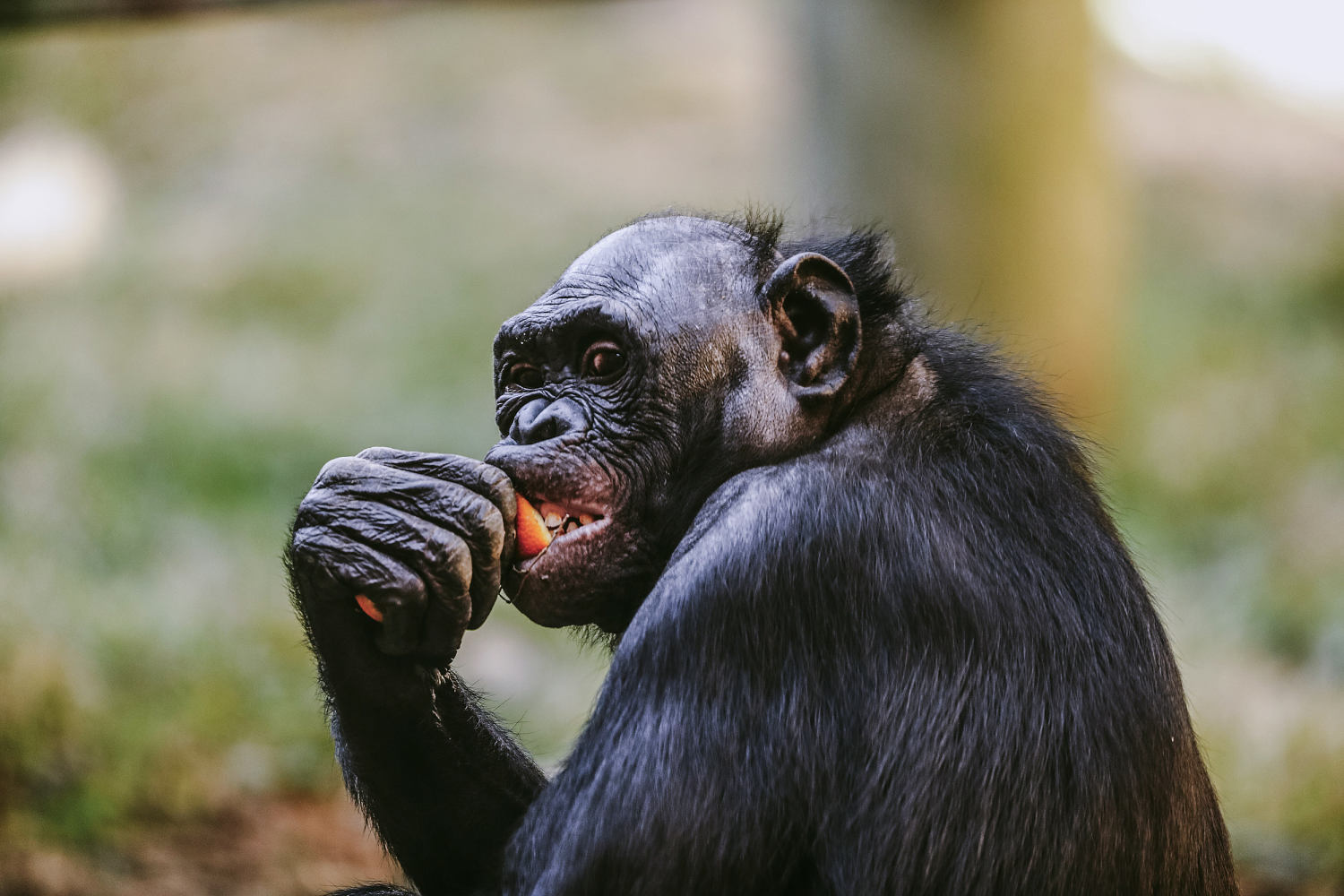
The bonobo (Pan paniscus) is an endangered great ape and a distinct species within the genus *Pan*, alongside the common chimpanzee. Historically referred to as the pygmy chimpanzee, it shares physical similarities with chimpanzees but is now recognized as a separate species. Bonobos are part of the Panina subtribe, which includes all members of the genus *Pan*.
Background & History
The bonobo's historical classification was complex; initially considered a subspecies of the common chimpanzee due to physical resemblances. Scientific understanding evolved to recognize bonobos as a distinct species with unique behavioral characteristics. Their habitat is limited to the Democratic Republic of the Congo in Central Africa. The discovery and initial study of bonobos contributed significantly to primatology and our understanding of ape evolution.
Why Notable
Bonobos are notable for their complex social behavior, which often features peaceful conflict resolution and strong female bonds. Their intelligence and capacity for empathy have made them a subject of intensive scientific research. As an endangered species, conservation efforts are crucial for their survival and maintaining biodiversity in Central Africa.
In the News
Bonobo populations continue to face threats from habitat loss due to deforestation and human encroachment. Conservation initiatives and research programs are ongoing to protect bonobos and address the challenges they face in the wild. Their unique social dynamics remain a key area of scientific interest, driving continued research efforts.