# Breonna Taylor
---
Who / What
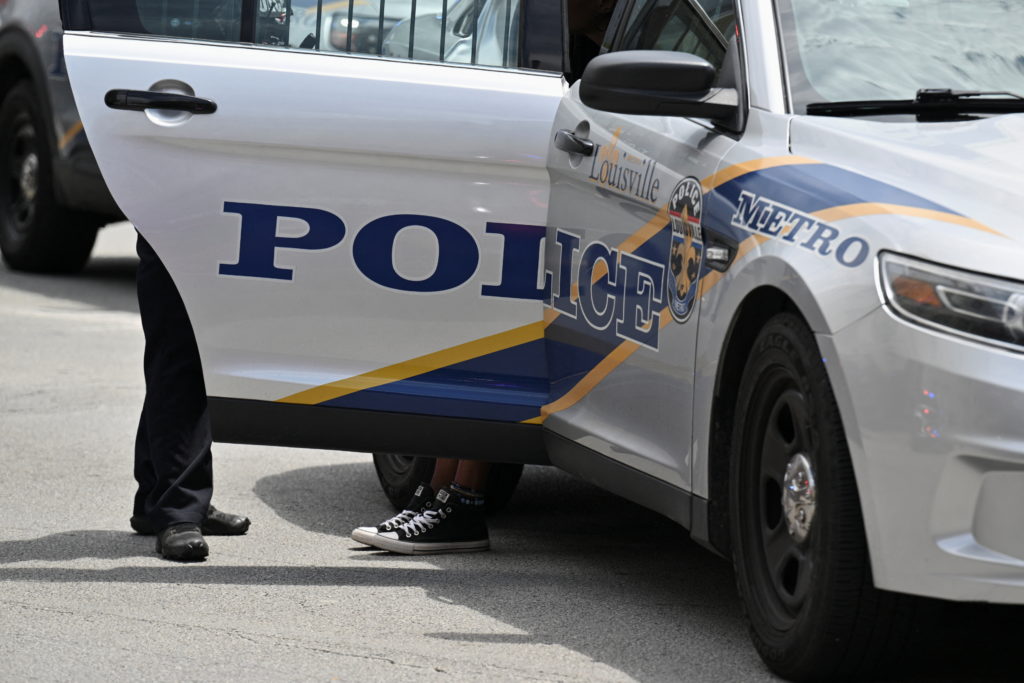
Breonna Taylor was an African-American medical professional and emergency room technician who was fatally shot by police officers in her home during a 2020 incident. Her death sparked widespread protests, advocacy for police reform, and national discussions on racial injustice and systemic violence against Black communities.
---
Background & History
Born on **June 5, 1993**, in Louisville, Kentucky, Taylor grew up in a close-knit family. She earned her nursing degree from the University of Louisville and worked as an emergency room technician at **St. Elizabeth Healthcare** before her tragic death. Her career was marked by dedication to healthcare, particularly in underserved communities.
Taylor’s life took a devastating turn on **March 13, 2020**, when she was killed during a police raid on her home under a no-knock warrant intended for another investigation. The incident became a pivotal moment in the broader movement against police brutality and systemic racism.
---
Why Notable
Taylor’s death remains one of the most high-profile cases in recent years, symbolizing the disproportionate impact of police violence on Black communities. Her case led to widespread protests, including the **George Floyd protests**, which demanded accountability for police misconduct and reforms in law enforcement practices. The incident also highlighted broader issues such as racial bias, inadequate training for officers, and the lack of transparency in police investigations.
Her legacy continues to inspire advocacy groups, activists, and policymakers pushing for systemic change in policing and criminal justice reform.
---
In the News
Since her death, Taylor’s case has remained a focal point in discussions about police accountability. Recent developments include **Attorney General Merrick Garland’s announcement** of federal charges against former LMPD officer Brett Hankison for violating Taylor’s civil rights through excessive force. The trial concluded with Hankison being found guilty in November 2024, marking a rare victory in the pursuit of justice for victims of police misconduct.
Her story remains relevant as part of ongoing movements for racial equity and police reform, particularly amid debates over no-knock warrants and officer training reforms.
---
Key Facts
---