Who / What
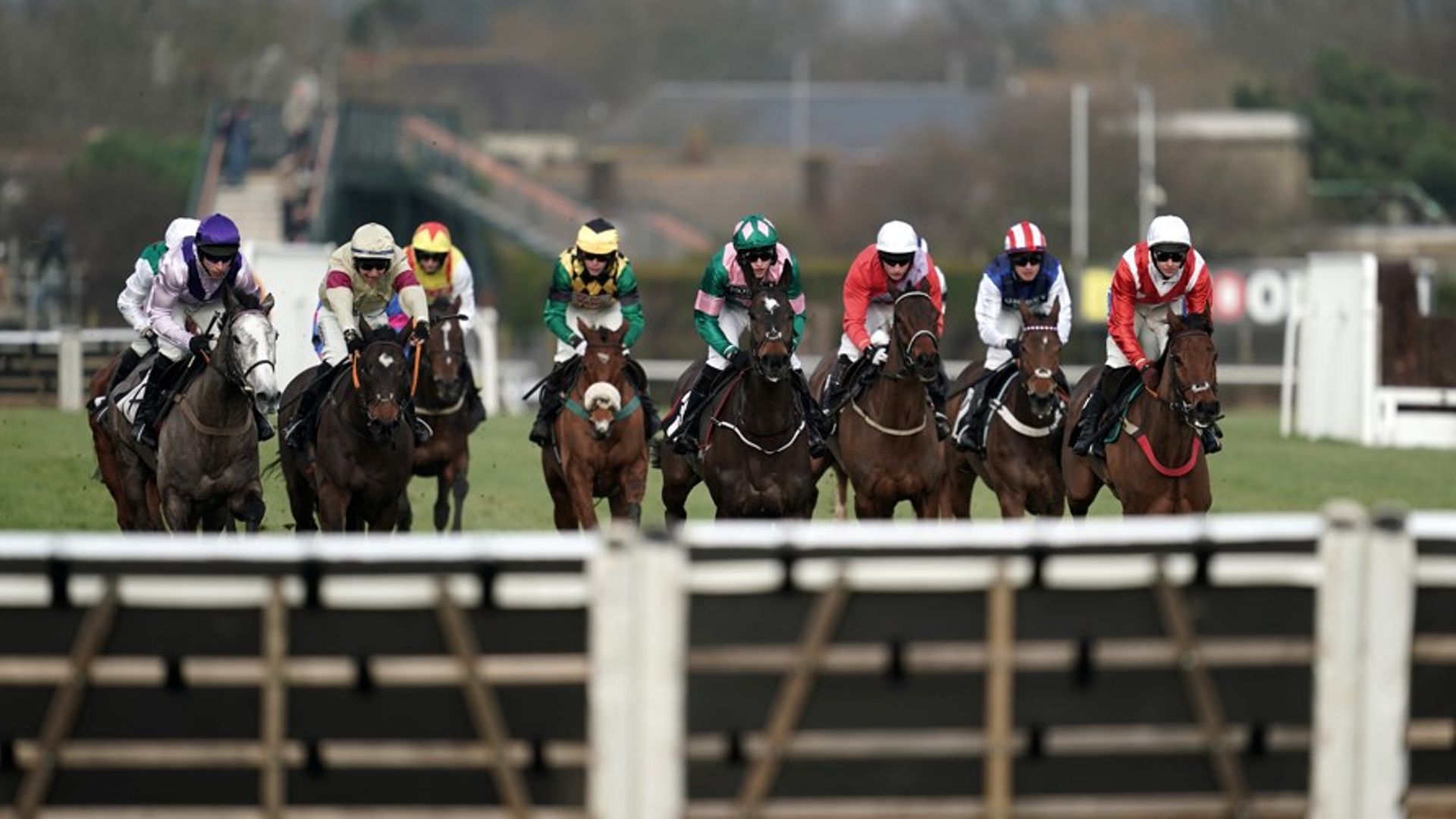
The Cheltenham Festival is a prestigious British horse racing meeting that forms a key part of the National Hunt racing calendar. It is a four-day event held annually in March at Cheltenham Racecourse, featuring championship races that attract top horses, jockeys, and trainers.
Background & History
The festival's origins date back to the early 19th century, with organized racing at Cheltenham beginning around 1815. It evolved into a major National Hunt meeting over the decades, with the festival format being formally established in the early 20th century. A key milestone was the introduction of the Cheltenham Gold Cup in 1924, which became its most famous race, solidifying the event's prestige.
Why Notable
The Cheltenham Festival is notable for having race prize money second only to the Grand National, making it one of the most valuable jump racing events in the UK. It holds immense cultural significance, particularly for Irish racing enthusiasts, as it often coincides with Saint Patrick's Day and features strong Irish participation. The festival crowns champions in categories like the Champion Hurdle and the Gold Cup, making it a crucial determinant of equine and human racing legacies.
In the News
The festival remains highly relevant as an annual sporting and social highlight, drawing global attention to National Hunt racing. Recent developments include adjustments to race schedules and safety protocols, reflecting ongoing priorities within the sport. Its economic impact on the local area and continued high attendance underscore its current importance.