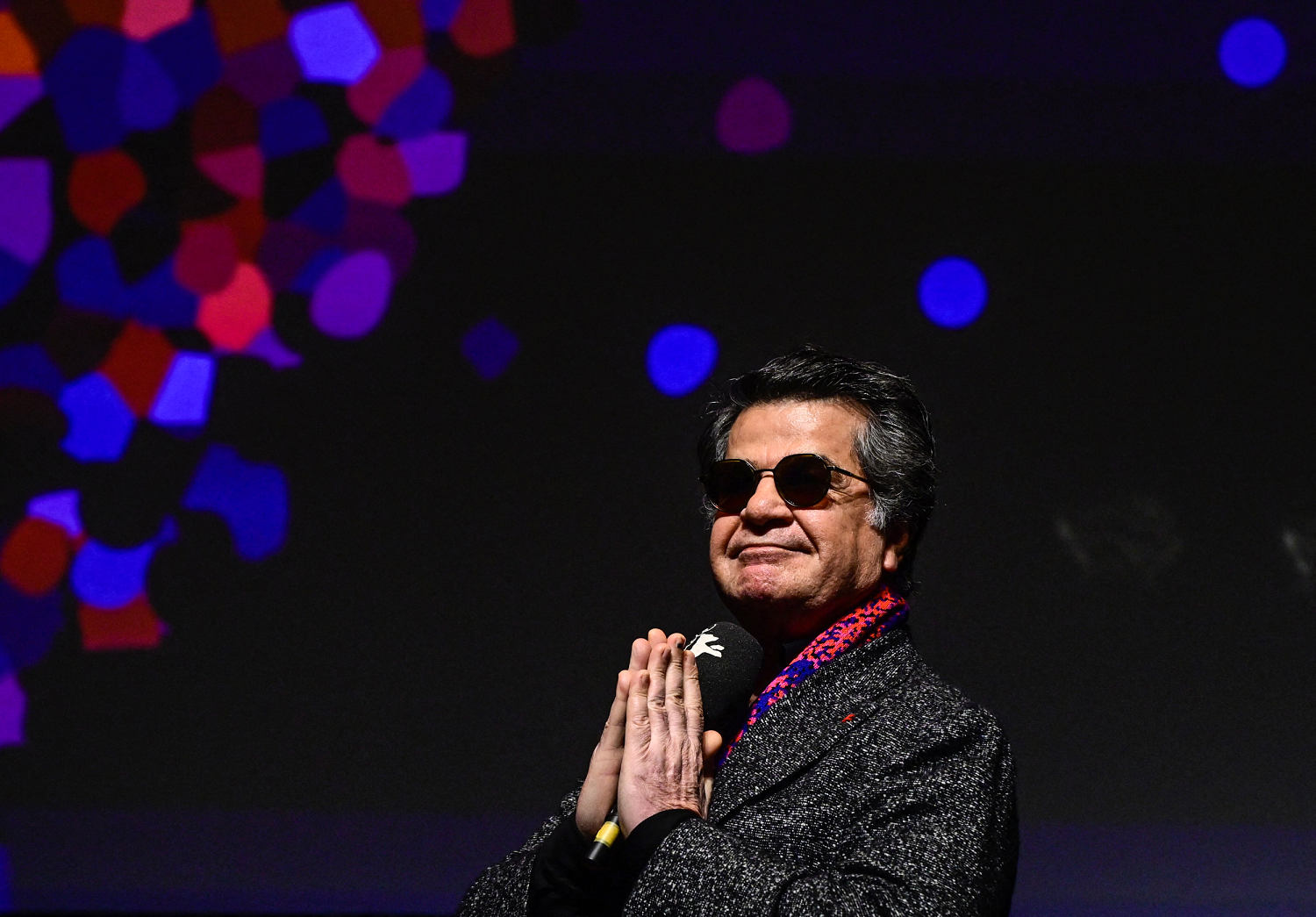
Who / What
Jafar Panahi is an Iranian filmmaker and actor born on 11 July 1960.
He is internationally recognized for his artistically significant contributions to post‑1979 Revolution Iranian cinema and is closely associated with the Iranian New Wave.
Panahi’s work, rooted in neorealism, focuses on women, children, and marginalized people, offering a powerful critique of Iran’s social, political, and gender structures.
Background & History
Panahi was born on 11 July 1960 and later emerged as a prominent filmmaker in the era following the 1979 Iranian Revolution.
His career developed alongside the rise of the Iranian New Wave, where he adopted a neorealist style that reflected the realities of contemporary Iran.
Through decades of independent filmmaking, Panahi has become a symbol of artistic resistance within Iranian cinema, garnering international acclaim for his socially engaged narratives.
Why Notable
Panahi earned international acclaim by challenging the boundaries of Iranian cinema, using his films to spotlight the experiences of women, children, and marginalized groups.
His body of work provides a critical portrait of Iran’s social, political, and gender structures, making him a central figure in the Iranian New Wave.
The filmmaker’s steadfast commitment to authentic storytelling has earned him prestigious awards and recognition worldwide.
Panahi’s influence endures as a benchmark for artistic freedom and political commentary in Iranian filmmaking.
In the News
The international film community continues to celebrate Panahi’s work, reflecting ongoing conversations about artistic freedom in Iran.
Recent retrospectives and film festivals showcase his influence on new generations of filmmakers.
His legacy remains relevant amid renewed attention to censorship and political dissent within Iranian cinema.