# Japanese Art
Who / What
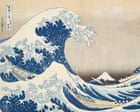
Japanese art encompasses a diverse array of artistic expressions spanning pottery, sculpture, ink painting, calligraphy, woodblock prints (such as ukiyo-e), ceramics, origami, bonsai, manga, and anime. It reflects Japan’s rich cultural heritage, evolving alongside its history from ancient times to the present.
Background & History
Japanese art traces back to the earliest human settlements in Japan, estimated around the 10th millennium BCE. Over millennia, it developed independently before engaging with foreign influences during periods of contact, such as through trade and diplomacy. Key historical phases include the Nara (710–794 CE) and Heian (794–1185 CE) periods, when classical Chinese styles influenced early Japanese aesthetics, alongside indigenous traditions. Later, isolationist policies like the *sakoku* era (1635–1853) preserved much of Japan’s artistic identity before renewed global engagement in the Meiji period (1868–1912).
Why Notable
Japanese art is celebrated for its harmonious balance between tradition and innovation, blending spiritual depth with aesthetic beauty. It has profoundly shaped global culture, influencing Western art movements like Impressionism through prints and motifs. From delicate tea ceremony aesthetics to the bold storytelling of manga, Japanese art remains a vital cultural export, reflecting both historical continuity and contemporary creativity.
In the News
Japanese art continues to thrive as a dynamic force in global media, with anime and manga dominating pop culture worldwide. Recent developments include collaborations between traditional artisans and modern designers, revitalizing craftsmanship while expanding its reach through digital platforms. Its enduring appeal lies in its ability to adapt—whether through classical themes or futuristic narratives—making it relevant across generations.